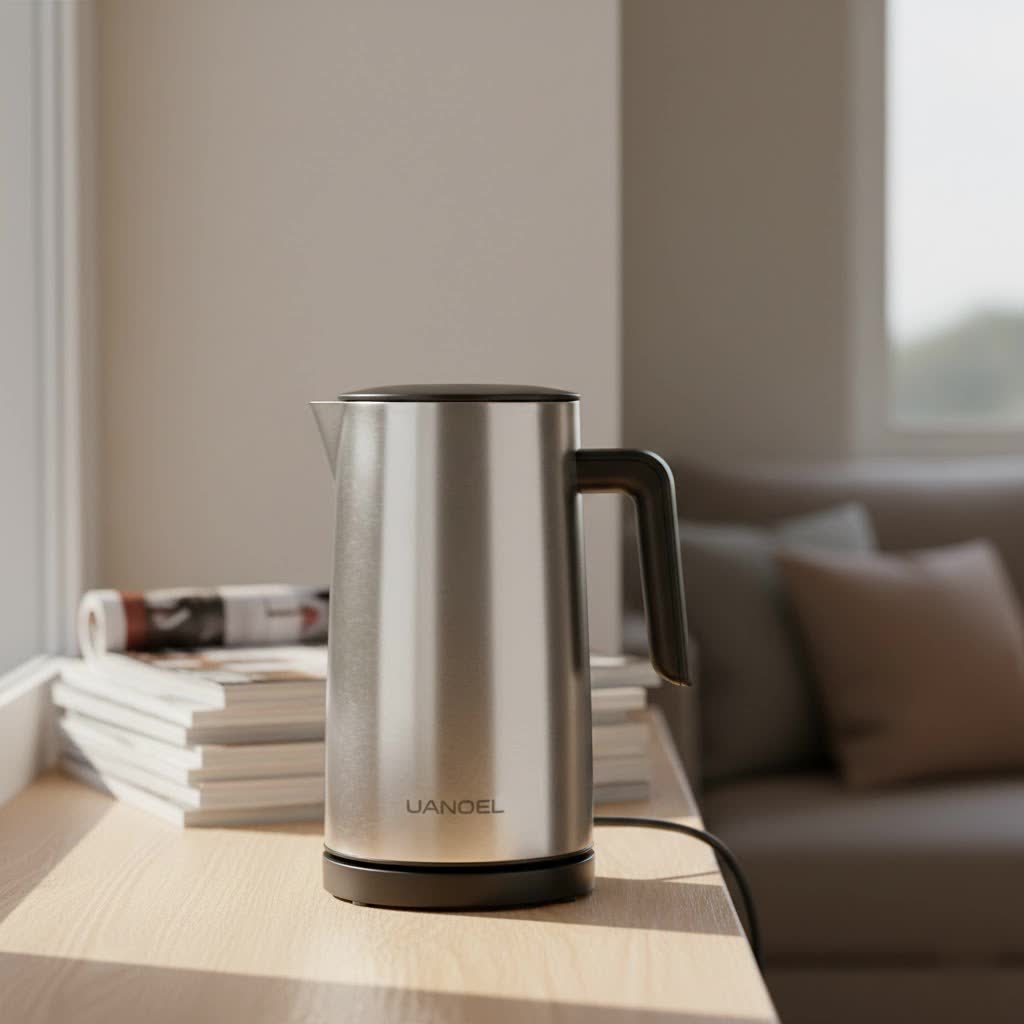
Imagine starting your day with a perfectly frothed cappuccino or winding down with a creamy hot chocolate, all crafted in the comfort of your home. This dream is entirely achievable with the right milk frother, and among the myriad options available, the Stainless Steel Milk Frother stands out as a top contender for its durability, hygiene, and elegant design. Whether you’re a seasoned barista or a coffee enthusiast just beginning your journey, understanding these versatile tools is key to elevating your beverage experience.
What is a Milk Frother and Why Do You Need One?
A milk frother is a kitchen tool designed to aerate milk, transforming it into a light, creamy foam by introducing tiny air bubbles. This process enhances the texture and visual appeal of various beverages, blending smoothly with espresso, coffee, tea, or even hot chocolate.
Using a milk frother at home offers several compelling benefits. Firstly, it’s a significant cost-saver. Daily trips to a coffee shop for specialty drinks can quickly add up, but with a frother, you can recreate your favorites—from lattes and cappuccinos to macchiatos—for a fraction of the price. Secondly, it provides incredible convenience, allowing you to whip up cafe-quality drinks whenever the craving strikes, without leaving your kitchen. Lastly, it fosters creativity, opening up a world of possibilities for experimenting with different milk types, temperatures, and drink recipes.
The most popular drinks utilizing frothed milk include:
- Cappuccino: Equal parts espresso, steamed milk, and rich milk foam.
- Latte: Espresso with a larger proportion of steamed milk, topped with a thin layer of microfoam.
- Macchiato: Espresso “stained” with a dollop of milk foam.
- Flat White: Espresso with velvety steamed milk, less foam than a latte.
- Hot Chocolate: Elevated with a swirl of airy, frothed milk.
- Matcha Latte: Green tea powder mixed with frothed milk for a smooth, creamy texture.
Types of Milk Frothers on the Market
The world of milk frothers is diverse, offering options to suit every preference and budget. They generally fall into three main categories: handheld, electric, and steam frothers.
Handheld Frothers (Wands)
These are typically battery-operated wands with a small whisk at the end. They are the most compact and affordable option, perfect for occasional use or for those with limited counter space.
- Advantages:
- Portability: Easy to store in a drawer or take on the go.
- Affordability: Generally the least expensive type.
- Ease of Use: Simple on/off operation.
- Quick Results: Can froth milk in seconds.
- Disadvantages:
- No Heating Function: Milk usually needs to be heated separately.
- Foam Quality: May produce larger bubbles compared to electric or steam frothers.
- Manual Effort: Requires you to hold and move the wand.
- How to Use: Heat milk to the ideal temperature (130-150°F), pour into a tall, narrow container, submerge the whisk just below the surface, and turn it on, moving gently up and down until desired foam is achieved.
|
Our Picks for the Best Milk Frother in 2026
We may earn a commission when you use one of our links to make a purchase.
|
||
| Num | Product | Action |
|---|---|---|
| 1 | Nespresso Aeroccino 3 Milk Frother, Black, Steel |

|
| 2 | Maestri House Rechargeable Milk Frother with Stand, LunaFro Handheld Electric Foam Maker Waterproof Detachable Stainless Steel Whisk Drink Mixer Foamer for Lattes, Cappuccino |
|
| 3 | Milk Frother, 4-in-1 Milk Frother and Steamer, 10.6oz Electric Milk Steamer, Automatic Cold and Hot Foam maker for Lattes, Cappuccinos, Ceramic Lining Interior (Polished) |
|
| 4 | Keurig SimpleCafe Frother, Rechargeable Handheld Milk Frother for Lattes, Cappuccinos & Iced Coffee, USB Cord Included, Microwave-Safe Frothing Cup, Hot & Cold Foam Maker |
|
| 5 | Zulay Kitchen Milk Frother Handheld Electric Whisk with AA Duracell Batteries – Durable Drink Mixer for Coffee, Lattes, Cappuccinos & More - Black |
|
| 6 | Nespresso Aeroccino 4 Milk Frother |
|
| 7 | Milk Frother Automatic, Electric Milk Frother and Steamer Removable Dishwasher Safe, Electromagnetic Heating, for Latte, Cappuccino, Chocolate Milk, Hot & Cold Foam, |
|
| 8 | Milk Frother, 4-in-1 Electric Milk Steamer, 350ml/11.8oz Automatic Frother Machine for Coffee, Warm and Cold Foam, Temperature Control for Latte, Cappuccino, Hot Chocolate |
|
| 9 | Zulay Powerful Milk Frother for Coffee with Upgraded Titanium Motor - Handheld Electric Whisk, Milk Foamer, Mini Mixer & Coffee Blender for Frappe, Latte, Matcha, No Stand - Silver |
|
| 10 | Zulay Kitchen Powerful Milk Frother Wand With 2 Duracell Batteries - Ultra Fast Handheld Drink Mixer - Electric Whisk Foam Maker for Coffee, Lattes, Cappuccino, Matcha, Hot Chocolate & Creamer - Black |
|
Electric Frothers
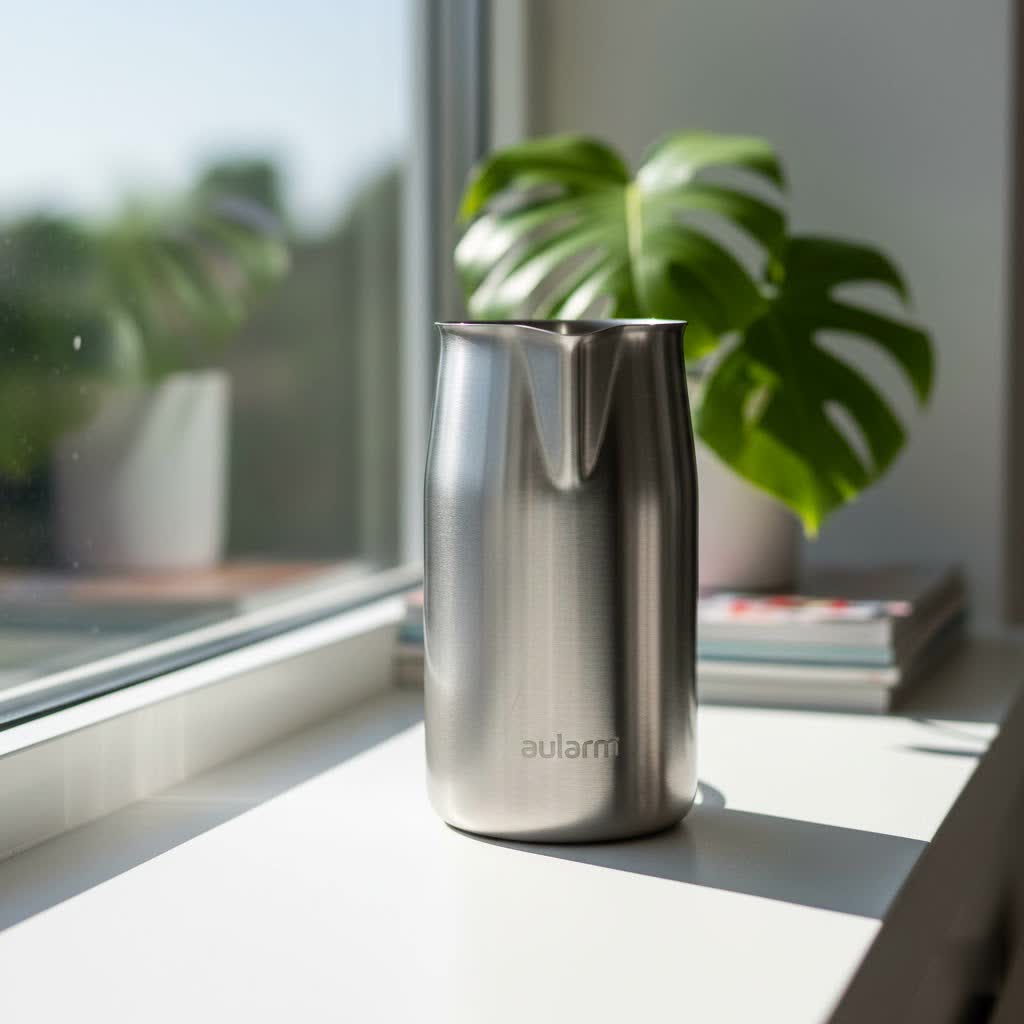
Electric frothers are countertop appliances that often resemble small kettles. They are designed to both heat and froth milk automatically, making them incredibly convenient. Many models feature stainless steel pitchers, which are prized for their durability and ease of cleaning.
- Advantages:
- Automatic Operation: Hands-free frothing and heating.
- Consistent Foam: Produces high-quality, dense foam and microfoam.
- Temperature Control: Many models allow for adjustable temperature settings for hot or cold foam.
- Capacity: Can froth larger quantities of milk.
- Disadvantages:
- Higher Cost: Generally more expensive than handheld models.
- Counter Space: Requires dedicated space on your countertop.
- Cleaning: While stainless steel pitchers are often removable and sometimes dishwasher safe, some integrated units can be trickier to clean.
- Types:
- Automatic: One-touch operation for specific settings (e.g., hot foam, cold foam).
- Semi-Automatic: May require some interaction, but largely automated.
Steam Frothers
These are typically integrated steam wands found on espresso machines. They use pressurized steam to heat and aerate milk, creating the most professional-quality microfoam, ideal for latte art. Stainless steel frothing pitchers are commonly used with steam wands, allowing baristas to gauge milk temperature by touch.
- Advantages:
- Superior Foam Quality: Creates dense, velvety microfoam perfect for latte art.
- Fast: Heats and froths milk very quickly.
- Precise Control: Allows for fine-tuning of milk texture (with practice).
- Disadvantages:
- Requires Espresso Machine: Not a standalone device.
- Learning Curve: Mastering the technique takes practice.
- Cleaning: The steam wand itself requires immediate cleaning to prevent milk residue buildup.
Comparison Table of Milk Frother Types
| Feature | Handheld Frother | Electric Frother | Steam Frother |
|---|---|---|---|
| Price | Low | Medium – High | High (part of espresso machine) |
| Convenience | High (portable) | High (automatic) | Medium (requires technique) |
| Foam Quality | Medium | High | Excellent (microfoam) |
| Durability | Medium (whisk can bend) | High (especially stainless steel) | High (part of robust machine) |
| Heating Function | No (manual heat) | Yes | Yes |
| Ease of Cleaning | Very Easy (whisk rinse) | Medium (removable parts often dishwasher safe) | Medium (wand needs purging/wiping) |
Guide to Choosing the Right Stainless Steel Milk Frother
Selecting the perfect stainless steel milk frother involves considering your specific needs, budget, and desired features.
-
Determine Your Usage Needs:
- Frequency: Daily use warrants a more robust, convenient electric model. Occasional use might be fine with a handheld.
- Quantity: Do you make drinks for one or a whole family? Look at the frother’s capacity.
- Drink Types: If latte art is your goal, a steam wand or a high-quality electric frother with excellent microfoam capabilities is essential. For simple foamed milk, any type will do.
- Hot or Cold Foam: Ensure the model supports both if desired.
-
Set Your Budget:
- Handheld frothers are typically under $30.
- Electric models range from $30 to $200+, with premium features increasing the price.
- Steam wands come with espresso machines, which can cost hundreds to thousands.
-
Essential Features to Consider:
- Adjustable Temperature/Froth Settings: Advanced electric frothers offer various settings for light foam, thick foam, cold foam, and stirring/heating milk.
- Ease of Cleaning: Stainless steel is generally easy to clean. Look for models with detachable, dishwasher-safe components, or non-stick interiors.
- Quiet Operation: Some frothers can be noisy; reviews often mention this.
- Capacity: Ensure it meets your serving needs.
- Durability: This is where stainless steel shines. Its corrosion resistance and robust nature make it a long-lasting choice.
- Safety Features: Auto shut-off, cool-touch design, and enclosed heating elements are important, especially with children around.
-
Brand Reputation and User Reviews: Research reputable brands known for kitchen appliances. Look for consistent positive feedback on foam quality, durability, and ease of use. Brands like Nespresso, Breville, Instant Pot, and Rösle often feature stainless steel components in their highly-rated frothers.
Top Stainless Steel Milk Frothers for Every Need
The market boasts several excellent stainless steel milk frothers, each excelling in different areas.
- Nespresso Aeroccino4 Milk Frother: Often praised as a top overall pick, this electric frother delivers excellent quality, runs quietly, and offers multiple settings (light foam, thick foam, cold foam, stir/heat). Its unique stainless steel design is both functional and stylish.
- Breville Milk Cafe Frother: Ideal for larger households or those needing adjustable temperature control. This electric frother has a generous capacity and consistently produces great foam, with some models offering a “latte art” specific impeller for finer microfoam.
- Instant Pot 4-in-1 Milk Frother and Steamer: A great value option, this electric frother provides excellent performance for its price point. It handles both dairy and non-dairy milks well and often has a cool-touch design with easy-to-read markings.
- Rösle Dual Speed Frother: A highly-regarded handheld option. While it doesn’t heat milk, its two speeds effectively create creamy, dense foam in various milk types, including oat milk. Its stainless steel construction ensures durability and a professional feel.
- HIC Fino Milk Frother: For those who appreciate manual control and simplicity, this stainless steel manual frother (French press style) is a good choice. It’s compact, easy to use, and allows you to manually pump air into the milk.
When comparing these, consider foam quality – electric models like the Aeroccino4 or Breville Milk Cafe generally offer more consistent and finer microfoam. Durability is a strong suit for all stainless steel options, though integrated electric units may have longer lifespans than battery-operated handhelds. Noise levels can vary; some electric frothers are remarkably quiet, while others might be louder. Ease of use is typically highest for automatic electric frothers, followed by handhelds, and then steam wands which require more technique.
Tips for Using and Maintaining Your Stainless Steel Milk Frother
Achieving perfect frothed milk and ensuring the longevity of your frother involves proper usage and care.
How to Use Your Milk Frother for Perfect Foam
- Choose the Right Milk: Whole milk generally produces the richest, most stable foam due to its fat content. For plant-based alternatives, “barista blend” oat milk often yields the best results. Skim milk creates lighter, airier foam, while almond milk froths moderately.
- Ideal Milk Temperature: For hot foam, aim for milk between 130°F and 150°F (55-65°C). Too cold, and it won’t froth well; too hot (above 160°F or 70°C), and it can scald, altering the taste and texture. If using a handheld or manual frother, heat your milk separately before frothing.
- Frothing Technique (Handheld/Steam Wand):
- Handheld: Submerge the whisk head just below the surface of the milk in a tall, narrow container. Turn it on and move it gently up and down for 20-30 seconds until the milk doubles in volume and achieves a light, creamy texture.
- Steam Wand: Fill a stainless steel pitcher with cold milk (whole milk often works best). Briefly purge the steam wand to release any water. Position the wand tip just under the milk’s surface, angling the pitcher slightly to create a whirlpool. Froth until the pitcher is too hot to hold comfortably (around 140-150°F).
- Allow Foam to Settle: After frothing, gently tap the pitcher on the counter a few times to pop any large air bubbles. Then, swirl the milk gently to integrate the foam and achieve a smooth, glossy texture before pouring.
Cleaning and Maintenance
Stainless steel milk frothers are generally easy to clean, contributing to their popularity.
- Immediate Rinsing: Always rinse the whisk (for handheld) or the pitcher/wand (for electric/steam) immediately after use to prevent milk residue from drying and hardening.
- Dishwasher Safe Components: Many electric frothers with detachable stainless steel pitchers are dishwasher safe. Always check your specific model’s manual.
- Hand Washing: For non-dishwasher-safe parts or integrated units, use warm soapy water and a soft cloth or sponge. Avoid abrasive scrubbers that could scratch the stainless steel.
- Steam Wand Care: After each use, wipe the steam wand with a damp cloth and purge it briefly to clear any internal milk residue. This prevents blockages and ensures hygienic operation.
- Avoid Submerging Electrical Bases: For electric frothers, never submerge the electrical base in water. Wipe it clean with a damp cloth.
- Descale (if applicable): If your electric frother heats milk, mineral deposits might build up over time. Consult your manual for descaling instructions, typically involving a vinegar or citric acid solution.
Common Frothing Issues and Solutions
- Too Many Large Bubbles: You might be incorporating too much air too quickly or holding the frother too high. Keep the whisk just below the surface initially, then slowly submerge it.
- Milk Not Frothing: Ensure your milk is at the correct temperature (130-150°F) and fresh. Different milk types froth differently; experiment with whole milk or barista-style plant-based milks.
- Foam Deflates Quickly: This can be due to milk type, temperature, or insufficient protein structure. Try whole milk or a higher-protein plant-based option. Letting the foam rest briefly and swirling can help stabilize it.
Conclusion
A stainless steel milk frother is an invaluable addition to any kitchen, offering a blend of durability, aesthetic appeal, and performance that transforms ordinary drinks into extraordinary cafe-style creations. From the quick convenience of a handheld wand to the automated luxury of an electric pitcher or the professional precision of a steam wand, there’s a stainless steel option to suit every preference. By understanding the different types, considering your needs, and following proper usage and maintenance tips, you’re well on your way to mastering the art of frothed milk.
So, are you ready to unlock your inner barista and savor the rich, creamy goodness a stainless steel milk frother can bring to your daily ritual?
Frequently Asked Questions
Is a stainless steel milk frother better than a glass one?
Stainless steel milk frothers are often preferred for their superior durability, resistance to rust and corrosion, and hygienic properties. They also retain heat better than glass and allow baristas to feel the milk temperature by hand when steaming. While glass frothers allow you to see the frothing process, stainless steel offers a more robust and professional feel, making them a popular choice for long-term use.
Can I put my stainless steel milk frother in the dishwasher?
Many stainless steel milk frothers, particularly the detachable pitchers of electric models or manual frothers, are dishwasher safe. However, it’s crucial to always check the manufacturer’s instructions for your specific model before placing any part in the dishwasher. Electronic bases or integrated heating elements should never be submerged in water.
What is the ideal temperature for frothing milk with a stainless steel frother?
The optimal temperature range for frothing milk is between 130°F and 150°F (approximately 55°C to 65°C). Milk that is too cold will struggle to form stable foam, while milk heated above 160°F (70°C) can scald, resulting in a burnt taste and degraded foam quality. Stainless steel pitchers are particularly useful with steam wands, as they allow you to gauge the temperature by touch.
Can stainless steel milk frothers make cold foam?
Yes, many electric stainless steel milk frothers come with a “cold foam” setting that whips cold milk without heating it. Handheld frothers can also be used to create cold foam with pre-chilled milk. This feature is perfect for iced lattes, cold brews, or other refreshing chilled beverages.
How do I prevent my stainless steel milk frother from getting milk burnt on the bottom?
To prevent milk from burning on the bottom of an electric stainless steel frother, always ensure you don’t exceed the maximum fill line. Promptly clean the frother after each use, and if your model requires hand washing, use warm, soapy water and a non-abrasive sponge. Regular cleaning and not overheating the milk beyond the recommended temperature range will help maintain its condition.