Have you ever dreamt of crafting barista-quality lattes and cappuccinos right in your own kitchen? The secret to those velvety textures and irresistible foam layers isn’t just a professional espresso machine; often, it’s the humble milk frother. This essential gadget transforms ordinary milk into a luxurious, airy cloud, making your daily coffee ritual a truly indulgent experience and saving you trips to the bustling coffee shop.
What is a Milk Frother and Why You Need One?
A milk frother is a kitchen appliance designed to aerate milk, creating light, creamy foam or silky microfoam. This process introduces tiny air bubbles into the milk, increasing its volume and transforming its texture and taste. Beyond enhancing your morning coffee, a milk frother unlocks a world of beverage possibilities, from comforting hot chocolates to sophisticated matcha lattes and even cold foam for iced drinks.
The benefits of owning a milk frother extend far beyond just taste and texture. It offers significant cost savings compared to daily coffee shop visits, provides unmatched convenience for crafting custom drinks at home, and adds a touch of professional elegance to your homemade concoctions. Frothing also enhances the milk’s natural sweetness, creating a more balanced and delightful flavor profile in your favorite beverages. Whether you’re a connoisseur of classic lattes, rich cappuccinos, or prefer experimenting with unique macchiatos, a milk frother is a valuable addition to any home kitchen.
Exploring the Popular Types of Milk Frothers
The market offers a diverse range of milk frothers, each catering to different preferences for control, convenience, and foam quality. Understanding their distinctions is key to finding your perfect match.
Handheld Milk Frothers
|
Our Picks for the Best Milk Frother in 2026
We may earn a commission when you use one of our links to make a purchase.
|
||
| Num | Product | Action |
|---|---|---|
| 1 | Maestri House Rechargeable Milk Frother with Stand, LunaFro Handheld Electric Foam Maker Waterproof Detachable Stainless Steel Whisk Drink Mixer Foamer for Lattes, Cappuccino |

|
| 2 | Zulay Kitchen Milk Frother Handheld Electric Whisk with AA Duracell Batteries – Durable Drink Mixer for Coffee, Lattes, Cappuccinos & More - Black |
|
| 3 | Keurig SimpleCafe Frother, Rechargeable Handheld Milk Frother for Lattes, Cappuccinos & Iced Coffee, USB Cord Included, Microwave-Safe Frothing Cup, Hot & Cold Foam Maker |
|
| 4 | Zulay Kitchen Powerful Milk Frother Wand With 2 Duracell Batteries - Ultra Fast Handheld Drink Mixer - Electric Whisk Foam Maker for Coffee, Lattes, Cappuccino, Matcha, Hot Chocolate & Creamer - Black |
|
| 5 | Zulay Powerful Milk Frother for Coffee with Upgraded Titanium Motor - Handheld Electric Whisk, Milk Foamer, Mini Mixer & Coffee Blender for Frappe, Latte, Matcha, No Stand - Silver |
|
| 6 | Milk Frother, 4-in-1 Milk Frother and Steamer, 10.6oz Electric Milk Steamer, Automatic Cold and Hot Foam maker for Lattes, Cappuccinos, Ceramic Lining Interior (Polished) |
|
| 7 | Milk Frother, 4-in-1 Electric Milk Steamer, 350ml/11.8oz Automatic Frother Machine for Coffee, Warm and Cold Foam, Temperature Control for Latte, Cappuccino, Hot Chocolate |
|
| 8 | Nespresso Aeroccino 4 Milk Frother |
|
| 9 | Nespresso Aeroccino 3 Milk Frother, Black, Steel |
|
| 10 | Milk Frother Automatic, Electric Milk Frother and Steamer Removable Dishwasher Safe, Electromagnetic Heating, for Latte, Cappuccino, Chocolate Milk, Hot & Cold Foam, |
|
These compact, battery-operated wands feature a small whisk at the end. They are incredibly portable and affordable, making them an excellent entry-level option or for those on the go. Handheld frothers offer direct control over the frothing process and are quick for single servings. While they create a light and airy foam, they typically do not heat the milk, requiring you to warm it separately if desired. They are also versatile enough for whisking eggs or blending small quantities of ingredients.
Electric Milk Frothers
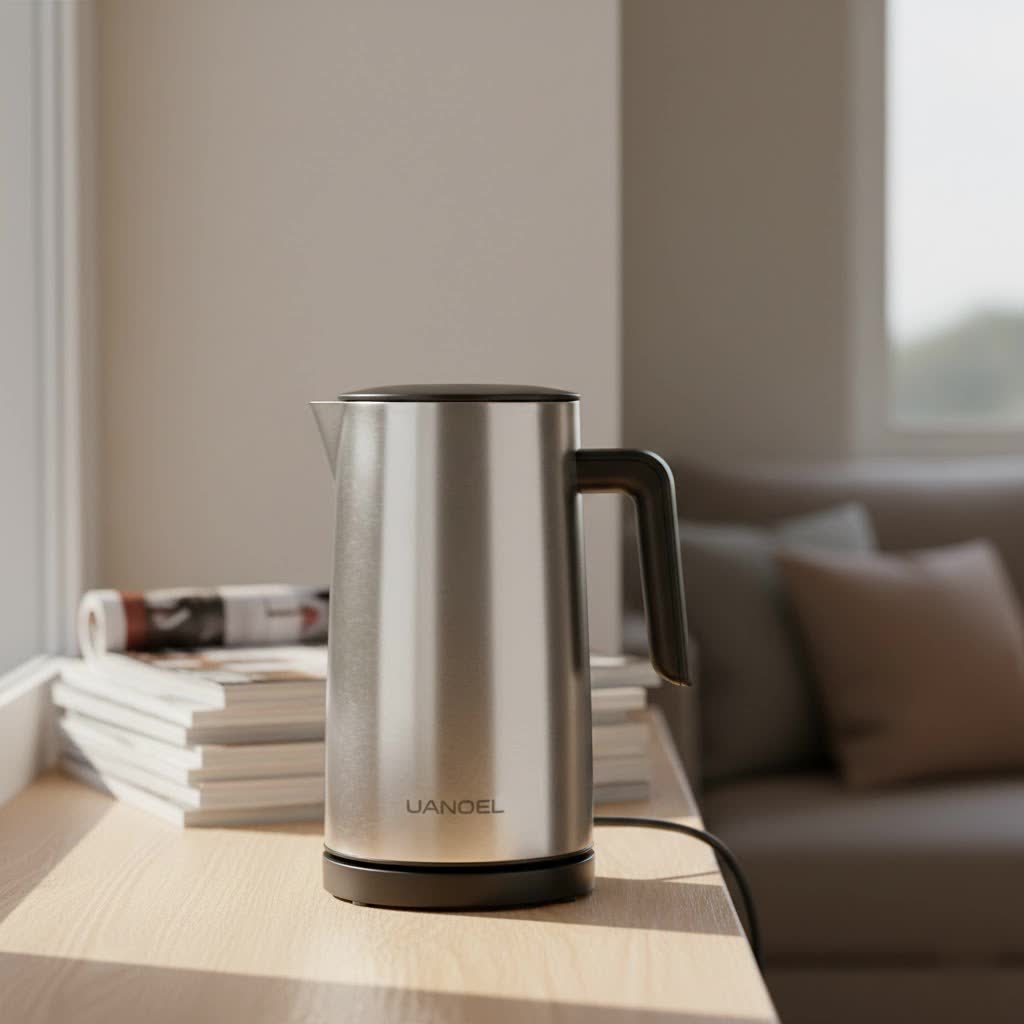
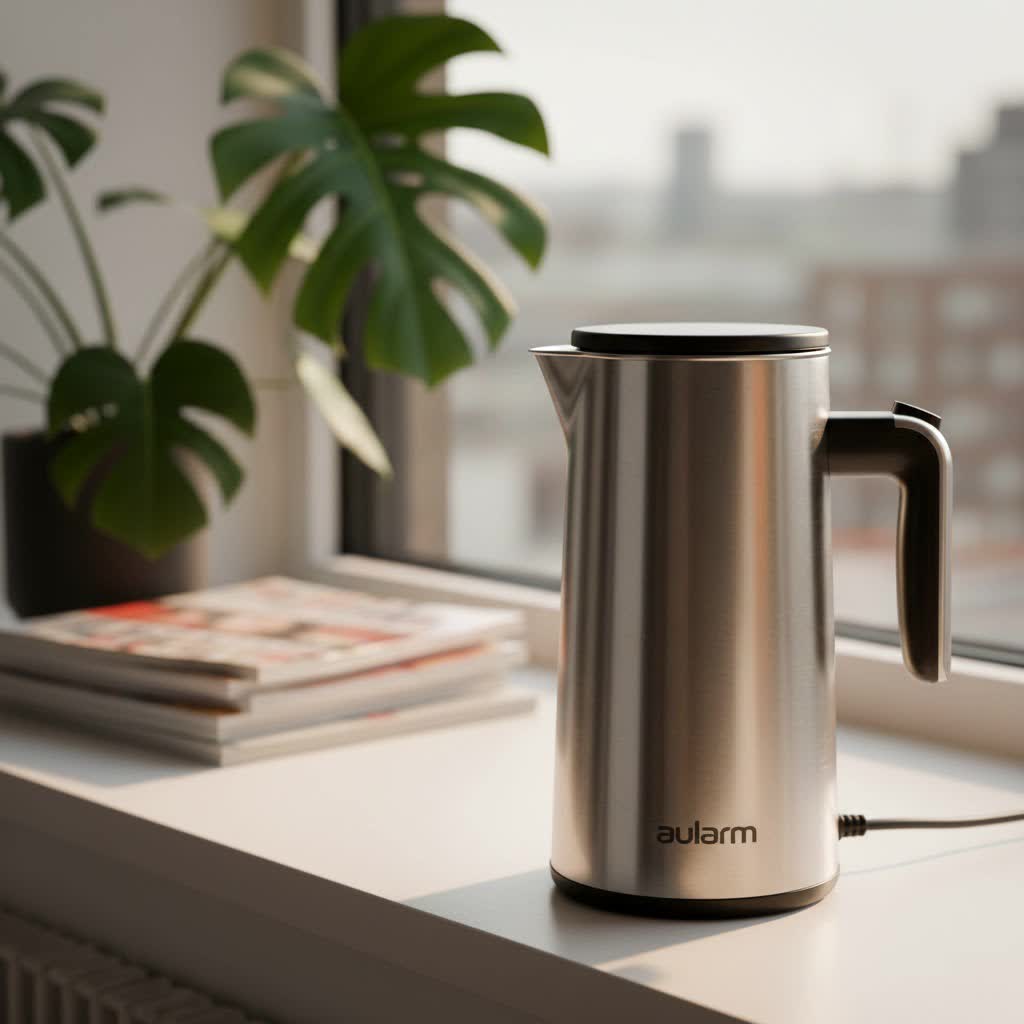
Often resembling a compact kettle, electric frothers are automatic, operating with the touch of a button. Many models boast integrated heating elements, allowing them to froth both hot and cold milk, and some even offer multiple settings for varying foam consistencies (e.g., light foam, thick foam, stir/heat). These devices provide consistent and hands-free frothing, often accommodating larger capacities suitable for multiple drinks. Their convenience comes with a slightly higher price point and a larger countertop footprint than handheld models.
Manual Milk Frothers
Manual frothers typically resemble a French press, featuring a pitcher and a plunger with a mesh screen. To use, you vigorously pump the plunger up and down to aerate the milk. They are low-cost and require no electricity, offering a more traditional and hands-on frothing experience. While they provide good control over the foam, the quality can be less consistent than electric models, and they do not heat the milk.
Steam Frothers
Found primarily on espresso machines, steam wands utilize high-pressure steam to simultaneously heat and aerate milk. This method produces the finest microfoam, characterized by tiny, uniform bubbles and a glossy sheen, which is ideal for intricate latte art. Steam wands offer the highest level of control and professional results but require an espresso machine, making them the most significant investment. They also demand more skill and practice for perfect execution and can be more challenging to clean.
Comparison Table: Understanding Your Options
| Feature | Handheld Frother | Electric Frother | Manual Frother | Steam Frother (Espresso Machine) |
|---|---|---|---|---|
| Price | Low | Medium to High | Low to Medium | High (part of espresso machine) |
| Convenience | High (portable) | Very High (automatic) | Medium (manual effort) | Medium (requires skill) |
| Foam Quality | Medium (airy) | High (consistent) | Medium (varies) | Excellent (microfoam for latte art) |
| Heating Function | No | Yes (most models) | No | Yes (simultaneous heating) |
| Portability | Excellent | Low | Medium | Low (fixed to machine) |
| Cleaning Ease | Very Easy | Medium (some dishwasher-safe) | Medium | Difficult (requires purging/wiping) |
| Capacity | Single serving | Multiple servings | Single to double | Single serving |
Choosing the Right Milk Frother for Your Home
Selecting the ideal milk frother depends on your personal coffee habits, budget, and desired level of involvement.
Consider your usage needs: How often will you use it? Do you typically make one drink or several? Do you prefer hot or cold foam, or both? If latte art is a goal, a steam wand or a high-quality electric frother with precise microfoam capabilities will be crucial. For simple, quick frothed milk, a handheld or basic electric model might suffice.
Your budget is another significant factor. Handheld frothers offer an inexpensive entry point, while advanced electric models and espresso machines with steam wands represent a larger investment.
Look for essential features such as temperature control, multiple frothing settings, ease of cleaning (e.g., non-stick coatings, dishwasher-safe parts), and capacity. Noise level can also be a consideration, especially for early morning use. Reading user reviews and choosing reputable brands can provide valuable insights into durability and performance.
Insider Tips for Perfect Frothed Milk Every Time
Achieving that café-quality foam at home is simpler than you think with these expert tips:
The Best Milk for Frothing
The type and temperature of milk play a pivotal role in your frothing success.
- Dairy Milk: Skim milk froths beautifully due to its high protein and low fat content, creating stiff, airy foam. 2% milk offers a good balance of rich taste and decent froth. Whole milk provides a creamy texture, but its higher fat content can result in less voluminous foam. Avoid half-and-half or heavy cream for frothing, as they are too heavy for significant foam production.
- Plant-Based Milks: Not all alternatives froth equally. Look for cartons labeled “barista edition” for soy or oat milk, as these are formulated with added proteins and stabilizers for optimal foaming. Soy milk typically froths well, similar to dairy, while oat milk yields a creamy, slightly sweet, and stable foam. Almond milk can froth but may separate quickly, and coconut milk tends to be thick with less volume.
Ideal Milk Temperature
Always start with cold milk, straight from the refrigerator. Proteins stretch better when chilled, leading to more stable foam. While frothing, especially with electric models or steam wands, the milk will heat up. For hot beverages, aim for a final milk temperature between 120–140°F (50–60°C), which enhances its natural sweetness without scalding.
Mastering Frothing Techniques
Regardless of your frother type, proper technique is essential:
- Fill Appropriately: Only fill your pitcher or cup about one-third to halfway with milk, as it will double (or more) in volume when frothed.
- Handheld Frother: Insert the whisk just below the milk surface. Tilt slightly and move the frother in small circular motions, slowly moving deeper into the milk to blend the foam evenly. Continue until the milk doubles in volume and looks silky (around 30 seconds).
- Steam Wand: Purge the wand of any residual water first. Submerge the tip just below the surface of cold milk, angling the pitcher to create a whirlpool. For light, fluffy foam, keep the wand near the surface. For microfoam, submerge it slightly deeper. Froth for 5-10 seconds until desired volume and temperature are reached.
- Electric Frother: Simply pour the milk to the indicated fill line, select your desired setting (hot/cold, foam level), and press start. The machine will do the rest, often stopping automatically.
Mẹo Sử Dụng và Bảo Quản Milk Frother (Tips for Use and Maintenance)
To ensure longevity and optimal performance, proper care is crucial:
- Immediate Cleaning: Always rinse your frother components immediately after use to prevent milk residue from drying and becoming difficult to remove.
- Dishwasher Safe? Check if parts are dishwasher safe. Many electric frother pitchers have non-stick interiors that are easy to wipe clean. Handheld wands should be rinsed under running water and wiped.
- Avoid Abrasives: Do not use abrasive sponges or cleaners that could damage non-stick coatings or delicate whisk components.
- Descaling (Electric Frothers): If your electric frother heats milk, mineral buildup from water might occur over time. Refer to your manual for descaling instructions, often involving a mild vinegar solution.
Troubleshooting Common Frothing Issues
- No Foam/Collapsing Foam: Often due to overheated milk, using milk with too high a fat content, or insufficient protein (especially with plant-based milks). Try colder, lower-fat milk or barista-edition plant-based options.
- Large, Airy Bubbles: The frother is likely too close to the milk’s surface. Immerse it slightly deeper for a finer texture. Tap the pitcher gently on the counter to break larger bubbles.
- Separating Foam: Common with some almond or coconut milks. Barista-edition plant milks are formulated to prevent this.
“A milk frother isn’t just about coffee; it’s about transforming everyday moments into a small luxury.” – Ava Chen, Home Barista & Food Blogger
Where to Find Your Perfect Milk Frother
Finding a milk frother “nearby” is easier than ever, thanks to their widespread popularity. You can typically purchase milk frothers at major electronics retailers like Best Buy, general merchandise stores such as Walmart and Target, and even at pharmacies like Walgreens for simpler handheld models. Home goods stores and specialty coffee shops may also carry a selection. For the broadest range of options and competitive pricing, online retailers like Amazon are always a popular choice. Many brands also sell directly through their official websites.
Conclusion
The journey into the world of frothed milk can significantly elevate your home beverage experience. From understanding the diverse types of milk frothers available to mastering the techniques for perfect foam, you now have the knowledge to transform your ordinary drinks into extraordinary delights. A milk frother offers a blend of convenience, creativity, and cost savings, truly making you your own favorite barista. So, why not embrace the art of frothing and discover new dimensions of flavor and texture? What delightful concoction will you create first with your newfound frothing skills?
Câu Hỏi Thường Gặp
How do I make cold foam with a milk frother?
To make cold foam, use cold milk straight from the refrigerator. Most electric frothers have a specific “cold foam” setting. For handheld frothers, simply whisk cold milk until it reaches your desired airy consistency. The key is to keep the milk chilled throughout the process.
Can I use a milk frother for plant-based milks?
Yes, absolutely! Many milk frothers are designed to work with various plant-based milks. For the best results, look for “barista edition” oat, soy, or almond milks, as these are typically formulated with higher protein content and stabilizers that help create a more stable and creamy foam.
How do I clean my milk frother effectively?
For electric frothers, immediately rinse the pitcher and whisk under warm water after use. Many models have non-stick interiors that wipe clean easily, and some parts may be dishwasher safe. Handheld frothers can be rinsed and briefly run in soapy water, then rinsed again. Always refer to your specific model’s instructions for detailed cleaning and maintenance.
Is there a difference between a milk frother and a milk steamer?
Yes, a milk frother primarily aerates milk to create foam, while a milk steamer uses pressurized steam to heat and texturize milk simultaneously, typically producing finer microfoam ideal for latte art. Many electric frothers combine both functions, offering heated and frothed milk.