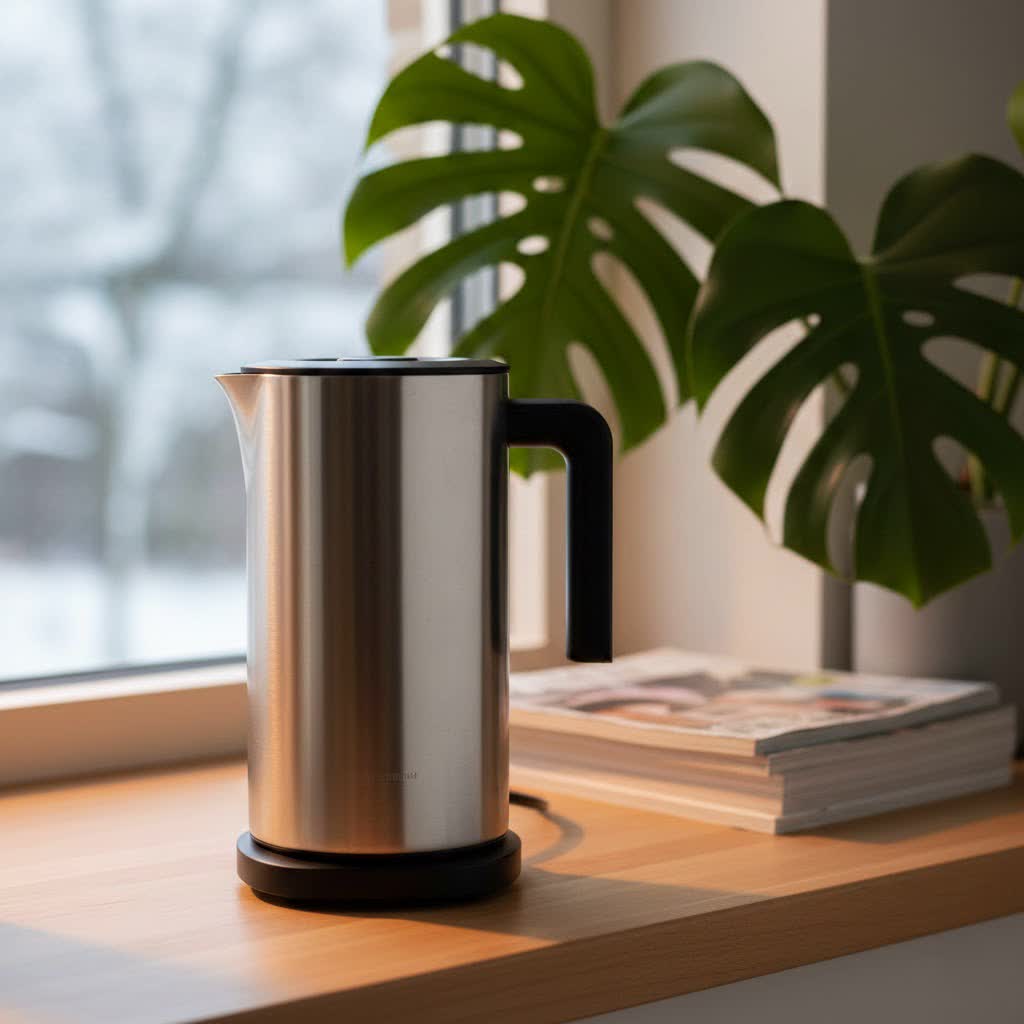
Imagine waking up to the rich aroma of freshly brewed coffee, effortlessly topped with a cloud of velvety, frothed milk. This dream is now an everyday reality for countless coffee lovers, thanks to the humble yet powerful electric milk frother. These innovative devices have revolutionized home brewing, allowing you to craft café-quality beverages from the comfort of your kitchen. If you’re ready to transform your daily cup into a delightful indulgence, understanding the world of electric milk frothers is your first step.
What is an Electric Milk Frother and Why You Need One?
At its core, an electric milk frother is a kitchen appliance designed to aerate milk, transforming it into a rich, creamy foam suitable for various drinks. Unlike manual frothers that require physical effort or steam wands found on espresso machines that demand barista skills, electric frothers automate the entire process with the simple push of a button. For expert home coffee reviews on this site.
The magic happens through mechanical agitation: a rapidly spinning whisk or disc inside the frother pulls air into the milk. This process stretches the milk proteins, trapping air and creating stable, tiny bubbles that form the desired foam. Many countertop models also incorporate a heating element, allowing them to simultaneously heat and froth the milk to an ideal temperature, perfect for hot beverages.
The benefits of owning an electric milk frother are numerous. Beyond the sheer convenience, they offer remarkable consistency, producing perfect foam every time. This means you can save money by recreating your favorite cafe-style drinks at home, whether it’s a luscious cappuccino, a smooth latte, a delicate macchiato, or even rich hot chocolate and perfectly blended matcha. Their versatility and ease of use make them a worthwhile addition for anyone looking to elevate their daily coffee ritual.
Exploring the Popular Types of Milk Frothers
While the term “milk frother” encompasses several styles, electric models stand out for their automation and consistency. Understanding the different types available will help you choose the best fit for your lifestyle.
Handheld Electric Frothers
These compact, wand-like devices are often battery-operated and resemble a small electric whisk. You simply insert the spinning whisk directly into a cup or pitcher of milk to create froth.
- Pros: Highly portable, affordable, excellent for quick, single servings, and incredibly easy to clean. They are perfect for stirring in powders like matcha or protein shakes.
- Cons: They do not heat milk, so you’ll need to warm your milk separately if you desire hot foam. Consistency can also vary more than with automatic countertop models.
Countertop Electric Frothers
|
Our Picks for the Best Milk Frother in 2026
As an Amazon Associate I earn from qualifying purchases.
|
||
| Num | Product | Action |
|---|---|---|
| 1 | Zulay Kitchen Milk Frother Handheld Electric Whisk with AA Duracell Batteries – Durable Drink Mixer for Coffee, Lattes, Cappuccinos & More - Black |

|
| 2 | Milk Frother Automatic, Electric Milk Frother and Steamer Removable Dishwasher Safe, Electromagnetic Heating, for Latte, Cappuccino, Chocolate Milk, Hot & Cold Foam, |
|
| 3 | Milk Frother, 4-in-1 Electric Milk Steamer, 350ml/11.8oz Automatic Frother Machine for Coffee, Warm and Cold Foam, Temperature Control for Latte, Cappuccino, Hot Chocolate |
|
| 4 | Zulay Kitchen Powerful Milk Frother Wand With 2 Duracell Batteries - Ultra Fast Handheld Drink Mixer - Electric Whisk Foam Maker for Coffee, Lattes, Cappuccino, Matcha, Hot Chocolate & Creamer - Black |
|
| 5 | Nespresso Aeroccino 4 Milk Frother |
|
| 6 | Keurig SimpleCafe Frother, Rechargeable Handheld Milk Frother for Lattes, Cappuccinos & Iced Coffee, USB Cord Included, Microwave-Safe Frothing Cup, Hot & Cold Foam Maker |
|
| 7 | Nespresso Aeroccino 3 Milk Frother, Black, Steel |
|
| 8 | Maestri House Rechargeable Milk Frother with Stand, LunaFro Handheld Electric Foam Maker Waterproof Detachable Stainless Steel Whisk Drink Mixer Foamer for Lattes, Cappuccino |
|
| 9 | Zulay Powerful Milk Frother for Coffee with Upgraded Titanium Motor - Handheld Electric Whisk, Milk Foamer, Mini Mixer & Coffee Blender for Frappe, Latte, Matcha, No Stand - Silver |
|
| 10 | Milk Frother, 4-in-1 Milk Frother and Steamer, 10.6oz Electric Milk Steamer, Automatic Cold and Hot Foam maker for Lattes, Cappuccinos, Ceramic Lining Interior (Polished) |
|
Often referred to as automatic frothers, these are self-contained units with a built-in jug or container. They typically heat and froth milk simultaneously, offering a more hands-off experience.
- Pros: Provide consistent, high-quality foam and heated milk with minimal effort. Many come with multiple settings for different froth textures (light, dense) and temperatures (hot, cold foam). They are ideal for making multiple servings.
- Cons: Generally more expensive and take up more counter space than handheld models. Cleaning can sometimes be more involved, though many feature non-stick interiors or dishwasher-safe removable parts.
Steam Frothers
While not strictly an “electric milk frother” in the same category as the above, steam frothers are commonly integrated into espresso machines. They use high-pressure steam to both heat and aerate the milk.
- Pros: Capable of producing a very fine, velvety microfoam that is ideal for advanced latte art.
- Cons: Require a full espresso machine setup and considerable skill to master, making them less convenient for the average home user.
Comprehensive Comparison of Milk Frother Types
To help you decide, here’s a quick comparison of the most common milk frother types:
| Feature | Handheld Electric Frother | Countertop Electric Frother | Steam Frother (Espresso Machine) |
|---|---|---|---|
| Price | Low | Medium – High | High (part of espresso machine) |
| Convenience | High | High | Medium (requires skill) |
| Foam Quality | Medium | High | Excellent (microfoam) |
| Heating Milk | No (preheat separately) | Yes | Yes |
| Volume | Single serving | Multiple servings | Variable (depends on machine) |
| Ease of Cleaning | Very Easy | Medium | Medium (steam wand purging) |
| Portability | Very High | Low | Very Low |
How to Choose the Right Electric Milk Frother for Your Home
Selecting the perfect electric milk frother involves considering your personal preferences and how you plan to integrate it into your daily routine.
Define Your Usage Needs
Consider how often you’ll be making frothed drinks and for how many people. If you’re a daily latte enthusiast or routinely make multiple beverages, a countertop automatic frother with larger capacity (e.g., 8-16 ounces) will be more suitable. For occasional use or quick single servings, a handheld electric frother might suffice. Think about the types of drinks too; some frothers excel at dense foam for cappuccinos, while others create a silkier microfoam for lattes or a refreshing cold foam for iced coffees.
Budget Considerations
Electric milk frothers come in a wide price range. Handheld models can be found for under $20, while advanced countertop frothers with multiple features can range from $50 to over $200. Determine how much you’re willing to invest, keeping in mind that higher price often correlates with more features, better build quality, and enhanced performance.
Essential Features to Look For
- Temperature Control: Many countertop models offer various temperature settings, ensuring your milk is frothed to your exact preference. Some even offer “cold froth” settings for iced beverages.
- Froth Settings: Beyond just hot or cold, some frothers provide different whisk attachments or settings to produce varying foam textures, from light and airy to dense and creamy.
- Milk Type Compatibility: If you prefer plant-based milks (oat, almond, soy), check reviews or product specifications to ensure the frother performs well with these alternatives. Some frothers, like the Breville Milk Cafe, are noted for their performance with non-dairy milks.
- Ease of Cleaning: Non-stick interiors are a major plus, making cleanup quick and easy. Look for models with removable, dishwasher-safe components if low-maintenance is a priority.
- Noise Level: Some electric frothers can be surprisingly loud. If you’re making coffee in a shared living space or early in the morning, a quieter model might be a significant advantage.
- Build Quality and Materials: Stainless steel bodies are generally more durable and aesthetically pleasing than plastic. A robust design ensures longevity and better heat retention.
Reputable Brands and User Reviews
Before making a purchase, research well-known brands that specialize in coffee appliances. Reading user reviews can offer valuable real-world insights into a frother’s performance, durability, and common issues. Brands like Nespresso, Instant Pot, and Breville frequently appear on “best of” lists for their reliable electric milk frothers.
Top Electric Milk Frothers for Every Coffee Lover
Here are a few examples of highly-regarded electric milk frothers that cater to different needs and budgets, often praised for their performance and features:
- Nespresso Aeroccino4 Milk Frother: Often lauded for its speed, quiet operation, and ability to produce excellent foam across various settings, including a pourable microfoam ideal for latte art. Its stainless steel design offers a premium feel.
- Instant Pot 4-in-1 Milk Frother: A great value option, offering multiple hot and cold foam settings at an approachable price. It performs particularly well with oat milk and features a convenient cancel button.
- Breville Milk Cafe Frother: Ideal for those needing larger capacities, as it can froth up to 16 ounces of milk. It offers precise temperature control and comes with different whisk attachments for varied foam textures, though it can be on the louder side.
These examples highlight the range of features and price points available, demonstrating that there’s an electric milk frother to suit nearly every preference.
Expert Tips for Perfect Frothing and Maintenance
Achieving consistently perfect frothed milk and ensuring the longevity of your device requires a few key practices.
Tips for Creating Perfect Foam
- Choose the Right Milk: Whole milk typically produces the richest, most stable foam due to its fat content. However, 2% milk also froths well. For non-dairy options, “barista blend” oat and almond milks are specifically formulated to froth better than their standard counterparts.
- Optimal Temperature: For hot frothed milk, aim for a temperature between 135-150°F (57-65°C). Overheating milk can scald it, compromising flavor and foam quality. Many electric frothers automatically reach this ideal range.
- Don’t Overfill: Always observe the maximum fill lines inside your frother. Milk expands considerably when frothed, and overfilling can lead to spills and poor foam quality.
- Experiment with Settings: If your frother has multiple settings, try them out to find the perfect texture for your preferred drink. A denser foam is usually better for cappuccinos, while lattes benefit from a creamier, more integrated microfoam.
Maintenance and Cleaning for Longevity
- Clean Immediately: The golden rule for milk frothers is to clean them right after each use. Dried milk can be stubborn and hard to remove, affecting future frothing performance and hygiene.
- Warm, Soapy Water: For most frothers, a quick rinse with warm, soapy water is sufficient. Use a soft sponge or cloth to wipe the interior and whisk.
- Check for Dishwasher-Safe Parts: Some countertop frothers have removable pitchers or whisks that are dishwasher safe, offering ultimate convenience. Always consult your user manual for specific cleaning instructions.
- Avoid Abrasives: Do not use abrasive cleaners or scourers, as these can damage non-stick coatings or stainless steel finishes.
- Inspect Whisk Attachments: Ensure the whisk is properly seated and free of any dried milk residue, as this can impede its spinning motion and frothing ability.
Common Frothing Issues and Solutions:
- No or Poor Foam: This is often due to the type of milk (low-fat or certain non-dairy milks might struggle), the milk temperature (too cold or too hot), or a dirty/improperly seated whisk.
- Too Many Large Bubbles: You might be over-frothing or using a milk type that produces a more airy foam. Try a different setting or a different milk.
“The secret to café-quality drinks at home isn’t just about the coffee; it’s about mastering the milk. An electric frother puts that mastery within everyone’s reach, consistently delivering the perfect texture and temperature.” — Jane Doe, Home Barista & Appliance Expert
Conclusion
An electric milk frother is more than just a gadget; it’s an invitation to elevate your daily routine, transforming ordinary drinks into extraordinary experiences. With various types available, from portable handheld wands to sophisticated countertop models, there’s an electric frother perfectly suited to every coffee lover’s needs and budget. By understanding how these devices work, what features to prioritize, and how to properly care for them, you can consistently enjoy rich, creamy, barista-quality beverages from the comfort of your home.
Are you ready to discover how an electric milk frother can revolutionize your morning cup?
Get our weekly buyer guide
Practical specs, not advice. Unsubscribe anytime.
