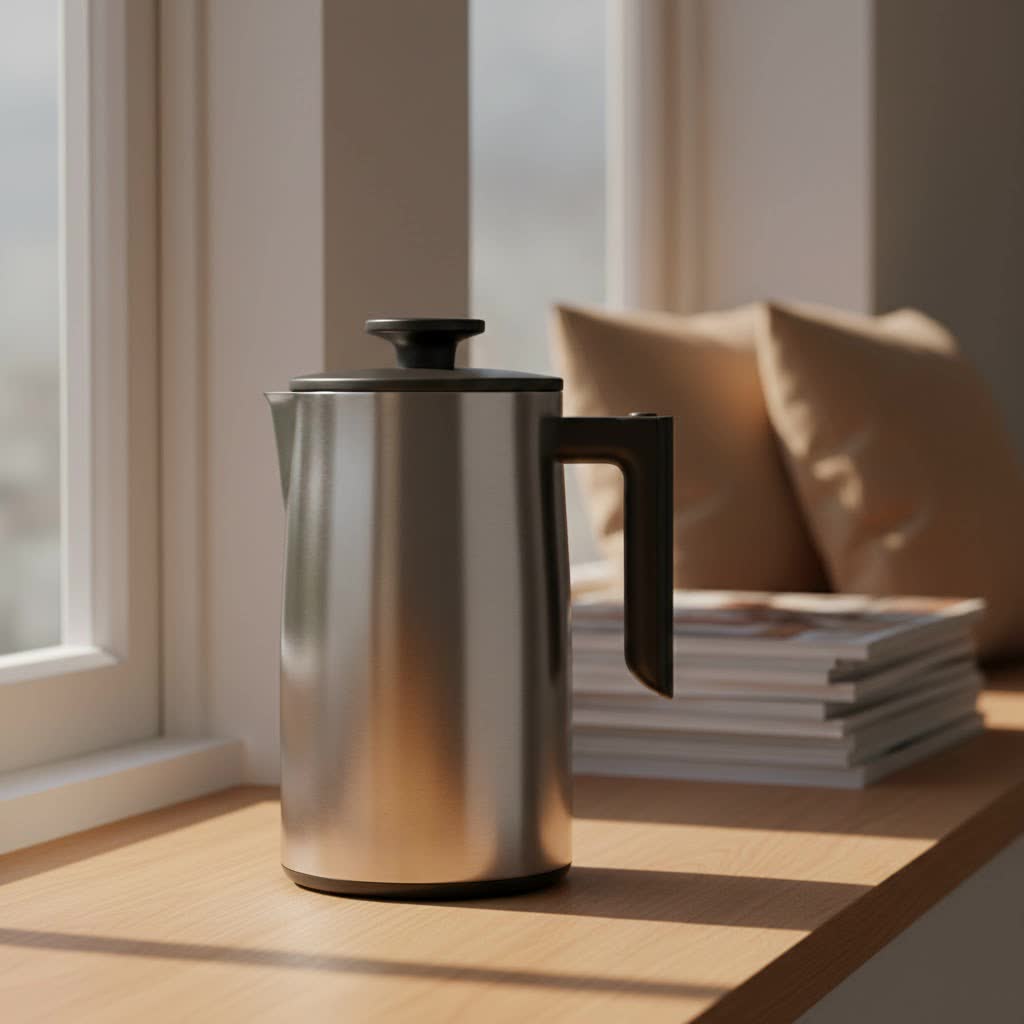
For coffee lovers, the daily ritual of brewing can be a cherished moment, a pause in a busy world. Imagine recreating your favorite cafe-style beverages—a velvety latte, a robust cappuccino, or a delicate macchiato—right in your own kitchen. This dream is entirely achievable with an espresso maker with milk frother, a versatile appliance that has revolutionized home coffee preparation. From simple steam wands to sophisticated automatic systems, these machines empower you to transform your mornings and impress your guests, all while saving you countless trips to the local coffee shop. If you’re ready to dive into the exciting world of home barista craftsmanship, this comprehensive guide will help you understand, choose, and master the perfect espresso maker with an integrated milk frother for your needs.
What is an Espresso Maker with Milk Frother and Why Do You Need One?
An espresso maker with a milk frother is a multifaceted kitchen appliance designed to brew concentrated espresso shots and simultaneously texture milk for various coffee beverages. At its core, an espresso machine uses high-pressure hot water to extract rich, aromatic coffee from finely ground beans. The integrated milk frother, typically a steam wand or an automatic milk system, then heats and aerates milk, creating a smooth, creamy foam or silky microfoam essential for specialty drinks. For explore our home coffee reviews on this site.
The appeal of owning such a machine extends beyond mere convenience. Bringing the cafe experience home offers significant benefits:
- Cost Savings: Regularly purchasing specialty coffee drinks adds up. Investing in an espresso maker quickly pays for itself.
- Unmatched Convenience: Enjoy your favorite espresso-based drinks whenever you desire, without leaving your house.
- Creative Freedom: Experiment with different coffee beans, milk types, and latte art designs, unleashing your inner barista.
- Customization: Adjust every aspect of your drink, from espresso strength to milk temperature and foam density, to perfectly suit your taste.
Whether you crave a classic cappuccino, a creamy latte, a strong flat white, or an indulgent macchiato, an espresso maker with a milk frother is your gateway to a world of exquisite coffee possibilities.
Exploring the Types of Espresso Makers with Integrated Milk Frothers
Espresso machines equipped with milk frothers come in various configurations, each offering a distinct balance of control, convenience, and automation. Understanding these types is crucial for selecting the machine that best fits your lifestyle and barista aspirations.
Semi-Automatic Espresso Machines with Steam Wands
Semi-automatic machines offer the most hands-on experience, putting you in direct control of the brewing process. You typically grind your beans, tamp them into the portafilter, and manually start and stop the espresso shot. The milk frother on these machines is almost exclusively a manual steam wand.
- Pros:
- Maximum Control: Baristas love the ability to precisely control espresso extraction and milk texturing, allowing for true latte art.
- Skill Development: Offers the most rewarding learning curve for aspiring home baristas.
- Durability: Often feature robust components built to last.
- Cons:
- Steeper Learning Curve: Requires practice to master both espresso pulling and milk frothing techniques.
- More Involved Process: Not ideal for those seeking a quick, no-fuss coffee.
- Manual Cleaning: Steam wands need immediate cleaning after each use.
Automatic Espresso Machines with Frothers
|
Our Picks for the Best Milk Frother in 2026
As an Amazon Associate I earn from qualifying purchases.
|
||
| Num | Product | Action |
|---|---|---|
| 1 | Maestri House Rechargeable Milk Frother with Stand, LunaFro Handheld Electric Foam Maker Waterproof Detachable Stainless Steel Whisk Drink Mixer Foamer for Lattes, Cappuccino |

|
| 2 | Milk Frother, 4-in-1 Milk Frother and Steamer, 10.6oz Electric Milk Steamer, Automatic Cold and Hot Foam maker for Lattes, Cappuccinos, Ceramic Lining Interior (Polished) |
|
| 3 | Keurig SimpleCafe Frother, Rechargeable Handheld Milk Frother for Lattes, Cappuccinos & Iced Coffee, USB Cord Included, Microwave-Safe Frothing Cup, Hot & Cold Foam Maker |
|
| 4 | Zulay Kitchen Milk Frother Handheld Electric Whisk with AA Duracell Batteries – Durable Drink Mixer for Coffee, Lattes, Cappuccinos & More - Black |
|
| 5 | Nespresso Aeroccino 4 Milk Frother |
|
| 6 | Milk Frother Automatic, Electric Milk Frother and Steamer Removable Dishwasher Safe, Electromagnetic Heating, for Latte, Cappuccino, Chocolate Milk, Hot & Cold Foam, |
|
| 7 | Nespresso Aeroccino 3 Milk Frother, Black, Steel |
|
| 8 | Milk Frother, 4-in-1 Electric Milk Steamer, 350ml/11.8oz Automatic Frother Machine for Coffee, Warm and Cold Foam, Temperature Control for Latte, Cappuccino, Hot Chocolate |
|
| 9 | Zulay Powerful Milk Frother for Coffee with Upgraded Titanium Motor - Handheld Electric Whisk, Milk Foamer, Mini Mixer & Coffee Blender for Frappe, Latte, Matcha, No Stand - Silver |
|
| 10 | Zulay Kitchen Powerful Milk Frother Wand With 2 Duracell Batteries - Ultra Fast Handheld Drink Mixer - Electric Whisk Foam Maker for Coffee, Lattes, Cappuccino, Matcha, Hot Chocolate & Creamer - Black |
|
Automatic machines simplify the espresso-making process slightly. While you still often grind and tamp, these machines use built-in volumetric systems to automatically stop the espresso shot, ensuring consistent shot volumes. The frothing mechanism can vary: some still feature manual steam wands, while others incorporate simpler automatic frothing attachments.
- Pros:
- Consistent Espresso: Automatic shot stopping reduces variability.
- Balance of Control & Convenience: Offers more control than super-automatics but less manual intervention than semi-automatics.
- Good for Learning: A stepping stone for those transitioning from manual to more automated processes.
- Cons:
- Less Control than Semi-Automatics: Limits some fine-tuning of the espresso.
- Frother Variation: The quality and control of the milk frother can vary significantly between models.
Super-Automatic Espresso Machines with Integrated Milk Systems
Super-automatic machines are the epitome of convenience, handling almost every step of the coffee-making process with the press of a button. These machines often come with integrated grinders, automatic tamping, and advanced milk frothing systems that automatically dispense perfectly frothed milk directly into your cup.
- Pros:
- Ultimate Convenience: “Bean-to-cup” operation requires minimal effort.
- Consistency: Delivers consistent results for both espresso and milk froth every time.
- User-Friendly: Ideal for busy individuals or those new to espresso who want cafe-quality drinks without the learning curve.
- Cons:
- Less Control: Offers limited ability to fine-tune espresso parameters or milk texture.
- Higher Price Point: Generally the most expensive category.
- Complex Cleaning: While some have auto-clean cycles, internal milk systems can be more challenging to fully clean and maintain.
Pod-Based Espresso Machines with Frothers (e.g., Nespresso Lattissima)
Though often considered a separate category, many pod-based espresso machines integrate milk frothing capabilities. These machines use pre-portioned coffee capsules for espresso and often feature a separate, or sometimes integrated, automatic milk frother.
- Pros:
- Extreme Simplicity: No grinding or tamping required.
- Speed: Brews espresso very quickly.
- Cleanliness: Minimal mess compared to traditional espresso machines.
- Cons:
- Higher Long-Term Cost: Coffee pods can be expensive.
- Limited Customization: Espresso quality and flavor are dictated by the pod.
- Environmental Impact: Pod waste can be a concern, though recycling programs exist.
Comparison Table: Espresso Maker Types & Frother Features
Understanding the nuances between different types of espresso makers with frothers can simplify your decision-making. This table highlights key differences:
| Feature | Semi-Automatic (Steam Wand) | Automatic (Steam Wand/Simple Auto Frother) | Super-Automatic (Integrated Milk System) | Pod-Based (with Frother) |
|---|---|---|---|---|
| Price Range | Medium – High | Medium – High | High – Premium | Low – Medium |
| Control | High (Espresso & Milk) | Medium (Espresso), High (Milk if wand) | Low (Fully Automated) | Very Low (Pre-set) |
| Convenience | Medium | High | Very High | Extremely High |
| Froth Quality | Excellent (with skill) | Good – Excellent | Good (Consistent, less customizable) | Good (Often a separate unit) |
| Learning Curve | Significant | Moderate | Minimal | Minimal |
| Cleaning | Manual (wand & group head) | Manual (wand) / Some auto-clean | Auto-clean cycles, more complex components | Easy (less components, pods) |
| Built-in Grinder | Rare, usually separate grinder | Sometimes integrated | Always integrated | Not applicable (uses pods) |
How to Choose the Right Espresso Maker with Milk Frother for You
Selecting the perfect espresso maker with a milk frother involves considering several factors tailored to your personal habits and preferences.
-
Determine Your Barista Skill Level & Commitment:
- Beginner/Casual User: If you value speed and simplicity, a super-automatic or a good quality pod-based machine with an integrated frother might be ideal. These require minimal skill.
- Aspiring Home Barista: A semi-automatic machine with a steam wand will offer the control needed to learn and perfect your craft.
- Experienced Home Barista: You’ll likely appreciate the precision and customization of a high-end semi-automatic or even a dual-boiler automatic machine.
-
Consider Your Drink Preferences:
- Do you primarily drink lattes and cappuccinos, or do you also enjoy straight espresso?
- Do you want to experiment with latte art? A manual steam wand is essential for this.
- Do you need options for hot and cold milk frothing? Some automatic frothers offer both.
-
Set Your Budget:
Espresso machines with frothers range widely in price, from a couple of hundred to several thousand dollars. Define how much you’re willing to invest, remembering that higher prices often reflect better build quality, more features, and greater longevity. -
Evaluate Counter Space:
Espresso machines can be bulky. Measure your available counter space to ensure the machine you choose will fit comfortably and leave room for cups and accessories. Compact designs like the Breville Bambino Plus are excellent for smaller kitchens. -
Prioritize Ease of Cleaning:
Milk can be notoriously difficult to clean once dried. Look for machines with removable, dishwasher-safe parts or effective auto-cleaning cycles for the milk system. A quick wipe-down of a steam wand immediately after use is far easier than scrubbing dried milk. -
Desired Features:
- Built-in Grinder: For ultimate freshness and convenience, an integrated conical burr grinder (like on the Breville Barista Express) is a major plus. Otherwise, budget for a separate quality grinder.
- Programmable Settings: Features like programmable shot volumes or milk temperatures add convenience and consistency.
- Fast Heat-up Time: ThermoJet or ThermoBlock heating systems can heat up in mere seconds, ideal for busy mornings.
- Water Tank Size: A larger, easily accessible, and removable water tank means fewer refills.
-
Brand Reputation and Reviews:
Research reputable brands known for their quality and customer support, such as Breville, De’Longhi, Gaggia, Philips, and Sage. Read user reviews to get real-world insights into a machine’s performance and potential quirks.
Mastering Your Espresso Maker with Milk Frother: Usage & Maintenance
Owning an espresso maker with a milk frother is just the first step; mastering its use and maintaining it properly will ensure you enjoy perfect coffee for years to come.
Perfect Espresso Extraction Basics
While the focus here is on frothing, a good milk drink starts with a great espresso shot.
- Fresh Beans: Always use fresh, high-quality coffee beans.
- Proper Grind: Grind your beans just before brewing. The grind size is critical—too fine, and the shot will be bitter; too coarse, and it will be weak.
- Consistent Tamp: Apply even pressure when tamping the ground coffee into the portafilter.
- Optimal Extraction: Aim for a shot that takes 20-30 seconds to pull for a balanced flavor.
The Art of Perfect Milk Frothing
Creating velvety, delicious milk froth is a skill that elevates your coffee experience. Whether you have a manual steam wand or an automatic frother, here are key tips:
- Use Cold Milk: Start with fresh, refrigerated milk (dairy or non-dairy). Cold milk provides more time to incorporate air before it gets too hot.
- The Right Pitcher (for Steam Wands): A stainless steel milk pitcher is ideal. Fill it about one-third to halfway, allowing room for expansion.
- Purge the Steam Wand: Before frothing, open the steam valve briefly to release any condensed water. This prevents watery milk.
- Position the Steam Wand:
- For Air Incorporation (“Stretching”): Submerge just the tip of the wand into the milk’s surface. You should hear a gentle “hissing” sound, like tearing paper. This introduces air and creates foam. Angle the pitcher slightly to create a gentle swirl.
- For Texturing (“Texturing/Rolling”): Once you have enough foam (milk expands by about 10-20% for lattes, more for cappuccinos), lower the wand deeper into the milk. Maintain a swirling motion to integrate the air throughout the milk, creating a smooth, glossy texture known as microfoam.
- Monitor Temperature: Keep a hand on the side of the pitcher. Remove the wand when the pitcher becomes too hot to comfortably touch, typically around 140-155°F (60-68°C). Overheating milk can scald it and ruin the flavor.
- Clean Immediately: After frothing, immediately wipe down the steam wand with a damp cloth and purge it again to clear any milk residue from the tip. This prevents blockages and bacteria buildup.
- Swirl and Tap: Gently swirl the frothed milk to achieve a consistent, shiny texture. Tap the pitcher on the counter a few times to eliminate any larger bubbles.
“Mastering the steam wand is a journey, not a destination. Consistent practice with cold milk and a focus on listening to the sounds the milk makes is key to unlocking truly exquisite microfoam.” – Admin ReviewnBrew, Coffee Appliance Expert
Essential Maintenance Tips
Proper maintenance is crucial for the longevity and performance of your espresso maker and frother.
- Clean Daily: Wipe down the group head, portafilter, drip tray, and steam wand (after every use!) daily.
- Backflush (Semi-Automatic/Automatic): Backflush your machine regularly with a blind filter and espresso machine cleaner to remove coffee oils from the group head.
- Descale Regularly: Mineral buildup from water can damage your machine. Descale according to the manufacturer’s recommendations, typically every 1-3 months, using a food-safe descaling solution.
- Clean Milk Systems (Automatic Frothers): If your machine has an automatic milk system, follow the manufacturer’s instructions for daily rinsing and regular deep cleaning with a milk system cleaner to prevent clogs and bacterial growth.
- Water Quality: Use filtered water to reduce mineral buildup and improve coffee taste.
Conclusion
An espresso maker with an integrated milk frother is more than just an appliance; it’s an invitation to explore the rich and rewarding world of specialty coffee from the comfort of your home. From the tactile satisfaction of manually crafting microfoam to the sheer convenience of a one-touch super-automatic, there’s a machine designed to match every preference and skill level. By understanding the different types, considering your needs, and committing to proper usage and maintenance, you can unlock endless possibilities for delicious, personalized coffee creations. Are you ready to begin your journey as a home barista and savor the art of the perfect brew?
Frequently Asked Questions
What type of milk frother is best for latte art?
A manual steam wand, typically found on semi-automatic espresso machines, offers the most control over milk texture and is essential for creating delicate latte art. It requires practice but provides superior results compared to automatic frothers.
Can I use non-dairy milk with an espresso maker’s frother?
Yes, most espresso makers with frothers can handle non-dairy milks like oat, almond, or soy milk. Many brands now offer “barista blend” versions of non-dairy milks specifically formulated to froth well and create stable foam.
How often should I clean my espresso maker’s milk frother?
For hygiene and optimal performance, you should clean your milk frother immediately after every use, especially manual steam wands. Automatic milk systems often have daily rinse cycles and require deeper cleaning weekly or bi-weekly, as per the manufacturer’s instructions.
Is a built-in grinder necessary for an espresso maker with a frother?
While not strictly “necessary,” a built-in grinder offers significant convenience and ensures you always use freshly ground beans, which is crucial for optimal espresso flavor. If your machine doesn’t have one, investing in a good quality standalone burr grinder is highly recommended.
What’s the ideal temperature for frothed milk?
The ideal temperature for frothed milk is typically between 140-155°F (60-68°C). At this range, the milk is hot enough to enjoy but not so hot that it scalds, which can negatively impact its sweetness and texture.
Why is my milk frother not producing good foam?
Common reasons include using milk that isn’t cold enough, improper steam wand technique (e.g., not enough air incorporation or too much air), a clogged steam wand, or insufficient steam pressure from the machine. Ensure your frother is clean and you’re following the correct technique for your specific machine.
Get our weekly buyer guide
Practical specs, not advice. Unsubscribe anytime.
