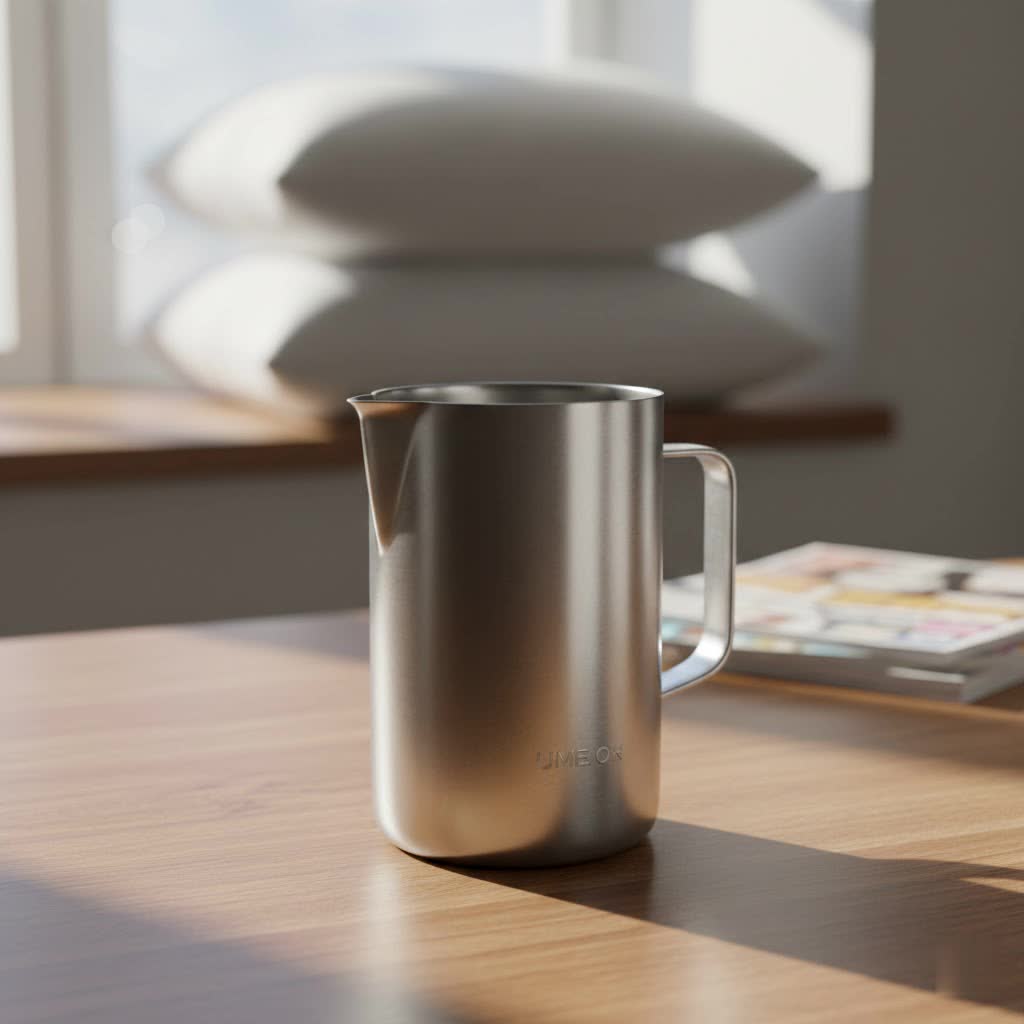
Imagine starting your day with a perfectly crafted latte or ending it with a comforting hot chocolate, crowned with a cloud of rich, velvety foam. For years, this delightful experience was reserved for the skilled baristas at your favorite coffee shop. But what if you could recreate that magic right in your own kitchen? A quality milk frother is your secret weapon, transforming ordinary milk into luxurious froth, elevating your homemade beverages to an art form. Whether you’re a seasoned coffee enthusiast or just beginning your journey into home brewing, understanding the world of frothy milk frothers is the first step to unlocking a new realm of delicious possibilities.
What is a Milk Frother and Why Do You Need One?
At its core, a milk frother is a kitchen appliance designed to aerate milk, creating a light, airy foam. This process involves introducing tiny air bubbles into the milk, changing its texture and volume. The result is a smooth, creamy topping that not only enhances the taste and mouthfeel of your drinks but also adds a touch of professional elegance.
Why invest in a milk frother? Beyond the sheer joy of cafe-quality drinks, owning a frother offers significant benefits. It’s incredibly cost-effective, saving you money on daily coffee shop visits. It provides unmatched convenience, allowing you to whip up your favorite beverages whenever the craving strikes, without leaving your home. Most importantly, it empowers your creativity, letting you experiment with various milks and drink recipes. From classic cappuccinos and smooth lattes to decadent macchiatos and frothy hot chocolates, a milk frother broadens your beverage horizons. You can even use it to create delightful cold foam for iced coffees, adding a refreshing twist to your routine.
The magic behind milk froth lies in the science of milk itself. Milk contains proteins (primarily whey and casein) and fats. When air is introduced, these proteins denature and surround the air bubbles, stabilizing them to form a sturdy foam. Fats contribute to the richness and creaminess of the foam. The goal for a perfect drink is often “microfoam,” characterized by small, uniform, tightly packed bubbles that create a smooth, velvety texture, ideal for intricate latte art. This contrasts with “macrofoam,” which has larger, less stable bubbles.
Types of Milk Frothers for Optimal Froth
The market offers a diverse range of milk frothers, each designed to achieve different levels and types of froth. Understanding their mechanisms and strengths will help you choose the best tool for your frothy ambitions.
Handheld Frothers
|
Our Picks for the Best Milk Frother in 2026
As an Amazon Associate I earn from qualifying purchases.
|
||
| Num | Product | Action |
|---|---|---|
| 1 | Milk Frother, 4-in-1 Electric Milk Steamer, 350ml/11.8oz Automatic Frother Machine for Coffee, Warm and Cold Foam, Temperature Control for Latte, Cappuccino, Hot Chocolate |

|
| 2 | Milk Frother, 4-in-1 Milk Frother and Steamer, 10.6oz Electric Milk Steamer, Automatic Cold and Hot Foam maker for Lattes, Cappuccinos, Ceramic Lining Interior (Polished) |
|
| 3 | Keurig SimpleCafe Frother, Rechargeable Handheld Milk Frother for Lattes, Cappuccinos & Iced Coffee, USB Cord Included, Microwave-Safe Frothing Cup, Hot & Cold Foam Maker |
|
| 4 | Nespresso Aeroccino 3 Milk Frother, Black, Steel |
|
| 5 | Zulay Kitchen Milk Frother Handheld Electric Whisk with AA Duracell Batteries – Durable Drink Mixer for Coffee, Lattes, Cappuccinos & More - Black |
|
| 6 | Milk Frother Automatic, Electric Milk Frother and Steamer Removable Dishwasher Safe, Electromagnetic Heating, for Latte, Cappuccino, Chocolate Milk, Hot & Cold Foam, |
|
| 7 | Nespresso Aeroccino 4 Milk Frother |
|
| 8 | Zulay Kitchen Powerful Milk Frother Wand With 2 Duracell Batteries - Ultra Fast Handheld Drink Mixer - Electric Whisk Foam Maker for Coffee, Lattes, Cappuccino, Matcha, Hot Chocolate & Creamer - Black |
|
| 9 | Zulay Powerful Milk Frother for Coffee with Upgraded Titanium Motor - Handheld Electric Whisk, Milk Foamer, Mini Mixer & Coffee Blender for Frappe, Latte, Matcha, No Stand - Silver |
|
| 10 | Maestri House Rechargeable Milk Frother with Stand, LunaFro Handheld Electric Foam Maker Waterproof Detachable Stainless Steel Whisk Drink Mixer Foamer for Lattes, Cappuccino |
|
Handheld frothers are compact, battery-operated wands equipped with a small whisk.
- Advantages: They are highly portable, incredibly affordable, and take up minimal storage space. They are excellent for quickly adding a light, creamy foam to a single serving of milk, whether hot or cold. Many users find them easy to clean.
- Disadvantages: Handheld models typically do not heat the milk; you’ll need to warm your milk separately. They require manual effort and technique to achieve consistent froth quality, and generally produce a lighter, less dense foam compared to other types.
- How they deliver froth: They create froth by rapidly spinning a whisk to incorporate air into the milk. With the right technique, they can produce a surprisingly good, stable foam, often described as light and creamy. Popular models like the Zulay Kitchen Milk Boss are praised for delivering stable foam at a budget-friendly price.
Electric Frothers (Countertop)
Electric frothers are self-contained units that plug into an outlet. They are the most common type for home use.
- Advantages: These devices are highly convenient, automatically heating and frothing milk with the touch of a button. Many offer multiple settings for different foam textures (e.g., hot foam, cold foam, light froth, dense froth) and precise temperature control. They often boast a larger capacity, perfect for preparing multiple drinks.
- Disadvantages: Electric frothers are generally more expensive and require dedicated counter space. Cleaning can be slightly more involved than with handheld models, though many come with non-stick interiors or dishwasher-safe components.
- How they deliver froth: Using an internal whisk or magnetic stirrer, electric frothers heat and churn the milk, efficiently incorporating air. High-end models are capable of producing excellent microfoam, often with a consistent, velvety texture that rivals professional machines. The Instant Pot MagicFroth, for example, is lauded for its ability to create silky, well-incorporated microfoam across various settings and milk types.
Steam Wands (Espresso Machine Frothers)
Integrated into espresso machines, steam wands utilize high-pressure steam to heat and froth milk.
- Advantages: Steam wands are the gold standard for producing dense, velvety microfoam, which is essential for pouring intricate latte art. They heat milk rapidly and precisely, yielding the characteristic sweet flavor of properly steamed milk.
- Disadvantages: They require a dedicated espresso machine, which is a significant investment. Mastering the technique of a steam wand has a steeper learning curve compared to other frother types. Cleaning must be done immediately after each use to prevent milk residue buildup.
- How they deliver froth: By injecting steam into the milk, they simultaneously heat the milk and introduce air, creating tiny, uniform bubbles that integrate seamlessly with the liquid. The result is a smooth, pourable “microfoam” that mixes perfectly with espresso.
Manual Frothers (French Press Style)
These frothers resemble a French press, featuring a plunger with a mesh screen that you manually pump to create foam.
- Advantages: Manual frothers offer unparalleled control over the texture of your foam, allowing you to customize it from a light froth to a dense, silky consistency. They are electricity-free, portable, and typically durable.
- Disadvantages: They require manual effort and time, which can be less convenient for quick drinks. They also do not heat the milk, so you’ll need to warm it beforehand.
- How they deliver froth: The rapid up-and-down motion of the plunger forces air into the milk, building foam layer by layer. This method allows for a very fine, silky foam if done correctly, similar to what you might get from a barista.
Comparison Table: Exploring Milk Frother Types
| Feature | Handheld Frothers | Electric Frothers | Steam Wands | Manual Frothers |
|---|---|---|---|---|
| Price | Low | Medium – High | High (with espresso machine) | Low |
| Convenience | High (portable) | Very High (automatic) | Medium (part of machine) | Medium (manual effort) |
| Froth Quality | Light, creamy foam | Consistent, can achieve microfoam | Best microfoam, velvety | Silky foam, high control |
| Heating | No (milk heated separately) | Yes (automatic) | Yes (automatic) | No (milk heated separately) |
| Durability | Medium | High | High | High |
| Cleaning | Easy | Medium | Medium (requires immediate cleaning) | Easy |
Choosing the Right Frothy Milk Frother for You
Selecting the ideal milk frother depends entirely on your specific needs, lifestyle, and budget. Consider the following factors to make an informed decision:
- Determine Your Usage Needs:
- Frequency: Will you froth milk daily, occasionally, or just for special treats? Daily users might benefit from the convenience and consistency of an electric frother or the professional results of a steam wand.
- Quantity: Do you typically make one drink at a time, or multiple servings for family and friends? Consider the capacity of the frother.
- Drink Types: Are you dreaming of delicate latte art, dense cappuccino foam, or simply a frothy hot chocolate? Different frothers excel at producing distinct foam textures.
- Budget Assessment: Prices vary significantly across types. Handheld and manual frothers are the most budget-friendly, while high-end electric models and espresso machines with steam wands represent a larger investment.
- Essential Features:
- Temperature Control: Do you prefer hot or cold foam? Many electric frothers offer both options.
- Frothing Modes: Some electric frothers provide multiple settings for different foam densities.
- Ease of Cleaning: Detachable, dishwasher-safe components can save you valuable time and effort.
- Noise Level: Some frothers can be quite loud; consider a quieter model if you’re an early riser.
- Brand Reputation and User Reviews: Research reputable brands known for quality kitchen appliances. Reading user reviews can provide valuable insights into real-world performance, durability, and customer satisfaction regarding froth quality.
Top Frothy Milk Frothers Reviewed
Based on performance, versatility, and user satisfaction regarding froth quality, here are some top contenders that consistently deliver on the promise of beautifully frothy milk:
- Instant Pot MagicFroth 9-in-1 Milk Frother: This electric countertop frother is often hailed as a top pick for its overall versatility and performance. It features multiple foam and temperature settings, producing silky, well-incorporated microfoam for both dairy and oat milk. Its large capacity and dishwasher-safe pitcher also contribute to its high praise.
- Breville Milk Cafe Frother: Considered a splurge-worthy option, the Breville Milk Cafe is particularly recommended for those who use plant-based and alternative milks. With multiple whisk attachments and precise temperature control, it allows for fine adjustments to achieve optimal froth with various milk types. It excels at producing creamy, rich foam.
- Zulay Kitchen Premium Milk Frother with Stand (Handheld): For those on a budget or seeking portability, the Zulay Kitchen Milk Boss (or similar models like the PowerLix Handheld) is a standout. This simple, no-frills handheld frother is celebrated for its ability to create a stable, creamy foam effectively and quickly, making it a favorite for cappuccinos and hot chocolates.
- Nespresso Aeroccino4 Milk Frother: This compact electric frother is a popular choice for its ease of use and consistent results for both hot and cold milk froth. It’s especially good for quick, effortless frothing and often praised for its ability to create a thick, spoonful-worthy froth.
When evaluating these or any other models, prioritize reviews that specifically discuss the quality of the foam – look for mentions of “microfoam,” “velvety texture,” “small bubbles,” and “stability.”
Mastering the Art of Frothy Milk: Tips and Techniques
Achieving perfect frothy milk isn’t just about the frother; it’s also about technique and the milk itself.
Best Milk for Frothing
The type of milk you choose significantly impacts the froth’s quality and texture.
- Dairy Milk:
- Whole Milk: High fat content yields a rich, creamy, and velvety foam.
- Skim Milk: Lower fat content results in a stiffer, more voluminous, and highly stable foam, although it might be less creamy and harder to pour for latte art.
- Plant-Based Milk:
- Oat Milk: Surprisingly, many baristas and home users find oat milk to froth exceptionally well, creating small, tight bubbles that maintain their structure.
- Almond Milk: Can froth, but often produces larger, less stable bubbles. Look for “barista blend” almond milk for better results.
- Soy Milk: Generally froths well, producing a consistent foam.
- Coconut Milk: Tends to yield a lighter, drier foam and may require more frothing time.
- Rice Milk: Due to its low fat and protein content, rice milk is generally not recommended for frothing.
Expert Insight:
“The secret to consistently excellent foam lies in the milk’s protein and fat structure. Proteins provide the framework for bubbles, while fats contribute to that luxurious mouthfeel. Choosing a milk with the right balance, or a ‘barista blend’ for plant-based options, can make all the difference.” – Dr. Elena Petrova, Dairy Science Researcher
Ideal Temperature for Frothing Milk
Always start with cold milk (straight from the refrigerator) for frothing with a steam wand or manual frother, as this allows more time to incorporate air before the milk gets too hot. For electric frothers, they typically handle the heating automatically. The ideal temperature range for frothed milk is between 140°F and 160°F (60-70°C). Heating milk to this range releases its natural sweetness and makes the proteins more flexible, allowing them to better trap air for a stable foam. Avoid boiling milk, as this denatures the proteins too much, leading to thin, unstable froth and a burnt taste.
Effective Frothing Techniques
- For Handheld Frothers:
- Pour cold or pre-heated milk into a taller cup or jug, filling it about one-third to halfway to allow for expansion.
- Submerge the whisk head just below the surface of the milk.
- Turn on the frother and slowly move it up and down for about 10-15 seconds to incorporate air and create large bubbles at the surface.
- Then, move the whisk deeper into the milk, tilting the cup slightly to create a whirlpool effect. This helps to integrate the larger bubbles into a finer, more uniform foam. Continue for 30-60 seconds until you reach your desired consistency and volume.
- For Steam Wands:
- Fill your metal pitcher with cold milk (about one-third full).
- Purge the steam wand to clear any condensed water.
- Position the tip of the wand just below the surface of the milk, slightly off-center.
- Turn the steam fully on. You should hear a gentle “chirping” or “sucking” sound as air is introduced. Keep the tip at the surface to aerate until the milk volume expands by about 1 cm.
- Lower the pitcher slightly so the wand tip is fully submerged, creating a “whirlpool” motion. This incorporates the air and heats the milk. Continue until the pitcher becomes too hot to comfortably touch (around 140-160°F).
- Turn off the steam, remove the pitcher, and immediately wipe the wand clean.
- For Electric Frothers:
- Simply pour milk up to the indicated fill line.
- Select your desired setting (hot foam, cold foam, light froth, dense froth).
- Press the button and let the frother do its work.
Common Mistakes and How to Fix Them
- Too Many Large Bubbles (Macrofoam): This usually means you’ve incorporated too much air too quickly, or haven’t properly integrated the bubbles. For handheld frothers, spend more time creating a vortex deeper in the milk. For steam wands, ensure your tip is just at the surface for aeration, then quickly submerge it to “stretch” the milk and create microfoam.
- Foam Deflating Quickly: This can be due to using milk that doesn’t froth well (e.g., rice milk), or overheating the milk, which breaks down proteins. Ensure your milk is fresh and not overheated.
- Milk Not Frothing at All: Check the milk’s temperature (should be cold for manual/steam, or the frother isn’t heating it properly). Also, ensure you’re using a type of milk known for frothing well and that your frother’s whisk/mechanism is clean and properly assembled.
After frothing, gently tap the milk jug on the counter to eliminate any remaining large air bubbles, then swirl the milk vigorously to integrate the foam with the liquid milk. This creates a homogeneous, pourable texture, crucial for drinks like lattes. Always pour your frothed milk immediately to prevent separation.
Cleaning and Maintenance for Longevity
Proper cleaning and maintenance are crucial to ensure your frother continues to produce excellent froth and lasts for years.
- Immediate Cleaning is Key: Milk residue can quickly dry and become difficult to remove, potentially harboring bacteria. Always clean your frother as soon as possible after use.
- Handheld Frothers: Simply rinse the whisk head under warm water immediately after use. For a deeper clean, spin it in a cup of soapy water, then rinse.
- Electric Frothers: Check if the pitcher is detachable and dishwasher-safe. If not, wash the interior with warm, soapy water and a soft sponge. Never submerge the electrical base in water.
- Steam Wands: This is perhaps the most critical. Immediately after frothing, wipe the wand with a damp cloth and purge it again to clear any milk from the nozzle. This prevents blockages that can impair performance.
Conclusion
The journey to perfect frothy milk at home is an enjoyable one, transforming your daily coffee ritual into an art form. From the simple elegance of a handheld whisk to the sophisticated automation of an electric countertop model or the professional touch of a steam wand, a frothy milk frother is an indispensable tool for any beverage lover. By understanding the science behind foam, choosing the right milk, mastering basic techniques, and maintaining your device, you can consistently achieve that delightful, cafe-quality froth you’ve been craving. So go ahead, experiment, explore, and elevate your home brewing experience. What will be the first perfectly frothed drink you create?
Frequently Asked Questions
Can I use cold milk in a milk frother?
Yes, many electric milk frothers have a dedicated cold foam setting, and handheld or manual frothers can effectively froth cold milk, which is often preferred for iced beverages.
What’s the difference between frothed milk and steamed milk?
Frothed milk typically has larger, more voluminous bubbles (macrofoam), while steamed milk, especially from an espresso machine’s wand, creates “microfoam” – a finer, velvety texture with smaller, more integrated bubbles that is ideal for latte art.
Which plant-based milk froths best for frothy coffee?
Oat milk, particularly “barista blend” varieties, consistently receives high marks for its frothing capabilities, often producing a creamy, stable foam similar to dairy milk. Soy and almond barista blends also perform well.
How long does frothed milk last before it deflates?
The stability of frothed milk varies by milk type and frothing method. Microfoam from a steam wand or a high-quality electric frother can remain stable for several minutes. Lighter froths, like those from a handheld frother, may begin to deflate more quickly, so it’s best to use them immediately.
Can a milk frother make latte art?
While handheld and many electric frothers can create foam, achieving the fine, integrated microfoam necessary for detailed latte art is generally easiest and most consistent with a steam wand on an espresso machine, or with advanced electric frothers designed for very fine foam.
Get our weekly buyer guide
Practical specs, not advice. Unsubscribe anytime.

I was on the fence about getting a frother, but this convinced me. The explanation of how aeration creates those tiny bubbles was really clear. I went with one of the electric jug frothers, and it’s fantastic for both hot and cold foam. My iced coffees have never been better!
I’ve been using a handheld frother for years, but it never quite got the foam as dense as I wanted. This guide really helped me understand the difference. I ended up getting one of the automatic frothers mentioned, and wow, what a game changer! My lattes are finally cafe-quality, and it’s so easy to clean too.
I appreciate the breakdown of different frother types. I tried the immersion frother, and while it does create foam, it’s a bit messier than I expected. It takes some practice to get the right consistency without splashing milk everywhere. I might try a different type next time for less cleanup.
This was super helpful! I always thought you needed a fancy espresso machine to get good foam, but learning about how a dedicated milk frother works changed my mind. I picked up a battery-operated whisk frother, and it’s perfect for my morning cappuccinos. It’s surprisingly powerful for such a small device.