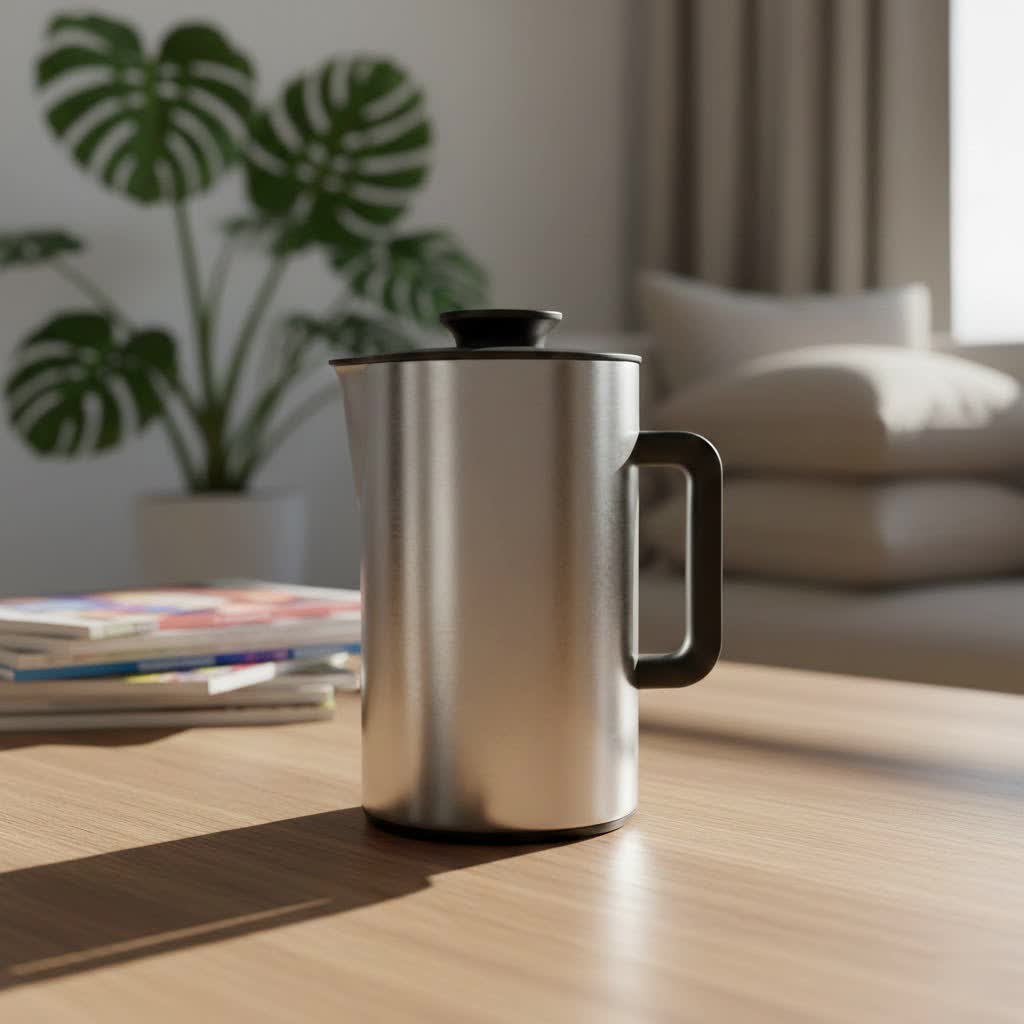
Imagine the rich aroma of freshly brewed coffee, topped with a velvety cloud of perfectly frothed milk, all crafted in your own kitchen. Achieving that barista-quality experience hinges on one often-overlooked hero: the milk frother cup. More than just a container, the right milk frother cup is an essential tool that elevates your daily coffee ritual, transforming ordinary milk into luxurious foam for lattes, cappuccinos, and more.
What is a Milk Frother Cup and Why Do You Need One?
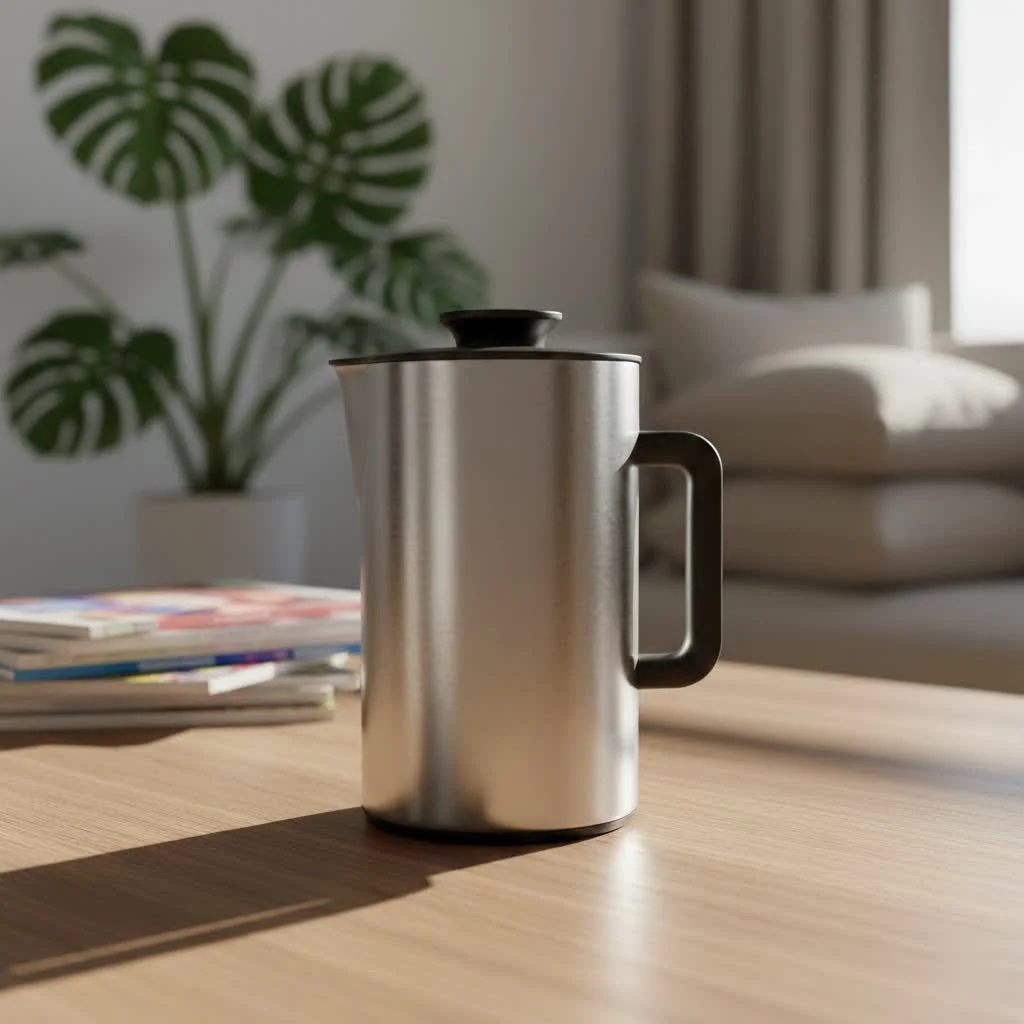
A milk frother cup, often referred to as a frothing pitcher or jug, is a specialized vessel designed to hold and prepare milk for frothing. While some automatic milk frothers come with an integrated cup, the term most commonly refers to the stainless steel pitchers used by baristas and home coffee enthusiasts alike to steam milk using an espresso machine’s steam wand, or simply to contain milk while using a handheld frother.
The primary purpose of a milk frother cup is to facilitate the aeration and heating of milk, creating a smooth, creamy texture known as microfoam. This microfoam is what gives lattes and cappuccinos their signature mouthfeel and is crucial for creating stunning latte art. Using a dedicated frother cup at home offers several benefits: it saves you money on daily coffee shop visits, provides the convenience of customizing your drinks, and allows for endless creativity with different milk types and designs. Common beverages that rely on frothed milk include cappuccinos, lattes, flat whites, macchiatos, and even hot chocolate.
Exploring the Different Types of Milk Frother Cups
The world of milk frother cups is diverse, each type catering to different frothing methods and preferences. Understanding these variations is key to finding your ideal companion for creamy beverages.
1. Stainless Steel Frothing Pitchers (for Steam Wands)
These are the quintessential milk frother cups, found in virtually every coffee shop. Crafted primarily from food-grade stainless steel, these pitchers are designed for use with the steam wand of an espresso machine. Their robust construction allows them to withstand high temperatures, while their specific spout designs are critical for pouring intricate latte art. They come in various sizes, allowing you to froth milk for a single shot or multiple servings.
- Advantages: Excellent control over milk texture and temperature, essential for latte art, highly durable, and often dishwasher-safe.
- Disadvantages: Requires an espresso machine with a steam wand, a learning curve for beginners to master technique.
2. Integrated Cups in Automatic Electric Frothers
Many electric milk frothers feature a self-contained cup where the milk is heated and frothed automatically. These cups are usually non-stick coated internally, making them easy to clean, and often have measurement lines for precise filling. The frothing mechanism is built directly into the base or lid, simplifying the process considerably.
- Advantages: Fully automatic, heats and froths simultaneously, easy to use for consistent results, often offers multiple froth settings (hot foam, cold foam, warm milk).
- Disadvantages: Less control over microfoam texture compared to steam wands, generally higher cost, limited capacity.
3. Simple Frothing Vessels (for Handheld Wands)
While not a “frother cup” in the specialized sense, any tall, narrow cup or mug can serve as a frothing vessel when using a handheld battery-operated milk frother. The shape helps contain splashes and guides the frother’s whisk to aerate the milk effectively. These are the most basic and flexible options for home users without an espresso machine or automatic frother.
- Advantages: Extremely versatile (uses any appropriate mug), affordable (only the handheld frother is an investment), portable.
- Disadvantages: Manual heating of milk required (if warm froth is desired), foam quality can be less consistent, no integrated features.
Comparing Different Milk Frother Cup Types
|
Our Picks for the Best Milk Frother in 2026
As an Amazon Associate I earn from qualifying purchases.
|
||
| Num | Product | Action |
|---|---|---|
| 1 | Maestri House Rechargeable Milk Frother with Stand, LunaFro Handheld Electric Foam Maker Waterproof Detachable Stainless Steel Whisk Drink Mixer Foamer for Lattes, Cappuccino |

|
| 2 | Nespresso Aeroccino 3 Milk Frother, Black, Steel |
|
| 3 | Zulay Kitchen Milk Frother Handheld Electric Whisk with AA Duracell Batteries – Durable Drink Mixer for Coffee, Lattes, Cappuccinos & More - Black |
|
| 4 | Milk Frother, 4-in-1 Milk Frother and Steamer, 10.6oz Electric Milk Steamer, Automatic Cold and Hot Foam maker for Lattes, Cappuccinos, Ceramic Lining Interior (Polished) |
|
| 5 | Zulay Powerful Milk Frother for Coffee with Upgraded Titanium Motor - Handheld Electric Whisk, Milk Foamer, Mini Mixer & Coffee Blender for Frappe, Latte, Matcha, No Stand - Silver |
|
| 6 | Milk Frother, 4-in-1 Electric Milk Steamer, 350ml/11.8oz Automatic Frother Machine for Coffee, Warm and Cold Foam, Temperature Control for Latte, Cappuccino, Hot Chocolate |
|
| 7 | Nespresso Aeroccino 4 Milk Frother |
|
| 8 | Milk Frother Automatic, Electric Milk Frother and Steamer Removable Dishwasher Safe, Electromagnetic Heating, for Latte, Cappuccino, Chocolate Milk, Hot & Cold Foam, |
|
| 9 | Keurig SimpleCafe Frother, Rechargeable Handheld Milk Frother for Lattes, Cappuccinos & Iced Coffee, USB Cord Included, Microwave-Safe Frothing Cup, Hot & Cold Foam Maker |
|
| 10 | Zulay Kitchen Powerful Milk Frother Wand With 2 Duracell Batteries - Ultra Fast Handheld Drink Mixer - Electric Whisk Foam Maker for Coffee, Lattes, Cappuccino, Matcha, Hot Chocolate & Creamer - Black |
|
| Feature | Stainless Steel Pitcher (Steam Wand) | Integrated Cup (Automatic Electric) | Simple Vessel (Handheld Wand) |
|---|---|---|---|
| Price Range | Low to Medium | Medium to High | Very Low (for the cup) |
| Convenience | Medium (requires espresso machine) | High (one-touch operation) | High (portable, uses existing cups) |
| Foam Quality | Professional-grade microfoam | Good, consistent foam | Variable, often airy foam |
| Durability | High (stainless steel) | Medium (internal coatings can wear) | High (if using durable mug) |
| Cleaning | Easy to rinse, often dishwasher safe | Medium (care for internal coatings) | Easy (like any mug) |
| Latte Art | Excellent (designed for it) | Limited to none | Limited to none |
| Heating | Via espresso machine steam wand | Integrated heating | Manual (stovetop/microwave) |
How to Choose the Right Milk Frother Cup for You
Selecting the perfect milk frother cup involves considering your coffee habits, existing equipment, and desired outcomes.
- Determine Your Primary Needs:
- Latte Art Enthusiast: A stainless steel frothing pitcher is non-negotiable for precise pouring and fine microfoam. Consider pitchers with specific spout designs (wide for beginners, narrow for control) and ergonomic handles.
- Convenience Seeker: If you want minimal fuss and consistent foam with the press of a button, an automatic electric frother with its integrated cup is ideal.
- Budget-Conscious & Occasional Frother: A simple, tall mug combined with a handheld frother offers an affordable entry point for occasional frothed drinks.
- Volume: Consider how many drinks you typically make. Pitchers range from 200ml for single cortados to 600ml or more for multiple lattes.
- Consider Your Budget: Stainless steel pitchers are generally the most affordable, followed by handheld frothers. Automatic electric frothers represent a mid-to-high-range investment.
- Look for Essential Features:
- Material: Stainless steel is durable, easy to clean, and provides good temperature feedback (for steam wands). For automatic frothers, ensure non-stick coatings are robust.
- Spout Design: Crucial for latte art. A pointed spout offers precision, while a wider spout can be more forgiving.
- Capacity: Match the cup size to your typical drink volume to avoid waste and ensure proper frothing.
- Measurement Lines: Internal markings help you pour just the right amount of milk, minimizing waste.
- Ease of Cleaning: Dishwasher-safe components or easy-to-wipe non-stick surfaces are a significant plus.
Top Milk Frother Cups for Home Baristas
While specific brand recommendations can vary, certain types and features consistently receive high praise from home baristas.
For those using an espresso machine, stainless steel frothing pitchers with a good balance of weight, a comfortable handle, and a well-designed spout are paramount. Many popular models are made from 304 food-grade stainless steel for durability and heat retention. Look for pitchers that allow for precise temperature control by feel, and whose spout designs facilitate various latte art patterns, from simple hearts to more complex rosettas. The alignment of the handle with the spout is often cited as a key indicator of quality for symmetrical pours.
When it comes to automatic electric frothers, the “cup” component is integral to the machine’s performance. The best ones offer multiple whisk attachments for different foam textures (airy foam vs. dense microfoam) and precise temperature settings. A durable non-stick interior coating is essential for easy cleaning and longevity. These integrated cups are often praised for their ability to handle various milk types, including plant-based alternatives, with impressive consistency.
For manual frothing, the “cup” is less about specialized design and more about practicality. A tall, narrow mug or small pitcher that allows the handheld frother’s whisk head to be fully submerged without splashing is ideal. Glass or ceramic mugs work well, as they are easy to clean and allow you to see the frothing process.
Mastering Your Milk Frother Cup: Tips for Perfect Froth
Achieving perfect frothed milk is an art and a science, but with a few tips, you’ll be pouring like a pro in no time.
1. Choose the Right Milk
The type of milk significantly impacts froth quality. Whole milk, with its higher fat content, generally produces the richest and most stable foam. However, 2% milk also froths very well. For non-dairy options, oat milk and some almond milk varieties are specifically formulated for frothing, often labeled “barista blend,” offering excellent texture. Experiment to find your favorite!
2. Ideal Temperature is Key
For hot frothed milk, the ideal temperature range is between 130°F and 150°F (55°C-65°C). Milk that is too cold won’t froth effectively, while milk that’s too hot (above 160°F or 70°C) can scald, resulting in a burnt taste and degraded texture. Automatic frothers typically manage this automatically, but for steam wands or handheld frothers, a thermometer can be a helpful guide until you learn to judge by touch.
3. Don’t Overfill Your Cup
Whether using a frothing pitcher with a steam wand, an automatic frother, or a simple mug with a handheld device, never fill your milk frother cup more than halfway. Milk expands significantly when frothed, often doubling in volume. Leaving enough headspace prevents spills and allows for proper aeration.
4. Master the Technique
- For Handheld Frothers: Submerge the whisk head just below the milk’s surface. Turn it on and gently move it up and down, slowly drawing air into the milk. Froth for about 20-30 seconds, or until the milk has doubled in volume and reached your desired consistency.
- For Espresso Machine Steam Wands: Submerge the tip of the wand just below the milk’s surface, angling the pitcher slightly. Listen for a gentle “tearing paper” sound, indicating air is being introduced. Once the milk volume has increased (the “stretching” phase), submerge the wand deeper to create a “whirlpool” effect, integrating the air and heating the milk (the “texturing” phase). Stop when the pitcher is almost too hot to touch.
5. Swirl and Tap
After frothing, gently tap the bottom of the frother cup on a counter to eliminate any large, visible bubbles. Then, swirl the milk in the pitcher. This helps integrate the foam and creates that glossy, velvety microfoam perfect for pouring.
Cleaning and Maintenance for Longevity
Proper cleaning is vital for the hygiene and longevity of your milk frother cup.
- Immediate Rinse: Always rinse your frother cup immediately after use with warm water. Dried milk is much harder to remove and can harbor bacteria.
- For Stainless Steel Pitchers: Most are dishwasher safe. For hand washing, use warm, soapy water and a soft sponge. Pay attention to the spout and handle crevices.
- For Automatic Frother Cups: Check manufacturer instructions. Many have non-stick interiors that require gentle hand washing with a soft cloth and mild detergent. Avoid abrasive scrubbers that can damage the coating.
- For Handheld Wands: Simply rinse the whisk head under running water while briefly activating it to dislodge milk residue. Wipe the handle clean with a damp cloth.
Conclusion
The milk frother cup, in its various forms, is an indispensable tool for anyone aspiring to create café-quality beverages at home. From the precise control offered by a stainless steel frothing pitcher used with a steam wand to the effortless convenience of an automatic electric frother’s integrated cup, or the simple utility of a mug with a handheld whisk, there’s a perfect option for every coffee lover. By understanding the different types, selecting the right one for your needs, and mastering a few simple techniques, you can unlock a world of creamy, frothy delights.
So, which milk frother cup will you choose to elevate your coffee experience today?
Frequently Asked Questions
Can I use any cup as a milk frother cup with a handheld frother?
While you can use almost any tall, narrow mug, opting for one with sufficient height and a comfortable grip will prevent splashes and make the frothing process easier and more effective, ensuring your handheld frother works optimally.
How much milk should I put in a milk frother cup?
As a general rule, fill your milk frother cup no more than halfway. This allows ample room for the milk to expand as it froths, often doubling in volume, without overflowing and creating a mess.
What is the best material for a milk frother cup used with a steam wand?
Stainless steel (especially 304 food-grade) is widely considered the best material for frothing pitchers used with steam wands. It’s durable, hygienic, excellent at heat conduction (allowing you to feel the milk temperature), and helps create stable microfoam crucial for latte art.
Get our weekly buyer guide
Practical specs, not advice. Unsubscribe anytime.
