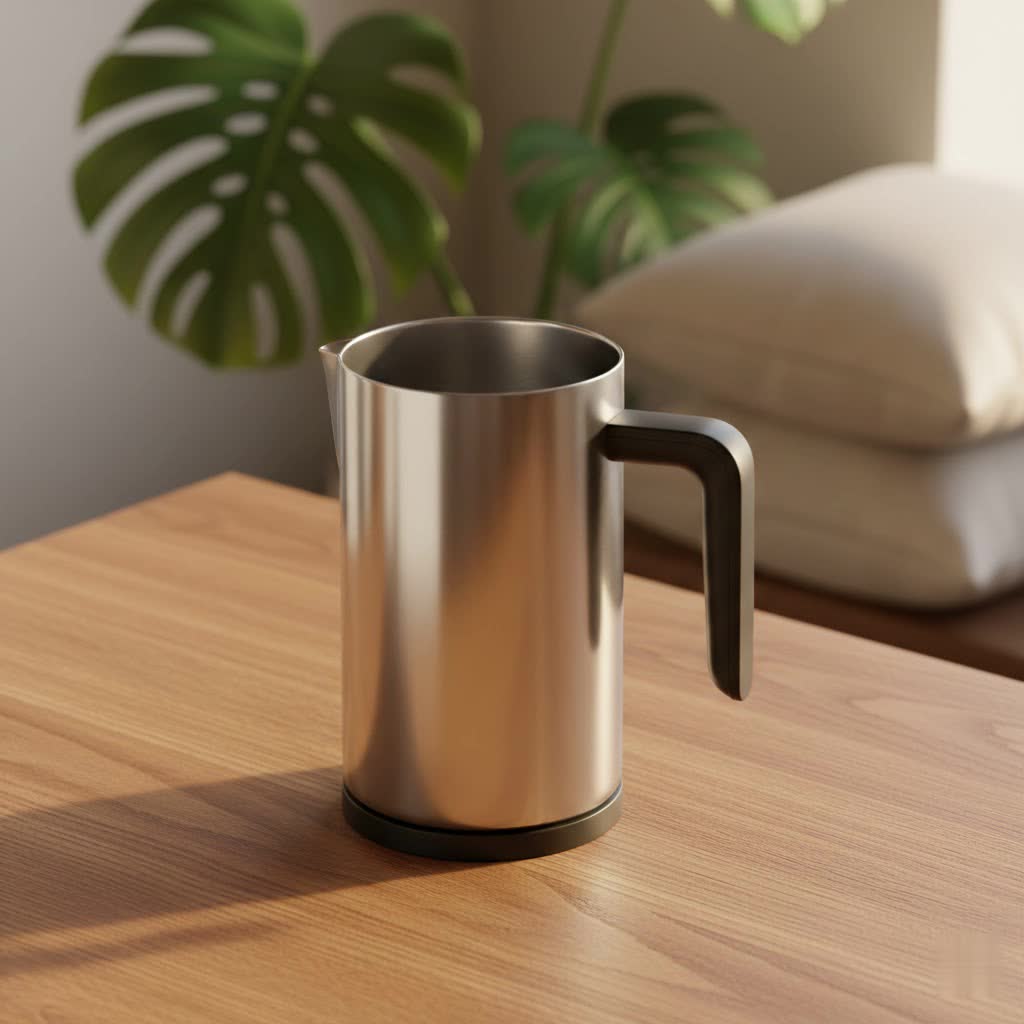
A milk frother machine transforms everyday beverages into extraordinary experiences by aerating milk to create light, creamy foam for lattes, cappuccinos, and hot chocolates. These devices offer significant cost savings over time compared to cafe drinks, provide convenience for crafting frothy beverages at home, and encourage creativity with different milk types and recipes.
What is a Milk Frother and Why Do You Need One?
A milk frother is a kitchen appliance designed to aerate milk, injecting tiny air bubbles to create a light, creamy, and frothy texture. It essentially transforms ordinary milk or plant-based alternatives into a silky foam, similar to what you’d find at a high-end coffee shop.
The benefits of owning a milk frother at home are numerous. Firstly, it offers significant cost savings over time by reducing your dependence on expensive cafe drinks. Secondly, it provides unparalleled convenience, allowing you to whip up your favorite frothy beverages whenever the craving strikes, without leaving your house. Lastly, a milk frother encourages creativity, empowering you to experiment with different milk types, temperatures, and drink recipes. Popular frothy beverages include classic cappuccinos, smooth lattes, rich macchiatos, and luxurious hot chocolates.
Exploring the Popular Types of Milk Frother Machines
The market offers a diverse range of milk frothers, each with unique advantages and disadvantages. Understanding these differences is key to finding the best fit for your lifestyle.
Handheld Milk Frothers
These are compact, battery-operated wands with a small whisk at the end. They are typically the most affordable and portable option.
- Pros: Extremely budget-friendly, highly portable (great for travel or office), quick to clean, offers good control over froth consistency (with practice).
- Cons: Does not heat milk (requires pre-heating), entirely manual operation, foam quality can be inconsistent initially, usually only suitable for single servings.
- How to Use: Heat your milk separately to 130-150°F (54-66°C). Submerge the whisk head just below the milk’s surface in a tall, narrow container. Turn it on and move it gently up and down for 20-30 seconds until the milk doubles in volume.
Electric Milk Frothers
These countertop machines are automatic or semi-automatic, heating and frothing milk at the touch of a button. They are a popular choice for their ease of use.
- Pros: Fully automatic operation, heats milk while frothing, consistent foam quality, often includes settings for different foam types (hot, cold, thick, light), easy to clean (many have non-stick interiors and dishwasher-safe parts).
- Cons: Higher price point than handheld models, less portable due to size and power requirements.
- Types: Some are integrated with espresso machines, while standalone models are designed solely for frothing and heating milk.
Steam Wand Frothers
|
Our Picks for the Best Milk Frother in 2026
As an Amazon Associate I earn from qualifying purchases.
|
||
| Num | Product | Action |
|---|---|---|
| 1 | Nespresso Aeroccino 4 Milk Frother |

|
| 2 | Zulay Kitchen Milk Frother Handheld Electric Whisk with AA Duracell Batteries – Durable Drink Mixer for Coffee, Lattes, Cappuccinos & More - Black |
|
| 3 | Milk Frother, 4-in-1 Electric Milk Steamer, 350ml/11.8oz Automatic Frother Machine for Coffee, Warm and Cold Foam, Temperature Control for Latte, Cappuccino, Hot Chocolate |
|
| 4 | Zulay Powerful Milk Frother for Coffee with Upgraded Titanium Motor - Handheld Electric Whisk, Milk Foamer, Mini Mixer & Coffee Blender for Frappe, Latte, Matcha, No Stand - Silver |
|
| 5 | Milk Frother Automatic, Electric Milk Frother and Steamer Removable Dishwasher Safe, Electromagnetic Heating, for Latte, Cappuccino, Chocolate Milk, Hot & Cold Foam, |
|
| 6 | Milk Frother, 4-in-1 Milk Frother and Steamer, 10.6oz Electric Milk Steamer, Automatic Cold and Hot Foam maker for Lattes, Cappuccinos, Ceramic Lining Interior (Polished) |
|
| 7 | Zulay Kitchen Powerful Milk Frother Wand With 2 Duracell Batteries - Ultra Fast Handheld Drink Mixer - Electric Whisk Foam Maker for Coffee, Lattes, Cappuccino, Matcha, Hot Chocolate & Creamer - Black |
|
| 8 | Nespresso Aeroccino 3 Milk Frother, Black, Steel |
|
| 9 | Keurig SimpleCafe Frother, Rechargeable Handheld Milk Frother for Lattes, Cappuccinos & Iced Coffee, USB Cord Included, Microwave-Safe Frothing Cup, Hot & Cold Foam Maker |
|
| 10 | Maestri House Rechargeable Milk Frother with Stand, LunaFro Handheld Electric Foam Maker Waterproof Detachable Stainless Steel Whisk Drink Mixer Foamer for Lattes, Cappuccino |
|
Typically found integrated into espresso machines, steam wands use pressurized steam to simultaneously heat and froth milk.
- Pros: Produces the finest, silkiest microfoam ideal for latte art, offers maximum control for experienced users, can heat large quantities of milk quickly.
- Cons: Requires an espresso machine, significant learning curve to master technique, more difficult to clean than other types.
- How to Use: Purge the wand, then submerge the tip just below the milk surface in a stainless steel pitcher. Angle the pitcher to create a whirlpool, frothing until the milk reaches 140-150°F (60-66°C). Tap and swirl the pitcher to remove large bubbles.
Comparative Overview of Milk Frother Types
To help visualize the differences, here’s a quick comparison:
| Feature | Handheld Frother | Electric Frother | Steam Wand Frother |
|---|---|---|---|
| Price | Low | Medium to High | High (integrated with espresso machine) |
| Convenience | High (portable) | Very High (automatic) | Medium (manual technique required) |
| Froth Quality | Medium | High | Very High (microfoam) |
| Heating | No (milk pre-heated) | Yes (integrated) | Yes (integrated) |
| Portability | Excellent | Poor | N/A (fixed to machine) |
| Cleaning | Easy | Medium to Easy | Medium to Difficult |
Your Guide to Choosing the Right Milk Frother Machine
Selecting the perfect milk frother involves considering your specific needs, budget, and desired features.
-
Define Your Usage Needs:
- Frequency and Quantity: If you’re making multiple drinks daily, an electric frother with a larger capacity might be ideal. For occasional, single servings or on-the-go use, a handheld frother is more practical.
- Drink Preference: Do you mostly enjoy hot lattes, cold foam iced coffees, or perfectly frothed matcha? Ensure the frother supports your favorite preparations. Electric models often offer diverse settings for hot, warm, and cold foam.
- Desired Foam Texture: If you aspire to latte art, a steam wand or a high-quality electric frother producing fine microfoam is essential. For simple airy foam, a handheld model will suffice.
-
Set Your Budget: Milk frothers range from under $20 for basic handheld wands to several hundred dollars for high-end electric models or integrated espresso machines. Determine what you’re willing to invest to narrow down your options.
-
Essential Features to Consider:
- Temperature Control: Many electric frothers allow you to set the precise temperature for your milk, ensuring it’s never too hot or too cold.
- Froth Settings: Look for options for “hot thick foam,” “hot light foam,” “cold foam,” or simply “hot milk” if versatility is important.
- Milk Compatibility: With the rise of plant-based milks, check if the frother performs well with alternatives like oat, almond, or soy milk. Barista-blend alternative milks often yield the best results.
- Ease of Cleaning: Frothers with non-stick interiors and dishwasher-safe components simplify cleanup significantly. Some detachable pitchers on electric models are fully dishwasher-safe, which is a huge plus.
- Capacity: Consider how much milk you need to froth at once. Capacities can range from a few ounces for a single drink to over 20 ounces for multiple servings.
- Noise Level: Some frothers operate more quietly than others, a valuable feature for early mornings.
> “The ideal milk frother for one person may not be the ideal milk frother for you. Choosing the right milk frother comes down to a few key factors about how it fits into your specific lifestyle and the type of foam you prefer.” – Yvette Johnstone, Tasting Table
Top Milk Frothers for Every Home Barista
While specific product recommendations are best left to detailed reviews, here are some highly-regarded categories and features to look for across popular brands:
- Best Overall Value: Look for electric frothers that offer multiple settings (hot/cold foam, varying densities) and handle both dairy and non-dairy milks effectively, often around the $30-$60 range. Brands like Instant Pot often feature models with a good balance of performance and price.
- High-End Performance: For those seeking premium quality and advanced features like precise temperature control and multiple whisk attachments, be prepared for a higher investment (typically $100-$200+). Nespresso Aeroccino and Breville Milk Cafe are often cited for their superior microfoam and versatility.
- Portable & Simple: Handheld frothers remain popular for their convenience and affordability. Seek models with dual-speed settings for better control and durable, rust-resistant whisks.
When comparing products, prioritize models known for producing a smooth, velvety microfoam that holds its texture. Pay attention to user reviews regarding ease of use, durability, and quiet operation.
Essential Tips for Using and Maintaining Your Milk Frother
Getting the most out of your milk frother involves a few simple techniques and proper care.
How to Achieve Perfect Froth
- Choose the Right Milk: Whole milk generally produces the richest, most stable foam due to its fat and protein content. For non-dairy options, oat milk (especially barista blends) is often recommended for its excellent frothing capabilities. Skim milk froths quickly but creates a lighter, airier foam.
- Ideal Milk Temperature: For hot froth, milk should typically be between 130°F to 150°F (54-66°C). If it’s too cold, it won’t foam well; too hot (above 160°F or 71°C), and it can scald, affecting taste and texture. Many automatic frothers handle this for you. For handheld or manual frothers, pre-heat your milk to this range.
- Frothing Technique (General):
- Fill Correctly: Always adhere to the minimum and maximum fill lines on your frother to prevent overflow and ensure optimal frothing.
- Position the Whisk: For handheld wands, submerge the whisk head just below the milk’s surface. For steam wands, position the tip slightly below the surface near the side of the pitcher.
- Incorporate Air: Activate the frother and, for manual methods, use gentle, vertical motions to introduce air. For steam wands, create a whirlpool effect.
- Watch for Volume/Texture: Froth until the milk doubles in volume and achieves a light, creamy texture with fine bubbles.
- Refine the Foam: For steam-frothed milk, gently tap the pitcher on the counter to pop any large bubbles, then swirl to integrate the microfoam.
Maintenance and Cleaning Tips
- Clean Immediately: Milk residues can harden quickly, making cleanup difficult. Rinse your frother’s whisk or pitcher immediately after each use.
- Handheld Frothers: Spin the whisk in soapy water, then rinse thoroughly. Ensure the battery compartment stays dry.
- Electric Frothers: Many come with non-stick interiors that can be wiped clean with a damp cloth. Check if the pitcher or whisk attachments are dishwasher-safe. For non-dishwasher-safe components, handwash with warm, soapy water.
- Steam Wands: Always purge the steam wand after use to clear any milk residue. Wipe it down with a damp cloth immediately.
- Avoid Submerging Electronic Parts: Never submerge the electrical base of an electric frother or the handle of a handheld frother in water.
Conclusion
A milk frother machine is a major upgrade for anyone looking to elevate their daily coffee ritual. Whether you prefer the simplicity of a handheld wand, the convenience of an automatic electric frother, or the artistry of a steam wand, there’s a perfect device waiting to improve your kitchen into your personal cafe. By understanding the different types, considering your unique needs, and following simple usage and maintenance tips, you can enjoy perfectly frothed milk for your favorite beverages every single day.
Which type of milk frother will you choose to embark on your home barista journey?
Frequently Asked Questions
What is the primary purpose of a milk frother?
A milk frother is designed to aerate milk by incorporating tiny air bubbles, which creates foam. This foam enhances the texture of beverages like lattes and cappuccinos and blends smoothly with coffee, elevating the overall drinking experience at home.
How do you typically use a milk frother for coffee?
To froth milk for coffee, you usually heat milk to an ideal temperature of 130°F to 150°F. Then, using your chosen frother (handheld, automatic, or steam wand), you introduce air to create foam. Once the milk achieves a silky, expanded texture, it’s ready to be poured over your espresso or coffee.
Is there a difference between a “coffee frother” and a “milk frother”?
No, there is no functional difference. “Coffee frother” is simply another term used for a milk frother when it’s specifically used to prepare frothed milk for coffee drinks. They refer to the same device designed to aerate milk.
How exactly does a milk frother create foam?
Milk frothers work by rapidly agitating milk to incorporate air. This can be achieved through mechanical spinning (as in handheld wands and electric frothers with internal whisks) or by using pressurized steam (as with espresso machine steam wands). This action creates the microfoam or larger bubbles that give drinks their signature texture.
Is investing in a milk frother truly worthwhile for a home user?
Absolutely. A milk frother is often considered one of the most impactful and affordable tools to significantly enhance your at-home coffee experience. It enables you to effortlessly recreate cafe-quality drinks, bringing professional results, convenience, and satisfaction to your daily routine.
Achieve Perfect Froth with Your Milk Frother
Follow these steps to get the best frothing results for your coffee beverages using any type of milk frother.
Select whole milk for the richest, most stable foam due to its fat and protein content. For non-dairy options, barista-blend oat milk is often recommended for its excellent frothing capabilities.
For hot froth, ensure your milk is between 130u00b0F to 150u00b0F (54-66u00b0C). Milk that is too cold won't foam well, and milk above 160u00b0F (71u00b0C) can scald, affecting taste and texture.
Always adhere to the minimum and maximum fill lines on your frother to prevent overflow and ensure optimal frothing. Submerge the whisk head of a handheld wand just below the milk's surface, or position a steam wand tip slightly below the surface near the side of the pitcher.
Activate the frother and use gentle, vertical motions for manual methods to introduce air. For steam wands, create a whirlpool effect. Froth until the milk doubles in volume and achieves a light, creamy texture with fine bubbles.
For steam-frothed milk, gently tap the pitcher on the counter to pop any large bubbles, then swirl to integrate the microfoam. This step helps create a smooth, velvety texture ideal for latte art.
Get our weekly buyer guide
Practical specs, not advice. Unsubscribe anytime.

This little machine has seriously elevated my morning routine. I love experimenting with different recipes and making fancy drinks at home now. The convenience of having cafe-quality foam in seconds is amazing, and it’s so much fun to use. Definitely recommend for anyone who loves frothy beverages!
I finally caved and bought one of the handheld frothers mentioned, and it’s a game changer! I used to spend so much at the local coffee shop for my daily latte, but now I can make perfect foam for a fraction of the cost. It works great with almond milk too, which is a big plus for me. Super easy to clean and store.
I got one of the automatic frother machines, and it’s pretty good. The foam is consistently creamy, and it heats the milk perfectly for my cappuccinos. My only minor complaint is that the non-stick coating on the inside seems a little delicate, so I’m extra careful when washing it. Still, way better than trying to whisk milk by hand!
I tried the induction frother, hoping for a really thick foam for my hot chocolates. While it does a decent job, I found the foam wasn’t quite as dense as I’d hoped for. It’s still good for lattes, but if you’re looking for super stiff peaks, you might need to experiment with different milk types. It’s quiet though, which is nice.