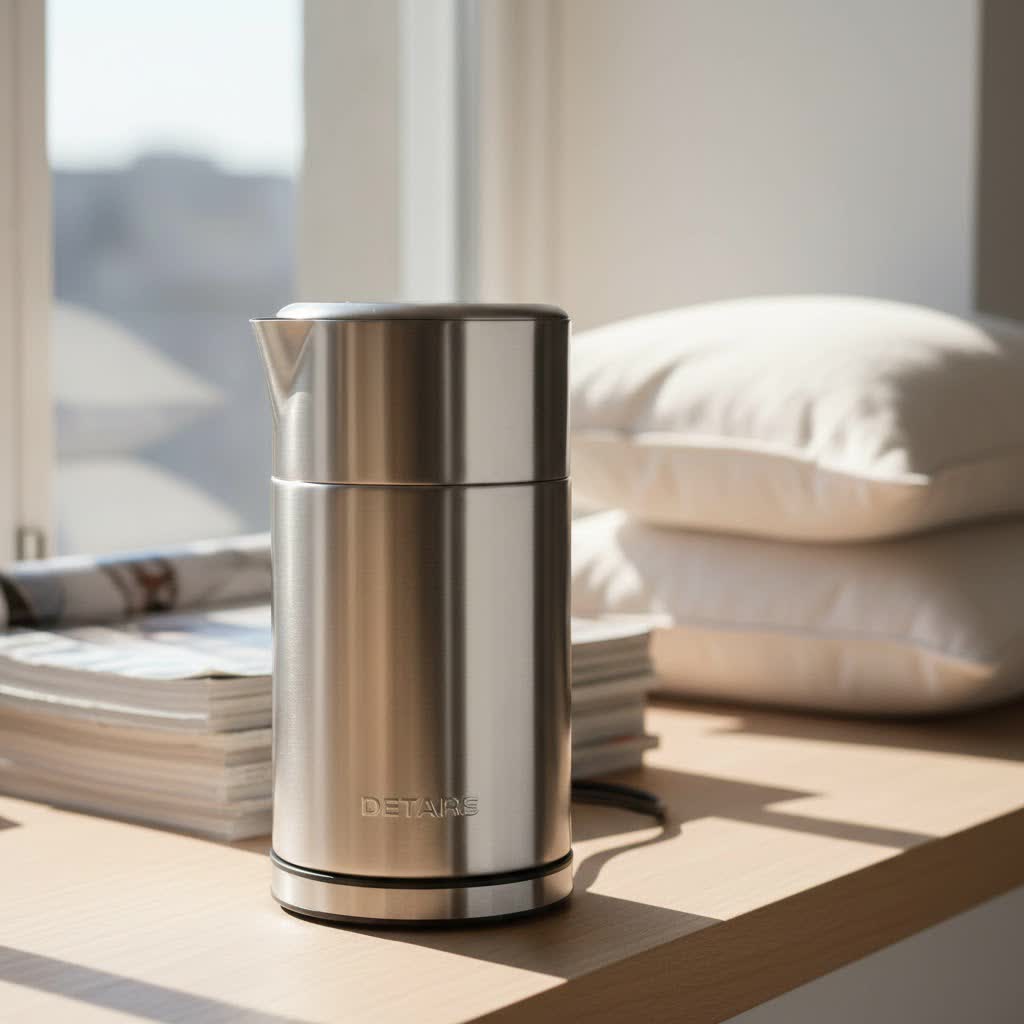
Have you ever dreamt of a perfectly smooth, frothy matcha latte or a ceremonial bowl of vibrant green tea without a single clump? Achieving that café-quality beverage at home might seem daunting, but with the right tools, it’s surprisingly simple. A milk frother, a versatile kitchen gadget often associated with coffee, can be an absolute major upgrade for anyone passionate about matcha. This comprehensive guide will explore everything you need to know about using a milk frother to unlock the full potential of your matcha experience, from whisking the powder to creating luscious lattes.
What is a Milk Frother and Why You Need One for Matcha?
A milk frother is an appliance designed to aerate milk, creating light, airy foam or creamy microfoam. While primarily known for enhancing coffee drinks like cappuccinos and lattes, its utility extends beautifully to the world of matcha. For matcha enthusiasts, a milk frother offers a dual benefit: it can effectively whisk matcha powder into hot water to eliminate lumps, and it can perfectly froth milk to create delightful matcha lattes.
The benefits of incorporating a milk frother into your home matcha ritual are numerous. It saves time and effort compared to traditional whisking methods, ensuring a consistently smooth and lump-free matcha base. It allows you to easily create a luxurious, creamy texture for your lattes, transforming an everyday drink into a gourmet treat. From classic matcha lattes to creative concoctions, a good frother opens up a world of delicious possibilities right in your kitchen.
Exploring the Popular Types of Milk Frothers for Matcha
The market offers a variety of milk frothers, each with distinct features suitable for different needs. Understanding these types will help you choose the best one for your matcha journey.
Handheld Milk Frothers
Handheld frothers are compact, battery-operated devices featuring a small whisk at the end. They are the most affordable and portable option, making them excellent for quick use and travel.
- Advantages: Portability, affordability, ease of storage, quick whisking. They are particularly good for rapidly combining matcha powder with water or milk, breaking up clumps efficiently.
- Disadvantages: Requires manual effort to hold, less consistent foam than electric models, no heating function. You control the frothing duration and intensity, which can be a pro for experienced users but a con for beginners seeking consistency.
- Usage: Simply immerse the whisk head into your matcha mixture or milk and activate. Move it gently to create froth or dissolve powder.
Electric Milk Frothers
|
Our Picks for the Best Milk Frother in 2026
As an Amazon Associate I earn from qualifying purchases.
|
||
| Num | Product | Action |
|---|---|---|
| 1 | Zulay Kitchen Milk Frother Handheld Electric Whisk with AA Duracell Batteries – Durable Drink Mixer for Coffee, Lattes, Cappuccinos & More - Black |

|
| 2 | Keurig SimpleCafe Frother, Rechargeable Handheld Milk Frother for Lattes, Cappuccinos & Iced Coffee, USB Cord Included, Microwave-Safe Frothing Cup, Hot & Cold Foam Maker |
|
| 3 | Zulay Kitchen Powerful Milk Frother Wand With 2 Duracell Batteries - Ultra Fast Handheld Drink Mixer - Electric Whisk Foam Maker for Coffee, Lattes, Cappuccino, Matcha, Hot Chocolate & Creamer - Black |
|
| 4 | Maestri House Rechargeable Milk Frother with Stand, LunaFro Handheld Electric Foam Maker Waterproof Detachable Stainless Steel Whisk Drink Mixer Foamer for Lattes, Cappuccino |
|
| 5 | Milk Frother Automatic, Electric Milk Frother and Steamer Removable Dishwasher Safe, Electromagnetic Heating, for Latte, Cappuccino, Chocolate Milk, Hot & Cold Foam, |
|
| 6 | Milk Frother, 4-in-1 Electric Milk Steamer, 350ml/11.8oz Automatic Frother Machine for Coffee, Warm and Cold Foam, Temperature Control for Latte, Cappuccino, Hot Chocolate |
|
| 7 | Zulay Powerful Milk Frother for Coffee with Upgraded Titanium Motor - Handheld Electric Whisk, Milk Foamer, Mini Mixer & Coffee Blender for Frappe, Latte, Matcha, No Stand - Silver |
|
| 8 | Milk Frother, 4-in-1 Milk Frother and Steamer, 10.6oz Electric Milk Steamer, Automatic Cold and Hot Foam maker for Lattes, Cappuccinos, Ceramic Lining Interior (Polished) |
|
| 9 | Nespresso Aeroccino 4 Milk Frother |
|
| 10 | Nespresso Aeroccino 3 Milk Frother, Black, Steel |
|
Electric frothers are typically countertop units that can automatically heat and froth milk. Some advanced models also offer cold frothing options.
- Advantages: Hands-free operation, consistent and dense foam, often includes a heating element for perfectly warm milk. They are ideal for creating professional-quality matcha lattes with minimal effort. Some models are specifically designed to be powerful enough for whisking matcha powder effectively.
- Disadvantages: Higher price point, takes up more counter space, generally less portable. They often come with different settings for various foam textures.
- Usage: Add milk to the carafe, select your desired setting, and press a button. For matcha, you might whisk the matcha powder separately with a small amount of water before adding frothed milk, or some robust electric frothers can even handle whisking matcha directly with milk.
Steam Wands (Espresso Machine Frothers)
Typically found on espresso machines, steam wands use high-pressure steam to heat and aerate milk simultaneously.
- Advantages: Produces very fine, velvety microfoam ideal for latte art; heats milk quickly. This is the go-to for true barista-quality milk.
- Disadvantages: Requires an espresso machine, significant learning curve, difficult to clean initially. While excellent for frothing milk for a matcha latte, they are not suitable for whisking matcha powder itself.
- Usage: Requires practice to master the technique of steaming milk to the correct temperature and texture.
Comparison of Milk Frother Types
| Feature | Handheld Frother | Electric Frother | Steam Wand |
|---|---|---|---|
| Price | Low | Medium to High | High (requires espresso machine) |
| Convenience | High (portable, quick) | Medium (automatic) | Low (learning curve) |
| Foam Quality | Medium | High (consistent) | Very High (microfoam) |
| Durability | Medium | High | High |
| Cleaning | Easy | Medium (carafe needs care) | Difficult (requires purging) |
How to Choose the Right Milk Frother for Your Matcha Journey
Selecting the perfect milk frother for your matcha needs involves considering several factors to ensure it aligns with your lifestyle and desired results.
First, identify your usage needs. How often will you make matcha? Do you primarily want to whisk matcha powder for traditional tea, or are you focused on creating creamy matcha lattes? If you need portability for office or travel, a handheld frother is ideal. For daily, hands-free convenience at home, an electric frother might be a better fit.
Next, consider your budget. Handheld frothers are the most economical choice, while electric frothers offer more features at a mid to high-range price. Steam wands come with the highest investment due to their integration with espresso machines.
Finally, evaluate essential features. Look for frothers with powerful whisking capabilities if you plan to use them for dissolving matcha powder directly. Stainless steel construction is a plus for durability and hygiene. Features like adjustable temperature settings, multiple frothing modes (for different foam consistencies), and ease of cleaning (dishwasher-safe parts or non-stick coatings) significantly enhance the user experience. Reading user reviews can also provide valuable insights into real-world performance and reliability.
Top Milk Frother Considerations for Matcha Enthusiasts
While specific model recommendations can vary, certain features and types of milk frothers consistently receive praise for their performance with matcha. When looking for the best frother, prioritize those that offer robust whisking power to ensure your matcha powder is thoroughly dissolved, preventing any gritty residue.
Many matcha lovers prefer handheld electric frothers due to their precise control and ability to quickly whisk matcha directly in a bowl or cup, creating a smooth, lump-free base. Look for models with strong motors and durable stainless steel whisks. For those who enjoy creamy matcha lattes, automatic electric frothers that heat and froth milk simultaneously are highly valued. The best ones offer consistent, fine-textured foam, transforming your beverage into a luxurious treat. Some advanced models even have settings for cold foam, perfect for iced matcha lattes. Prioritize frothers that are easy to clean, as matcha can sometimes leave a slight residue. Stainless steel interiors or non-stick coatings are excellent features for hassle-free maintenance.
Expert Tips for Using and Maintaining Your Matcha Milk Frother
To truly master the art of matcha preparation with your milk frother, a few insider tips can make all the difference, ensuring perfectly frothed milk and a smooth, vibrant matcha every time.
Mastering the Art of Matcha Whisking
For a lump-free matcha base, start by sifting your matcha powder into a bowl. Add a small amount of hot water (around 175°F or 80°C), not boiling, to prevent bitterness. If using a handheld frother, immerse the whisk head and move it in a zigzag or “M” motion for about 15-30 seconds until a smooth, frothy layer forms. For electric frothers, some models are powerful enough to whisk matcha directly with water or a small amount of milk before frothing, but always check your frother’s specific instructions.
Crafting Perfect Frothed Milk
The type and temperature of milk significantly impact frothing quality. Whole milk generally yields the creamiest and most stable foam due to its fat content. However, many non-dairy alternatives like oat milk or almond milk, especially barista blends, also froth beautifully. Always start with cold milk for electric frothers, as they will heat it to the ideal temperature. For handheld frothers, gently heat your milk on the stovetop or in the microwave before frothing, aiming for a temperature between 140-155°F (60-68°C) for optimal texture. Immerse the frother just below the surface and move it in small circles until your desired foam consistency is achieved.
Essential Cleaning and Maintenance
Regular cleaning is crucial for the longevity and hygiene of your milk frother. For handheld frothers, simply rinse the whisk head under warm water immediately after use and let it air dry. For electric frothers, clean the carafe after each use, usually with warm soapy water and a soft cloth, ensuring no milk residue dries on the surface. Many carafes are non-stick or even dishwasher safe, making cleanup a breeze. Always refer to your product manual for specific cleaning instructions. Proper maintenance prevents clogs, maintains efficiency, and ensures your frother is always ready for your next matcha masterpiece.
“A quality milk frother is an indispensable tool for any matcha enthusiast. It not only simplifies the traditional whisking process but also elevates your latte creations to a professional standard, making gourmet matcha accessible at home.” – Sarah Lee, Barista and Matcha Specialist
Conclusion
Embracing a milk frother can profoundly improve your matcha experience, bringing café-level quality and convenience right into your home. Whether you’re aiming for a perfectly smooth traditional matcha or a lavish, frothy latte, this versatile appliance streamlines the process, ensuring consistent results every time. By choosing the right type of frother for your needs, understanding how to use it effectively, and maintaining it properly, you’re well on your way to becoming your own matcha barista. So, why wait? Discover the joy of effortlessly whisked matcha and decadent lattes today. What kind of matcha creation will you whip up first?
Frequently Asked Questions
Can I use a regular milk frother for whisking matcha powder directly?
Yes, many handheld and some powerful electric milk frothers can effectively whisk matcha powder with water or milk, breaking up clumps to create a smooth, lump-free base for your drinks.
What kind of milk is best for frothing a matcha latte?
Whole dairy milk typically produces the creamiest and most stable foam. However, barista-style oat milk, almond milk, and soy milk are excellent non-dairy alternatives that also froth very well.
How does a milk frother compare to a traditional bamboo matcha whisk (chasen)?
A milk frother offers convenience and speed, often creating a consistent foam with less effort. A traditional chasen provides a meditative experience and can achieve a very fine, dense foam, but requires more technique and manual labor. Both can create excellent matcha, depending on your preference and desired outcome.
Can I make cold foam for iced matcha lattes with a milk frother?
Yes, many electric milk frothers come with a cold frothing setting that allows you to create dense, creamy cold foam perfect for iced matcha lattes and other chilled beverages.
Get our weekly buyer guide
Practical specs, not advice. Unsubscribe anytime.

I was skeptical about using a milk frother for matcha, but after reading about how it aerates the powder, I gave it a shot. My lattes are definitely creamier now, and the microfoam is fantastic. I wish the guide had a bit more detail on cleaning different types of frothers, but overall, it was super helpful for improving my home matcha game.
I bought an automatic frother after seeing it recommended for creating luscious lattes. While it does a good job with the milk, I found it a bit tricky to get the matcha powder fully incorporated without some residue at the bottom. It’s better than nothing, but I still have to do a little extra whisking by hand to get it perfect. Maybe I just need more practice.
This was exactly what I needed! I always struggled with getting my matcha lattes to have that café-quality foam. The tip about using the frother to whisk the powder first before adding milk was a game-changer. My drinks are so much smoother and more enjoyable now. Highly recommend trying this if you’re a matcha enthusiast.
I’ve been trying to get that perfect ceremonial bowl of matcha at home for ages, and this guide really helped me. I picked up one of the handheld frothers mentioned, and it makes such a difference! No more clumps, just a smooth, vibrant green tea every time. It’s so much easier than using a traditional whisk.