Imagine waking up to the aroma of freshly brewed coffee, enhanced by a cloud of velvety, frothy milk, all from the comfort of your kitchen. For coffee lovers, a milk frother isn’t just an appliance; it’s a gateway to recreating café-quality beverages at home. Whether you dream of luscious lattes, creamy cappuccinos, or decadent hot chocolates, a milk frother transforms ordinary drinks into extraordinary experiences. This comprehensive guide will help you understand everything about these magical devices, from their various types and functions to finding the ideal one that fits your lifestyle and where to purchase a milk frother conveniently near you.
What is a Milk Frother and Why Do You Need One?
A milk frother is a kitchen tool designed to aerate milk, creating light, airy foam or silky microfoam for various beverages. It introduces air into the milk, increasing its volume and changing its texture. Beyond just aesthetics, frothed milk adds a luxurious mouthfeel and enhances the flavor profile of coffee and other drinks.
The benefits of owning a milk frother extend far beyond mere indulgence. Firstly, it offers significant cost savings. Daily visits to your favorite coffee shop can quickly add up, but with a frother, you can craft your beloved drinks at a fraction of the price. Secondly, it provides unparalleled convenience, allowing you to enjoy barista-style beverages whenever the craving strikes, without leaving your home. Lastly, a frother sparks creativity, enabling you to experiment with different milk types, temperatures, and foam textures to invent your signature drinks. Popular frothy concoctions include the classic cappuccino, the smooth latte, the layered macchiato, and comforting hot cocoa.
The Diverse World of Milk Frothers: Types on the Market
The market offers a fascinating array of milk frothers, each catering to different preferences and budgets. Understanding the distinctions between them is crucial for making an informed choice.
Handheld Frothers
These compact, battery-operated wands are the most basic and portable option. They typically feature a small whisk at the end that rapidly spins to create foam.
- Advantages: Inexpensive, highly portable, easy to store, and quick to froth small amounts of milk directly in your mug.
- Disadvantages: Don’t heat milk, require manual operation, foam quality can be inconsistent, and best suited for single servings.
- Usage: Simply insert the whisk into pre-heated milk and activate until desired foam is achieved.
Electric Frothers
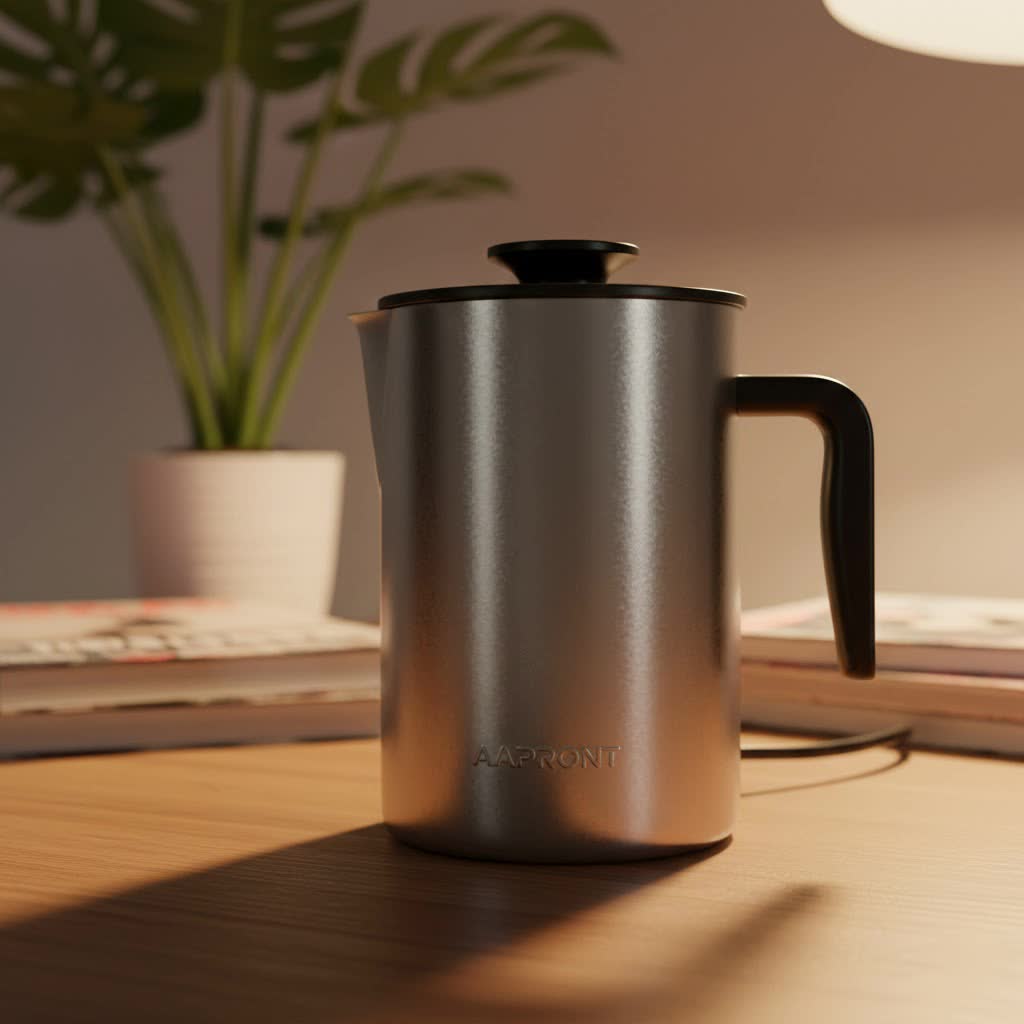
Often resembling small kettles or pitchers, electric frothers are countertop appliances that plug into an outlet. Many models also heat the milk while frothing.
- Advantages: Produce consistent, high-quality foam, often with adjustable heat settings (hot or cold foam), hands-free operation, and larger capacity for multiple servings.
- Disadvantages: More expensive than handheld models, take up counter space, and require more cleaning.
- Types:
- Automatic Electric Frothers: One-touch operation for heating and frothing, often with multiple settings for different foam textures.
- Semi-Automatic Electric Frothers: May require you to heat the milk separately or have fewer preset options.
Steam Frothers
These are typically integrated into espresso machines, utilizing a steam wand to heat and froth milk simultaneously. They offer the most control over milk texture, allowing for true microfoam essential for latte art.
- Advantages: Produces professional-grade microfoam, heats and froths simultaneously, and versatile for different milk types.
- Disadvantages: Most expensive option (as they come with an espresso machine), require skill and practice, and cleaning the wand can be more involved.
Manual Frothers (French Press Style)
Similar in appearance to a French press, these frothers use a manual pump action to aerate milk.
- Advantages: No electricity needed, allows for precise control over foam consistency through pumping speed and duration, relatively inexpensive.
- Disadvantages: Requires manual effort, doesn’t heat milk, and takes longer than electric models.
Comparison Table: Understanding Your Frother Options
|
Our Picks for the Best Milk Frother in 2026
As an Amazon Associate I earn from qualifying purchases.
|
||
| Num | Product | Action |
|---|---|---|
| 1 | Zulay Powerful Milk Frother for Coffee with Upgraded Titanium Motor - Handheld Electric Whisk, Milk Foamer, Mini Mixer & Coffee Blender for Frappe, Latte, Matcha, No Stand - Silver |

|
| 2 | Zulay Kitchen Powerful Milk Frother Wand With 2 Duracell Batteries - Ultra Fast Handheld Drink Mixer - Electric Whisk Foam Maker for Coffee, Lattes, Cappuccino, Matcha, Hot Chocolate & Creamer - Black |
|
| 3 | Zulay Kitchen Milk Frother Handheld Electric Whisk with AA Duracell Batteries – Durable Drink Mixer for Coffee, Lattes, Cappuccinos & More - Black |
|
| 4 | Milk Frother, 4-in-1 Electric Milk Steamer, 350ml/11.8oz Automatic Frother Machine for Coffee, Warm and Cold Foam, Temperature Control for Latte, Cappuccino, Hot Chocolate |
|
| 5 | Maestri House Rechargeable Milk Frother with Stand, LunaFro Handheld Electric Foam Maker Waterproof Detachable Stainless Steel Whisk Drink Mixer Foamer for Lattes, Cappuccino |
|
| 6 | Milk Frother Automatic, Electric Milk Frother and Steamer Removable Dishwasher Safe, Electromagnetic Heating, for Latte, Cappuccino, Chocolate Milk, Hot & Cold Foam, |
|
| 7 | Milk Frother, 4-in-1 Milk Frother and Steamer, 10.6oz Electric Milk Steamer, Automatic Cold and Hot Foam maker for Lattes, Cappuccinos, Ceramic Lining Interior (Polished) |
|
| 8 | Keurig SimpleCafe Frother, Rechargeable Handheld Milk Frother for Lattes, Cappuccinos & Iced Coffee, USB Cord Included, Microwave-Safe Frothing Cup, Hot & Cold Foam Maker |
|
| 9 | Nespresso Aeroccino 3 Milk Frother, Black, Steel |
|
| 10 | Nespresso Aeroccino 4 Milk Frother |
|
To help you quickly compare the main types, here’s a handy table outlining their key features:
| Feature | Handheld Frother | Electric Frother | Steam Frother (Espresso Machine) | Manual Frother |
|---|---|---|---|---|
| Price | Low | Medium to High | High | Low |
| Convenience | High (portable) | Medium (hands-free) | Low (skill required) | Medium (manual effort) |
| Foam Quality | Medium | High | Excellent (microfoam) | Medium to High |
| Heating | No | Yes (most models) | Yes | No |
| Durability | Medium | High | High | Medium |
| Cleaning | Easy | Medium | Difficult (wand) | Easy |
How to Choose the Right Milk Frother for Your Home Barista Journey
Selecting the perfect milk frother involves considering your personal habits, budget, and desired outcomes. With so many options available, a little self-reflection can guide you to your ideal match.
First, determine your usage needs. How often will you use it? Daily for multiple drinks, or occasionally for a weekend treat? For frequent, multi-serving use, an automatic electric frother or a steam frother might be best. For quick, single servings, a handheld or manual model could suffice. What types of drinks do you primarily enjoy? If latte art is your goal, a steam wand or a high-quality electric frother capable of microfoam is essential. For simple, airy foam, a basic handheld unit might be all you need.
Next, set your budget. Milk frothers range widely in price, from under $10 for simple handheld models to hundreds for integrated steam wands on premium espresso machines. Decide how much you’re willing to invest based on your usage frequency and desired features.
Consider essential features. Do you need temperature control for perfectly warm lattes or the option for refreshing cold foam? Many electric frothers offer both. Is ease of cleaning a priority? Some electric frothers feature non-stick interiors or dishwasher-safe components, while steam wands require diligent wiping after each use. Look for multiple frothing modes (e.g., light foam, dense foam) if versatility is important to you.
Finally, research reputable brands and user reviews. Brands like Nespresso, Breville, Instant Pot, and Zulay Kitchen are often highlighted for their reliable performance across various frother types. Reading what other users experience can provide valuable insights into a frother’s real-world performance and durability.
Finding a Milk Frother Near You: Convenience at Your Fingertips
When you’re searching for “milk frother near me,” you’re looking for both immediate availability and convenience. Fortunately, milk frothers are widely accessible through several retail channels, catering to different shopping preferences.
For those who prefer to see and feel the product before buying, major big-box retailers like Target, Walmart, Best Buy, and home improvement stores such as Home Depot and Lowe’s are excellent options. These stores typically carry a range of electric and handheld frothers, allowing you to compare models in person. Many also offer “buy online, pick up in store” services, which combine the convenience of online browsing with immediate local pickup. This is an ideal solution when you need a frother quickly and want to avoid shipping delays.
Specialty kitchenware and coffee shops might offer a more curated selection, including high-end electric frothers and manual options, often with knowledgeable staff to guide your purchase. While less common, these stores can be great for unique models or professional-grade equipment.
For the widest selection and competitive pricing, online retailers like Amazon are paramount. While not “near you” in the physical sense, they offer extensive ranges, detailed product descriptions, and countless customer reviews. Many online platforms also provide fast shipping, sometimes even same-day or next-day delivery, making them almost as convenient as a local store for many shoppers. When searching online, consider filtering by “in-stock for quick shipping” to get your new frother as fast as possible.
Top Milk Frothers: Our Expert Picks
Based on extensive testing and user feedback, several milk frothers consistently stand out for their performance, reliability, and value.
For an overall best choice, the Instant Pot Instant MagicFroth Milk Frother is highly recommended. It offers multiple foam and heat settings and provides excellent value. If you’re looking to splurge for a premium experience, the Breville Milk Cafe Frother is a top contender, known for its custom temperature dial and superior microfoam capabilities, perfect for advanced latte art.
When it comes to handheld convenience, the Zulay Kitchen Premium Milk Frother with Stand is a popular budget-friendly pick. It’s powerful, compact, and often available at an accessible price point, making it ideal for quick, individual drinks. For those seeking efficiency in a countertop model, the Nespresso Aeroccino4 Milk Frother is praised for its speed and consistent quality.
Remember, the “best” frother ultimately depends on your individual needs and how you plan to incorporate it into your daily routine.
Tips for Using and Maintaining Your Milk Frother
To ensure your milk frother delivers perfect foam every time and enjoys a long lifespan, proper usage and maintenance are key.
- Read the Manual: Always start by consulting your frother’s instruction manual. It provides specific guidelines for operation, cleaning, and troubleshooting unique to your model.
- Don’t Overfill: Adhere to the maximum fill lines to prevent overflow, especially with electric models that heat and expand milk.
- Clean Immediately: Milk residues can be stubborn. Rinse or clean your frother right after each use to prevent milk from drying and hardening, which makes cleaning much harder and can affect future performance.
- Gentle Cleaning: For most frothers, a soft sponge and mild soap are sufficient. Avoid abrasive scrubbers or harsh chemicals that could damage non-stick coatings or finishes.
- Store Properly: Store handheld frothers in their stands (if included) or in a drawer to protect the whisk. Keep electric frothers in a clean, dry place.
- Troubleshooting Common Issues:
- No foam/thin foam: Ensure you’re using fresh, cold milk (especially for electric frothers). Check the whisk attachment is correctly installed. For steam wands, ensure the tip is clean and clear.
- Milk not heating: Verify the frother is plugged in and the heating setting is activated. Check for any error indicators.
- Strange noises: This could indicate a loose component or an issue with the motor. Refer to your manual or contact customer support.
Secrets to Perfect Milk Foam Every Time
Achieving consistently perfect milk foam is an art, but it’s one you can master with a few expert tips.
The type of milk you use significantly impacts the foam’s quality. For dairy milk, whole milk generally produces the richest, most stable foam due to its fat content. Skim milk creates a lighter, airier foam, while 2% milk offers a good balance. For non-dairy options, look for “barista blend” almond, oat, or soy milks, which are specifically formulated to froth well and hold their texture. These often contain stabilizers that help create a more consistent and lasting foam.
Ideal temperature is crucial. Cold milk (straight from the refrigerator) is best for starting, especially for electric frothers that heat the milk. The frothing process introduces air and heat, and starting cold allows more time for aeration before the milk gets too hot. Aim for a final milk temperature between 140°F and 155°F (60°C and 68°C) for optimal sweetness and texture. Overheating can scorch the milk, leading to an unpleasant taste and diminished foam quality.
For manual and handheld frothers, technique is key. When using a handheld whisk, immerse the whisk head just below the surface of the milk, allowing it to pull air in, creating larger bubbles. Then, submerge it slightly deeper to create a vortex that refines these bubbles into a smoother microfoam. With manual pump frothers, consistent, gentle pumping creates stable foam.
Finally, consistent cleaning is not just about hygiene; it’s vital for foam quality. Residual milk can interfere with the frother’s performance, affecting heat transfer and the ability to create fine bubbles. A clean frother ensures pure, unadulterated flavor and superior foam with every use.
Conclusion
Embracing the world of milk frothers elevates your daily coffee ritual, bringing the café experience right into your home. From simple handheld wands to sophisticated automatic machines and integrated steam wands, there’s a perfect milk frother out there for every preference and budget. By understanding the types available, considering your needs, and knowing where to find them, you’re well on your way to enjoying beautifully frothed beverages. Don’t let the search for the ideal milk frother be complicated; instead, let this guide empower you to select the best one and unlock a world of creamy, dreamy drinks. Ready to transform your coffee breaks? What delicious frothy creation will you whip up first?
Frequently Asked Questions
What’s the best milk frother for cold foam?
Many electric milk frothers offer a specific “cold foam” setting, utilizing rapid whisking without heat to create a dense, stable cold foam perfect for iced coffees and refreshers. Look for models explicitly listing this feature.
Can I froth non-dairy milk with any milk frother?
While most frothers can froth non-dairy milk, results vary. For best results, use “barista blend” non-dairy milks (oat, almond, soy) as they contain additives designed to create a more stable and creamy foam.
How do I clean my electric milk frother to prevent residue buildup?
The best way to prevent residue buildup is to clean your electric frother immediately after each use. Most models have non-stick interiors that can be wiped clean with a damp cloth and mild soap. Some pitchers are dishwasher-safe; always check the manufacturer’s instructions.
Are handheld milk frothers worth it?
Yes, handheld milk frothers are an excellent, budget-friendly option for those who want quick, individual servings of frothed milk without needing to heat it. They are highly portable and take up minimal storage space, making them ideal for occasional use or travel.
What is microfoam, and why is it important for lattes?
Microfoam is a very fine, velvety foam with tiny, uniform bubbles and a glossy appearance. It’s crucial for lattes because it blends seamlessly with espresso, creating a smooth texture and allowing for intricate latte art, which is nearly impossible with coarser, larger-bubbled foam.
How hot should my frothed milk be?
For optimal flavor and texture, frothed milk should typically be heated to a temperature between 140°F and 155°F (60°C and 68°C). This range brings out the milk’s natural sweetness without scalding it, which can produce an unpleasant taste.
Get our weekly buyer guide
Practical specs, not advice. Unsubscribe anytime.
