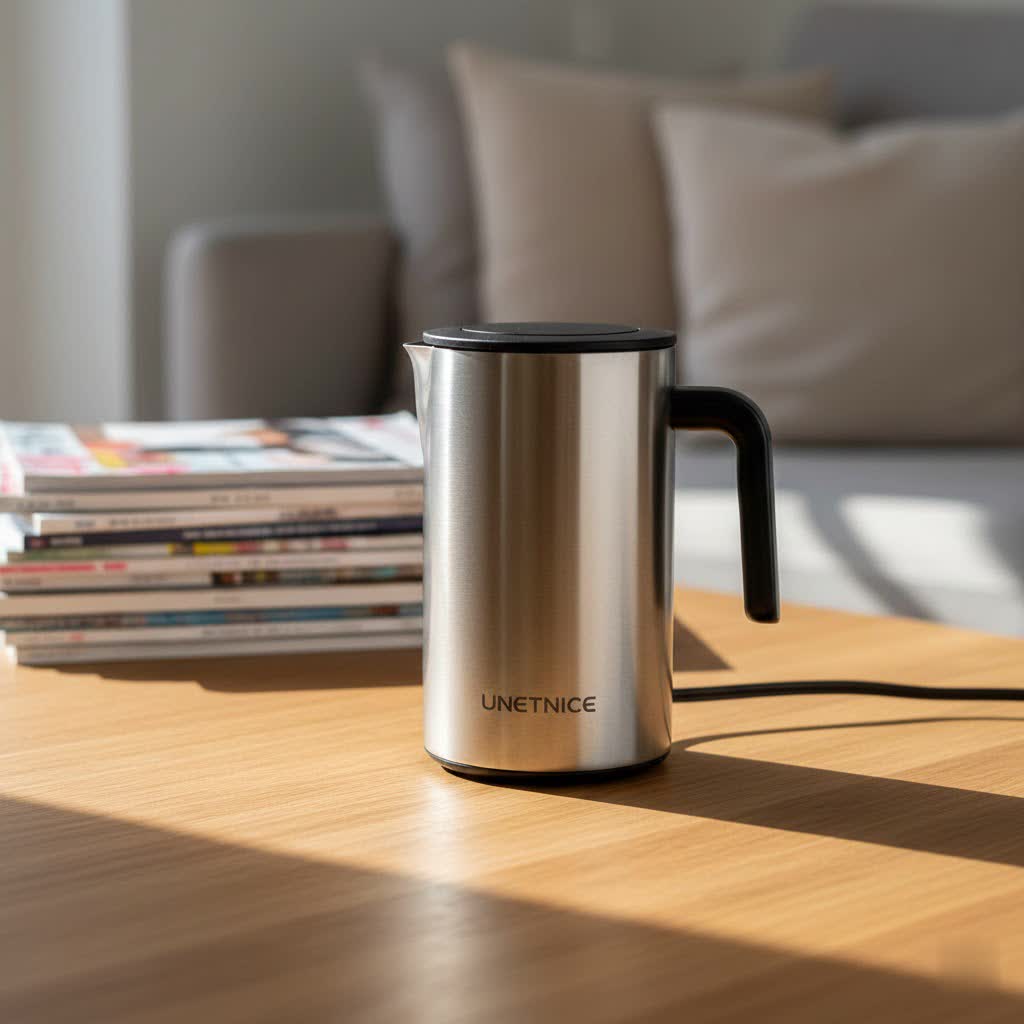
Have you ever dreamt of crafting barista-quality coffee drinks from the comfort of your kitchen? With the rise of home coffee culture, a simple yet transformative appliance has become indispensable: the milk frother. From luscious lattes to decadent cappuccinos, a milk frother empowers you to transform ordinary milk into creamy, airy foam, bringing the cafe experience right to your countertop.
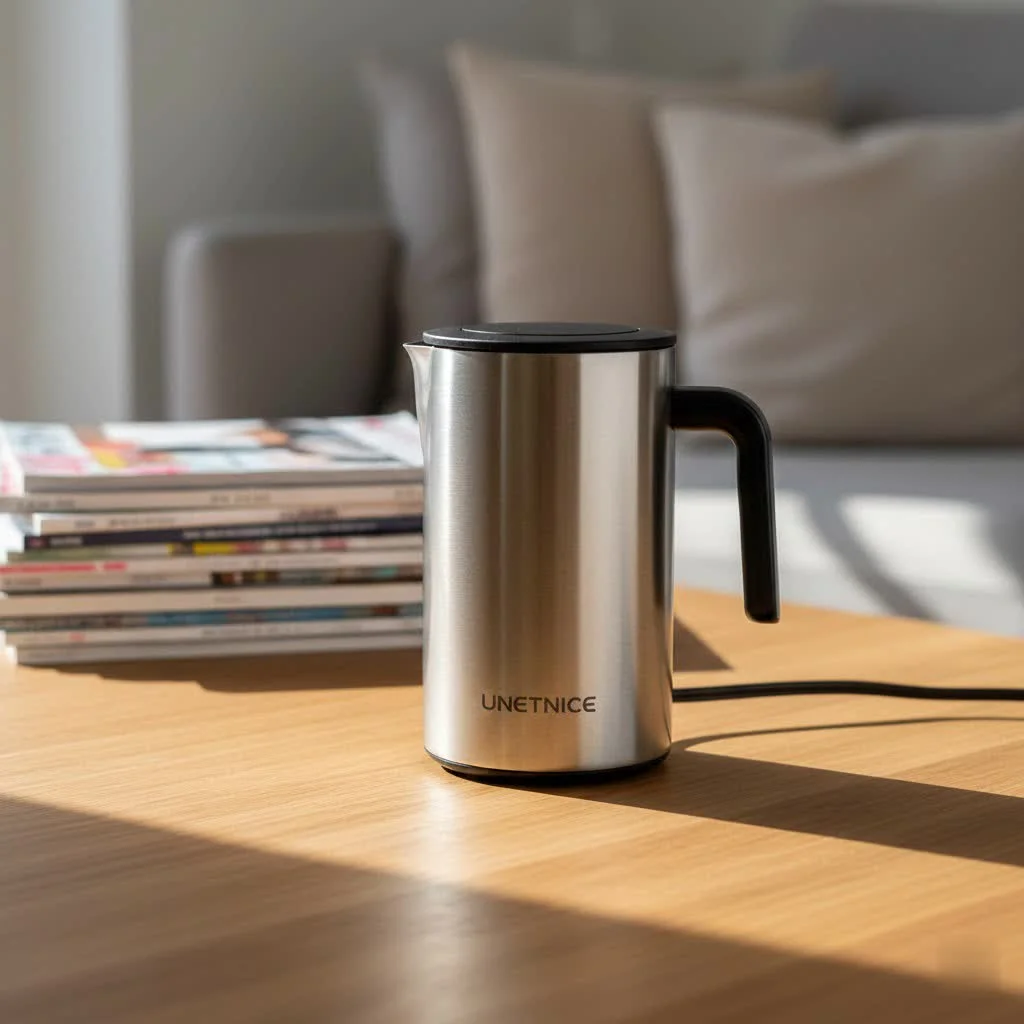
What is a Milk Frother and Why You Need One?
A milk frother is a kitchen tool designed to aerate milk, introducing tiny air bubbles to create a light, velvety foam. This process changes the milk’s texture and often enhances its natural sweetness, making it the perfect companion for a variety of beverages. Investing in a milk frother allows you to enjoy significant benefits, including cost savings compared to daily cafe visits, the convenience of a quick, customized drink anytime, and the creative freedom to experiment with different milk-based recipes. For compare top home coffee on this site.
Beyond the classic cappuccino, latte, and macchiato, frothed milk is essential for crafting a wide array of popular drinks. Imagine a rich, foamy hot chocolate on a cold evening, a refreshing iced coffee topped with a cloud of cold foam, or a perfectly whisked matcha latte with a delicate layer of froth. A quality milk frother opens up a world of delicious possibilities for the home barista.
Popular Types of Milk Frothers on the Market
The world of milk frothers offers a diverse range of options, each with unique advantages and considerations. Understanding the different types available will help you select the perfect device to match your frothing preferences and lifestyle.
Handheld Frothers
Handheld milk frothers are compact, battery-operated wands equipped with a small whisk at the end. They are the most basic and portable option, ideal for single servings and travel.
- Advantages: Highly portable and space-efficient, exceptionally affordable, quick to clean (usually just a rinse under running water), and can be used with both hot and cold milk (though they don’t heat the milk themselves).
- Disadvantages: Requires manual pre-heating of milk for hot drinks, offers less precise control over foam texture compared to other types, and generally produces a lighter, airier foam that might not be ideal for intricate latte art.
- Usage: Simply submerge the whisk into pre-heated or cold milk and activate for 15-30 seconds until the desired froth appears.
Electric Frothers
Electric milk frothers are standalone countertop appliances that automate the frothing process. Many models also include a heating element, providing a convenient all-in-one solution for hot, frothed milk.
- Advantages: Offers consistent, high-quality foam with minimal effort, often includes multiple settings for different foam textures (dense or airy) and temperatures (hot or cold), capable of frothing larger quantities of milk, and typically features non-stick interiors for easier cleaning.
- Disadvantages: Generally more expensive than handheld or manual options, takes up more counter space, and less portable due to requiring a power outlet.
- Usage: Pour milk into the jug, select your desired settings (if available), and press a button. The machine handles both heating and frothing, often with an automatic shut-off.
Steam Frothers
Steam frothers are typically integrated into espresso machines, utilizing a steam wand to heat and aerate milk. This method is favored by professional baristas for its ability to create silky microfoam, which is crucial for latte art.
- Advantages: Produces the finest, most consistent microfoam for professional-grade latte art, heats milk rapidly, and offers maximum control over milk texture and temperature for skilled users.
- Disadvantages: Requires a full espresso machine, involves a learning curve to master the technique, and cleaning the steam wand immediately after each use is essential but can be tricky.
- Usage: Position the steam wand just below the milk’s surface in a metal pitcher, open the steam valve, then submerge the wand deeper to create a whirlpool effect, texturing the milk to the desired consistency and temperature.
Comparison Table of Milk Frother Types
|
Our Picks for the Best Milk Frother in 2026
As an Amazon Associate I earn from qualifying purchases.
|
||
| Num | Product | Action |
|---|---|---|
| 1 | Milk Frother Automatic, Electric Milk Frother and Steamer Removable Dishwasher Safe, Electromagnetic Heating, for Latte, Cappuccino, Chocolate Milk, Hot & Cold Foam, |

|
| 2 | Zulay Kitchen Milk Frother Handheld Electric Whisk with AA Duracell Batteries – Durable Drink Mixer for Coffee, Lattes, Cappuccinos & More - Black |
|
| 3 | Zulay Kitchen Powerful Milk Frother Wand With 2 Duracell Batteries - Ultra Fast Handheld Drink Mixer - Electric Whisk Foam Maker for Coffee, Lattes, Cappuccino, Matcha, Hot Chocolate & Creamer - Black |
|
| 4 | Milk Frother, 4-in-1 Electric Milk Steamer, 350ml/11.8oz Automatic Frother Machine for Coffee, Warm and Cold Foam, Temperature Control for Latte, Cappuccino, Hot Chocolate |
|
| 5 | Zulay Powerful Milk Frother for Coffee with Upgraded Titanium Motor - Handheld Electric Whisk, Milk Foamer, Mini Mixer & Coffee Blender for Frappe, Latte, Matcha, No Stand - Silver |
|
| 6 | Keurig SimpleCafe Frother, Rechargeable Handheld Milk Frother for Lattes, Cappuccinos & Iced Coffee, USB Cord Included, Microwave-Safe Frothing Cup, Hot & Cold Foam Maker |
|
| 7 | Nespresso Aeroccino 3 Milk Frother, Black, Steel |
|
| 8 | Maestri House Rechargeable Milk Frother with Stand, LunaFro Handheld Electric Foam Maker Waterproof Detachable Stainless Steel Whisk Drink Mixer Foamer for Lattes, Cappuccino |
|
| 9 | Milk Frother, 4-in-1 Milk Frother and Steamer, 10.6oz Electric Milk Steamer, Automatic Cold and Hot Foam maker for Lattes, Cappuccinos, Ceramic Lining Interior (Polished) |
|
| 10 | Nespresso Aeroccino 4 Milk Frother |
|
| Feature | Handheld Milk Frother | Electric Milk Frother | Steam Frother |
|---|---|---|---|
| Price | Low | Medium – High | High |
| Convenience | High | Medium | Low |
| Foam Quality | Medium | High | High |
| Durability | Medium | High | High |
| Cleaning | Easy | Medium | Difficult |
How to Choose the Right Milk Frother for You
Selecting the perfect milk frother involves considering your personal preferences, budget, and how you intend to use it. With so many options available, a thoughtful approach ensures you find a device that seamlessly integrates into your daily routine.
First, determine your usage needs. How often will you make frothed drinks? Are you preparing a single cup or multiple servings for family and guests? Do you primarily enjoy hot beverages, or is cold foam for iced drinks a must-have? Your answers will guide your choice of capacity and temperature settings. If latte art is your goal, a frother capable of producing fine microfoam is essential.
Next, consider your budget. Prices for milk frothers can range from under $20 for a basic handheld model to several hundred dollars for a high-end electric unit or an integrated espresso machine. While more expensive models often boast advanced features and superior build quality, many mid-range options provide excellent performance without breaking the bank.
Look for essential features that enhance your experience. A built-in heating function is a major convenience for hot drinks, while dual hot and cold settings offer versatility for all seasons. Adjustable froth settings allow you to customize foam density for different drinks. Ease of cleaning is also paramount; look for non-stick interiors, removable components, or even dishwasher-safe parts. Finally, consider the frother’s overall build quality and materials, as stainless steel typically offers greater durability and heat retention compared to plastic. Noise level and frothing speed might also be factors if you brew coffee in a shared or quiet environment.
Top Milk Frothers for Home Baristas
Today’s market offers a fantastic selection of milk frothers designed to meet various needs and budgets. While specific models frequently change, certain types consistently stand out for their performance and features.
For ultimate convenience and consistency, automatic electric countertop frothers are highly favored. Many top-rated models excel at simultaneously heating and frothing milk, offering multiple settings for different foam textures (from light and airy to dense microfoam) and temperatures (hot, warm, or cold). These are ideal for those who desire a hands-free, café-quality experience every time, often capable of handling larger milk volumes for multiple drinks. Look for models with induction heating for even temperatures and easy-to-clean, non-stick surfaces.
If portability and affordability are your priorities, powerful handheld whisk frothers remain incredibly popular. Modern handhelds are more robust than ever, with some reaching impressive RPMs to create froth quickly. They are excellent for single servings, cold foam, and mixing powdered drinks like matcha or protein shakes. While they don’t heat milk, their compact size and ease of rinsing make them a favorite for quick, casual use at home or on the go.
For those who prioritize precise control and artistic expression, manual plunger-style frothers offer a unique, hands-on experience. While they require separate milk heating, their simple design allows users to develop precise techniques for varying foam densities. These are often chosen by enthusiasts who enjoy the craft of coffee making and want to tailor their foam perfectly.
Tips for Using and Maintaining Your Milk Frother
Achieving perfect milk foam and ensuring your frother lasts for years requires a few simple techniques and proper care.
To create perfect milk froth, the type and temperature of your milk are crucial. Always start with fresh, cold milk straight from the refrigerator. Whole milk generally produces the richest, most stable, and creamiest foam due to its fat content, making it excellent for latte art. Skim milk creates a lighter, airier, and voluminous foam. Many barista-style plant-based milks (oat, soy, almond) are also specially formulated to froth beautifully. When heating, aim for an ideal temperature between 60-64°C (140-149°F). Overheating milk beyond 65°C (149°F) can cause it to lose its natural sweetness and develop an unpleasant scalded taste, while also leading to less stable foam.
The technique for frothing varies by device, but some general principles apply. With handheld frothers, submerge the whisk just below the surface of the milk to introduce air, then move it gently up and down or in small circles to create your foam. For electric frothers, simply add milk to the fill line and press the desired setting. For manual frothers, pump the plunger vigorously for 10-20 seconds until the milk’s volume doubles. Regardless of the method, swirl the frothed milk gently before pouring to integrate the foam with the liquid, creating a smooth, glossy texture perfect for pouring into your drink, especially if attempting latte art. Always pour your frothed milk immediately after preparation, as the foam can begin to separate if left standing.
Proper cleaning and maintenance are vital for hygiene and longevity. After each use, always rinse your frother immediately to prevent milk residue from drying and sticking, which can be difficult to remove and harbor bacteria. For handheld frothers, a quick rinse of the whisk under warm water is usually sufficient. Electric frothers often have non-stick interiors and removable whisks that are easy to wipe clean with a damp cloth. Some components may even be dishwasher safe, but always check the manufacturer’s instructions. For steam wands, purge a burst of steam after each use to clear any milk, then wipe thoroughly with a clean, damp cloth. Regular descaling (if applicable) can also help maintain performance.
Conclusion
Whether you’re a seasoned coffee enthusiast or just beginning your journey into home brewing, a milk frother is an invaluable addition to your kitchen. From the effortless convenience of automatic electric models to the precise control offered by manual and steam frothers, there’s a perfect device to help you create delightful, cafe-quality beverages. By understanding the different types, considering your needs, and following simple usage and maintenance tips, you can consistently enjoy perfectly frothed milk, transforming your daily coffee ritual into an extraordinary experience. So, which milk frother will you choose to elevate your next cup?
Frequently Asked Questions
What kind of milk is best for frothing?
Fresh, cold whole milk is generally best for producing rich, creamy, and stable foam, ideal for lattes and cappuccinos. Skim milk creates more voluminous but lighter foam. Barista-style plant-based milks like oat or soy are also excellent alternatives designed for frothing.
Can I use a milk frother for cold foam?
Yes, many electric milk frothers come with a dedicated cold frothing setting, and handheld frothers work perfectly with cold milk. Cold foam is a popular topping for iced coffees, cold brews, and other chilled beverages, adding a creamy texture without heat.
How do I clean my milk frother?
For handheld frothers, rinse the whisk immediately under warm water. Electric frothers often have non-stick interiors that can be wiped clean with a damp cloth, and some parts may be dishwasher safe. Always clean your frother immediately after use to prevent milk residue buildup and follow the manufacturer’s specific cleaning instructions.
What is the ideal temperature for frothing milk?
The ideal temperature for frothing milk is between 60-64°C (140-149°F). Heating milk beyond 65°C (149°F) can degrade its natural sweetness and negatively impact the foam’s texture and stability, resulting in a less pleasant taste.
Can a milk frother make latte art?
Yes, especially with electric frothers that produce fine microfoam or traditional steam wands. While handheld frothers can create foam, it’s often more airy and less suitable for intricate latte art compared to the velvety texture required for detailed designs. Practice and a frother with good foam control are key.
Is an expensive milk frother worth it?
The value of an expensive milk frother depends on your usage and preferences. Higher-priced models often offer more advanced features like precise temperature control, multiple froth settings, larger capacities, and superior durability. If you make frothed drinks frequently or desire specific textures, the investment might be worthwhile for the convenience and quality.
Get our weekly buyer guide
Practical specs, not advice. Unsubscribe anytime.
