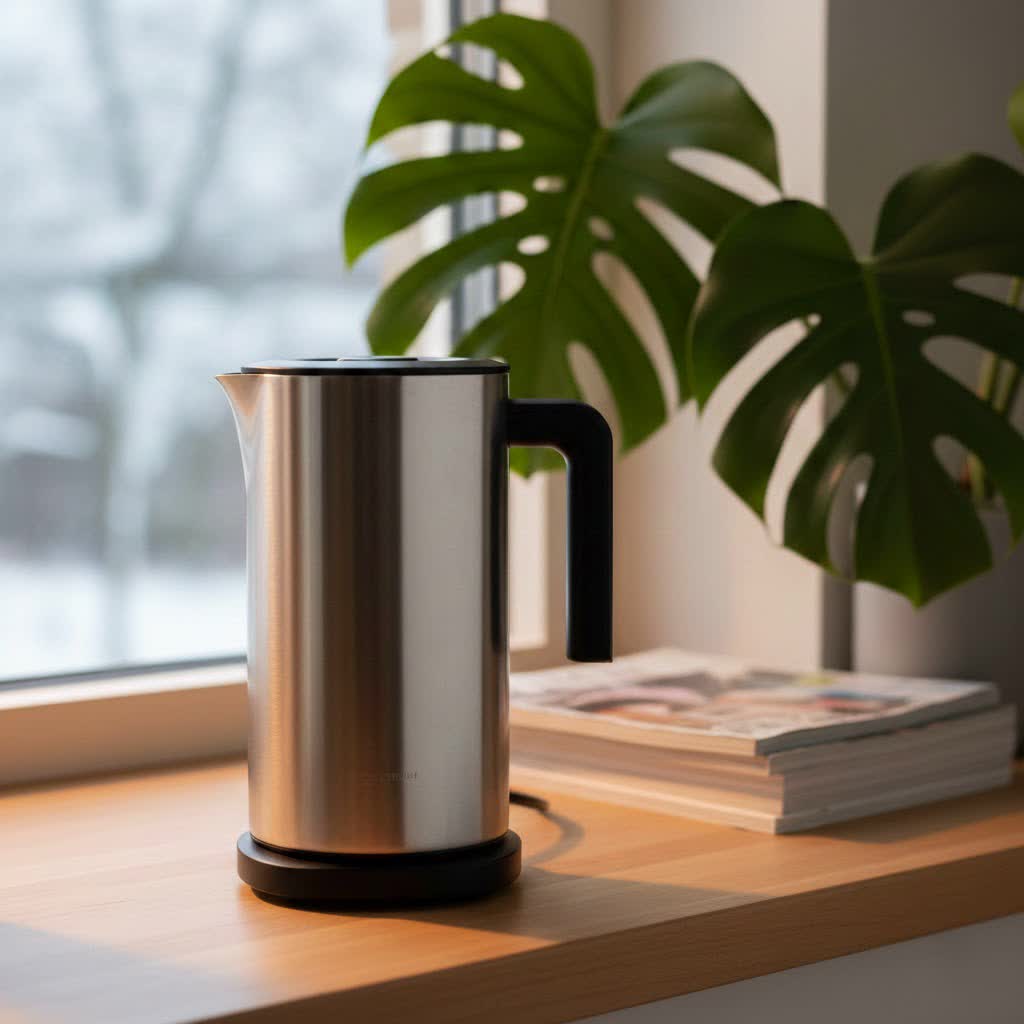
For many, the morning ritual of coffee is more than just a caffeine fix; it’s a moment of crafted pleasure. And for those who adore velvety lattes, creamy cappuccinos, or intricate latte art, the secret weapon often lies not in the beans, but in the humble stainless steel milk frother pitcher. This indispensable tool transforms ordinary milk into silken microfoam, unlocking a world of professional-quality coffee drinks right in your kitchen. But what exactly makes this pitcher so vital, and how do you choose and use the best one to elevate your home barista game?
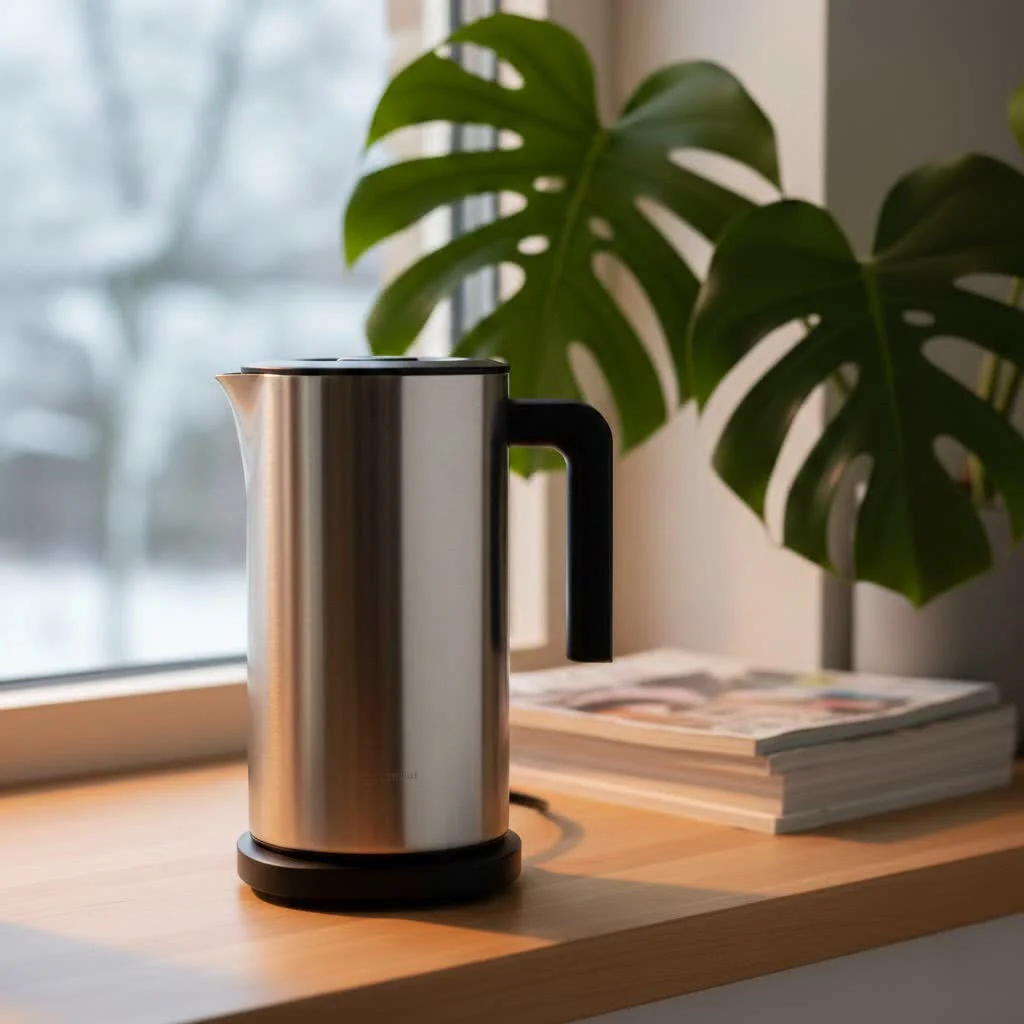
What is a Milk Frother Pitcher and Why You Need One?
A stainless steel milk frother pitcher is a specialized vessel, typically crafted from durable stainless steel, designed to hold and heat milk while it’s being frothed or steamed. While the term “milk frother” can encompass various devices like handheld wands or automatic electric machines, the pitcher is specifically used in conjunction with a steam wand, most commonly found on espresso machines. Its primary purpose is to create rich, consistent microfoam—milk with tiny, uniform bubbles—that forms the foundation for popular espresso-based beverages.
The benefits of incorporating a dedicated stainless steel frother pitcher into your home coffee setup are manifold. It allows for unparalleled control over milk texture and temperature, leading to café-quality drinks that are both delicious and visually appealing. Using one at home not only saves money spent at coffee shops but also opens up a creative avenue for experimenting with different milk-based concoctions and developing impressive latte art skills. Beyond cappuccinos and lattes, this versatile pitcher can also be used for macchiatos, flat whites, or even hot chocolate.
Types of Milk Frothers and Where the Pitcher Fits In
While this article focuses on the stainless steel frother pitcher, it’s helpful to understand its place among other milk frothing methods:
- Handheld Frothers: These are small, battery-operated wands that quickly whisk milk to create a light foam. They are highly portable and affordable, making them great for occasional use or travel, but they offer less control over texture and temperature, making intricate latte art challenging.
- Electric Frothers: Automatic electric frothers are countertop appliances that heat and froth milk with the touch of a button. They are convenient and consistent, often producing a decent foam for various drinks, but they limit the barista’s ability to fine-tune milk texture for advanced latte art.
- Stainless Steel Milk Frother Pitchers (Steam Frothers): These pitchers are paired with the steam wand of an espresso machine. They allow the most precise control over the aeration and heating process, enabling the creation of smooth, velvety microfoam essential for professional-level latte art and perfect beverage texture. They are the go-to for serious home baristas and professional cafés alike.
Comparison Table: Understanding Your Frothing Options
|
Our Picks for the Best Milk Frother in 2026
As an Amazon Associate I earn from qualifying purchases.
|
||
| Num | Product | Action |
|---|---|---|
| 1 | Zulay Kitchen Powerful Milk Frother Wand With 2 Duracell Batteries - Ultra Fast Handheld Drink Mixer - Electric Whisk Foam Maker for Coffee, Lattes, Cappuccino, Matcha, Hot Chocolate & Creamer - Black |

|
| 2 | Milk Frother, 4-in-1 Electric Milk Steamer, 350ml/11.8oz Automatic Frother Machine for Coffee, Warm and Cold Foam, Temperature Control for Latte, Cappuccino, Hot Chocolate |
|
| 3 | Milk Frother, 4-in-1 Milk Frother and Steamer, 10.6oz Electric Milk Steamer, Automatic Cold and Hot Foam maker for Lattes, Cappuccinos, Ceramic Lining Interior (Polished) |
|
| 4 | Nespresso Aeroccino 4 Milk Frother |
|
| 5 | Zulay Powerful Milk Frother for Coffee with Upgraded Titanium Motor - Handheld Electric Whisk, Milk Foamer, Mini Mixer & Coffee Blender for Frappe, Latte, Matcha, No Stand - Silver |
|
| 6 | Nespresso Aeroccino 3 Milk Frother, Black, Steel |
|
| 7 | Maestri House Rechargeable Milk Frother with Stand, LunaFro Handheld Electric Foam Maker Waterproof Detachable Stainless Steel Whisk Drink Mixer Foamer for Lattes, Cappuccino |
|
| 8 | Milk Frother Automatic, Electric Milk Frother and Steamer Removable Dishwasher Safe, Electromagnetic Heating, for Latte, Cappuccino, Chocolate Milk, Hot & Cold Foam, |
|
| 9 | Keurig SimpleCafe Frother, Rechargeable Handheld Milk Frother for Lattes, Cappuccinos & Iced Coffee, USB Cord Included, Microwave-Safe Frothing Cup, Hot & Cold Foam Maker |
|
| 10 | Zulay Kitchen Milk Frother Handheld Electric Whisk with AA Duracell Batteries – Durable Drink Mixer for Coffee, Lattes, Cappuccinos & More - Black |
|
| Feature | Handheld Frother | Electric Frother | Stainless Steel Milk Frother Pitcher (Steam) |
|---|---|---|---|
| Price | Low | Medium | Medium |
| Convenience | High | High | Medium (requires espresso machine) |
| Foam Quality | Basic foam | Good, consistent | Excellent, velvety microfoam |
| Latte Art Ability | Limited | Very limited | High |
| Durability | Varies, often lower | Medium | High |
| Cleaning | Easy | Medium | Medium (requires immediate rinsing) |
The Stainless Steel Advantage: Why It’s the Barista’s Choice
Stainless steel has become the undisputed standard for milk frothing pitchers for several compelling reasons:
- Durability and Longevity: Stainless steel is robust, resisting dents, scratches, and corrosion. A good quality stainless steel pitcher is built to last, enduring the rigors of daily use in a busy café or a passionate home kitchen.
- Exceptional Heat Conduction: The thin, conductive walls of a stainless steel pitcher are crucial for temperature control. Baristas rely on the feel of the pitcher in their hand to accurately gauge the milk’s temperature as it heats, allowing them to stop the steaming process at the precise moment for optimal texture and sweetness, preventing burnt or underheated milk.
- Easy to Clean: The smooth, non-porous surface of stainless steel is inherently hygienic and easy to clean. Milk residue can be quickly rinsed away, preventing bacterial buildup and sour smells. This ease of maintenance ensures your pitcher remains in pristine condition, ready for your next perfect pour.
- Versatility: While its primary role is frothing milk, a stainless steel pitcher is also useful for measuring liquids, melting butter, or even serving sauces, making it a multi-functional kitchen tool.
- Aesthetic Appeal: With its sleek, polished finish, a stainless steel pitcher adds a touch of professional elegance to any coffee setup.
How to Choose the Perfect Stainless Steel Milk Frother Pitcher
Selecting the right stainless steel frother pitcher can significantly impact your frothing and latte art success. Consider these factors to find your ideal match:
- Size (Capacity): Pitchers typically range from 12 oz (350ml) to 32 oz (900ml).
- Small (12-16 oz / 350-480ml): Ideal for single servings or small drinks. Reduces waste and keeps foam fresh for individual pours.
- Medium (20 oz / 600ml): A popular all-rounder for home use, suitable for 1-2 standard lattes.
- Large (24-32 oz / 700-900ml): Best for multiple drinks or large batches. Remember to choose a pitcher that allows enough room for the milk to expand (typically filling it no more than halfway).
- Material Quality: Look for pitchers made from 304 food-grade stainless steel (also known as 18/8 or 18/10 stainless steel). This grade offers superior corrosion resistance and durability. Cheaper 202 stainless steel may not be as food-safe or durable.
- Wall Thickness: Pitchers with thicker walls (around 1mm) provide better heat feedback to your hand, giving you more time to control the steaming process and achieve a finer microfoam. Thinner pitchers heat up faster, which can be challenging for beginners.
- Spout Shape: The spout is critical for pouring and latte art.
- Narrow/Pointed Spout: Offers precision for intricate latte art designs like rosettas, swans, and detailed patterns.
- Wider/Rounded Spout: More forgiving for beginners learning basic pouring techniques and simpler designs like hearts or tulips. Some pitchers feature hybrid spouts that combine elements of both.
- Handle Comfort and Ergonomics: A sturdy, comfortable handle with a good grip is essential for stability and control, especially when performing delicate latte art. Some baristas prefer handle-free pitchers, relying on the body’s taper for grip and heat feel.
- Internal Markings: Some pitchers include measurement lines on the inside, which can be helpful for consistency in milk volume, especially for home users or those experimenting with new recipes.
- Brand Reputation: Trusted brands often invest in better design, materials, and quality control. Looking at user reviews for specific models can also offer valuable insights.
Top Stainless Steel Milk Frother Pitchers for Every Barista
While personal preference plays a significant role, some pitchers consistently earn high marks from baristas for their design, durability, and performance.
- Rhino Coffee Gear Professional Milk Pitchers: Renowned for their robust 1mm thick 303-grade stainless steel construction, these pitchers offer excellent heat feedback and durability. They are a favorite among professionals for their quality feel and consistent performance, enabling superior milk texturing and latte art. The internal measurement lines are also a plus.
- Motta Europa Professional Milk Pitchers: An industry staple, Motta pitchers are known for their ergonomic design, durable sandblasted exterior, and often a non-stick Teflon interior (though traditional stainless options are available). Their precise spout is excellent for detailed latte art. The availability of various colors also helps baristas differentiate milk types.
- Fellow Eddy Milk Pitcher: Praised for its sleek aesthetic and functional design, the Fellow Eddy features a fluted spout and a sharp front crease for enhanced pour control, making it a favorite for design enthusiasts and those focusing on refined latte art.
- Barista Hustle Milk Pitcher: This pitcher is lauded for its well-built, symmetrical design that creates a consistent vortex, making it an excellent all-rounder for both beginners and experienced baristas aiming for consistent microfoam and latte art.
- Budget-Friendly Options (e.g., Zulay Kitchen, Update International): Several affordable stainless steel pitchers offer solid performance for home use. While they might lack some of the advanced features or premium feel of higher-end models, they provide a great starting point for aspiring baristas. Look for 304 stainless construction and a comfortable handle.
When comparing products, consider the quality of the microfoam it helps produce, its ease of use, durability, and how well it fits your hand and pouring style. Read reviews focusing on these aspects to inform your choice.
Mastering Your Stainless Steel Milk Frother Pitcher: Tips for Perfect Froth and Maintenance
Achieving perfect microfoam is a skill that improves with practice, but a few key techniques and proper maintenance can set you up for success.
Tips for Perfect Milk Froth
- Start with Cold, Fresh Milk: Colder milk gives you more time to aerate and heat it properly. Whole milk typically froths best due to its fat content, but plant-based milks like oat or almond can also create excellent foam with the right technique.
- Fill to the Right Level: Only fill the pitcher about halfway, or just below the bottom of the spout. Milk expands as it froths, and you need space for this expansion and for the milk to swirl.
- Proper Steam Wand Position:
- Aeration (Stretching): Submerge the tip of the steam wand just below the milk’s surface, slightly off-center. You should hear a gentle “tsss-tsss-tsss” sound—like tearing paper—as air is incorporated. This creates the initial foam. Do this for a few seconds, depending on the milk volume and desired foam thickness (e.g., more air for a cappuccino, less for a latte).
- Texturing (Integrating): Once you have enough air, lower the wand deeper into the milk. Position it so the milk spins in a consistent, vortex-like motion. This integrates the air, breaks down larger bubbles, and heats the milk evenly, creating a silky, glossy microfoam.
- Gauge Temperature by Hand: Keep your free hand on the bottom of the pitcher. When the pitcher becomes too hot to comfortably hold (around 140-150°F or 60-65°C), turn off the steam. Overheating scalds the milk and ruins its sweetness and texture.
- Purge and Clean Immediately: After steaming, immediately wipe the steam wand with a damp cloth and purge a burst of steam to clear any milk residue. This prevents blockages and bacteria buildup.
- Swirl and Tap: Gently tap the pitcher on the counter to eliminate any remaining large bubbles, then swirl the milk vigorously to integrate the foam and liquid into a uniform, velvety microfoam ready for pouring.
Essential Cleaning and Maintenance Tips
Proper care ensures your stainless steel pitcher remains hygienic, performs optimally, and lasts for years.
- Rinse Immediately After Every Use: The most crucial step! As soon as you finish pouring, rinse the pitcher with warm water to prevent milk proteins from drying and sticking to the surface.
- Daily Wash: Use warm soapy water and a soft brush or sponge to thoroughly clean the inside and outside of the pitcher, paying close attention to the spout and rim where milk can collect. Rinse well and dry immediately with a clean cloth to prevent water spots and rust.
- Deep Clean (Weekly/Bi-weekly): For stubborn milk residue or discoloration, soak the pitcher in a solution of warm water and a specialized coffee machine cleaner, baking soda, or white vinegar for 15-20 minutes. Afterward, scrub gently and rinse thoroughly.
- Avoid Abrasive Scrubbers: Never use steel wool or harsh abrasive scrubbers, as these can scratch the stainless steel surface, making it prone to residue buildup and compromising its aesthetic.
- Dishwasher Safety: While most stainless steel pitchers are dishwasher-safe, handwashing is generally recommended to maintain their polished finish and prevent potential water spots or mineral buildup over time.
- Do Not Soak Overnight: Leaving a milk pitcher soaking overnight can lead to stubborn water stains and can promote bacterial growth. Always clean and dry promptly.
- Storage: Store your clean, dry pitcher in a place where it won’t be easily dented or scratched.
Conclusion
The stainless steel milk frother pitcher is far more than just a container; it’s a barista’s extension, a foundational tool for crafting exceptional coffee experiences. From its inherent durability and superior heat conductivity to its role in perfecting microfoam for stunning latte art, this pitcher empowers both aspiring and seasoned home baristas. By choosing the right size and design, understanding the nuances of milk steaming, and committing to diligent cleaning, you unlock the full potential of your espresso machine. This essential stainless steel companion doesn’t just hold milk; it holds the promise of a daily café-quality moment.
What delicious coffee creations will you craft with your perfectly frothed milk today?
Frequently Asked Questions
What is the ideal temperature for frothing milk?
The ideal temperature for frothing milk is between 140-150°F (60-65°C). At this temperature, the milk’s natural sweetness is maximized, and the protein structure is stable enough to create velvety microfoam. Going hotter can scorch the milk, resulting in a burnt taste, while cooler milk won’t achieve the desired texture or sweetness.
Can I froth different types of milk in a stainless steel pitcher?
Yes, you can froth various types of milk, including whole milk, skim milk, and a wide range of plant-based alternatives like oat, almond, soy, and coconut milk. Each type froths differently due to varying fat and protein contents, requiring slight adjustments in technique. Full-fat dairy milk typically yields the easiest and creamiest foam.
How do I prevent large bubbles when frothing milk?
To prevent large bubbles, ensure your steam wand tip is just below the surface of the milk during the aeration (stretching) phase, creating a gentle “tsss” sound. Immediately after incorporating air, lower the wand deeper into the milk to create a swirling vortex (texturing phase), which breaks down large bubbles and integrates the foam into a smooth microfoam. Tapping the pitcher gently on the counter and swirling the milk before pouring also helps.
Is a stainless steel milk frother pitcher dishwasher safe?
Most stainless steel milk frothing pitchers are technically dishwasher safe. However, many baristas and manufacturers recommend handwashing with warm soapy water and drying immediately. This approach helps to preserve the polished finish, prevent water spots, and ensure that all milk residue, especially in the spout, is thoroughly cleaned, prolonging the pitcher’s pristine condition and lifespan.
What’s the difference between a milk frother pitcher and an automatic milk frother?
A milk frother pitcher is a passive vessel used with an espresso machine’s steam wand, giving the user complete control over the milk’s aeration and heating for professional microfoam and latte art. An automatic milk frother is an independent appliance that heats and froths milk with predefined settings, offering convenience but less control over foam texture and typically not suitable for intricate latte art.
Get our weekly buyer guide
Practical specs, not advice. Unsubscribe anytime.
