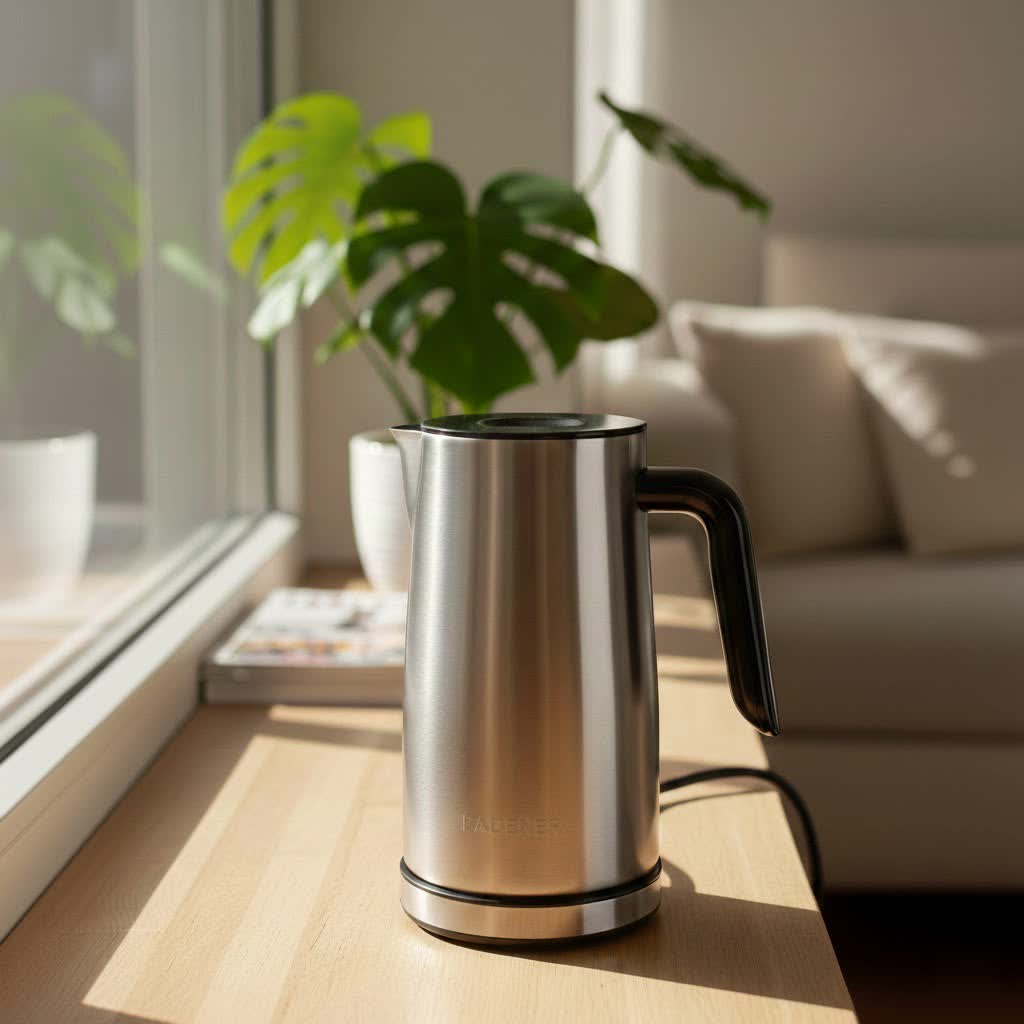
Imagine waking up to the rich aroma of freshly brewed coffee, effortlessly topped with a cloud of silky, velvety foam, just like your favorite café. This dream is now an everyday reality, thanks to the automatic milk frother. This innovative kitchen gadget has revolutionized home beverage making, allowing coffee enthusiasts to create professional-quality lattes, cappuccinos, and more with the touch of a button. Whether you’re a seasoned barista or simply looking to upgrade your morning routine, an auto milk frother brings convenience and consistent perfection to your cup.
What is an Automatic Milk Frother and Why Do You Need One?
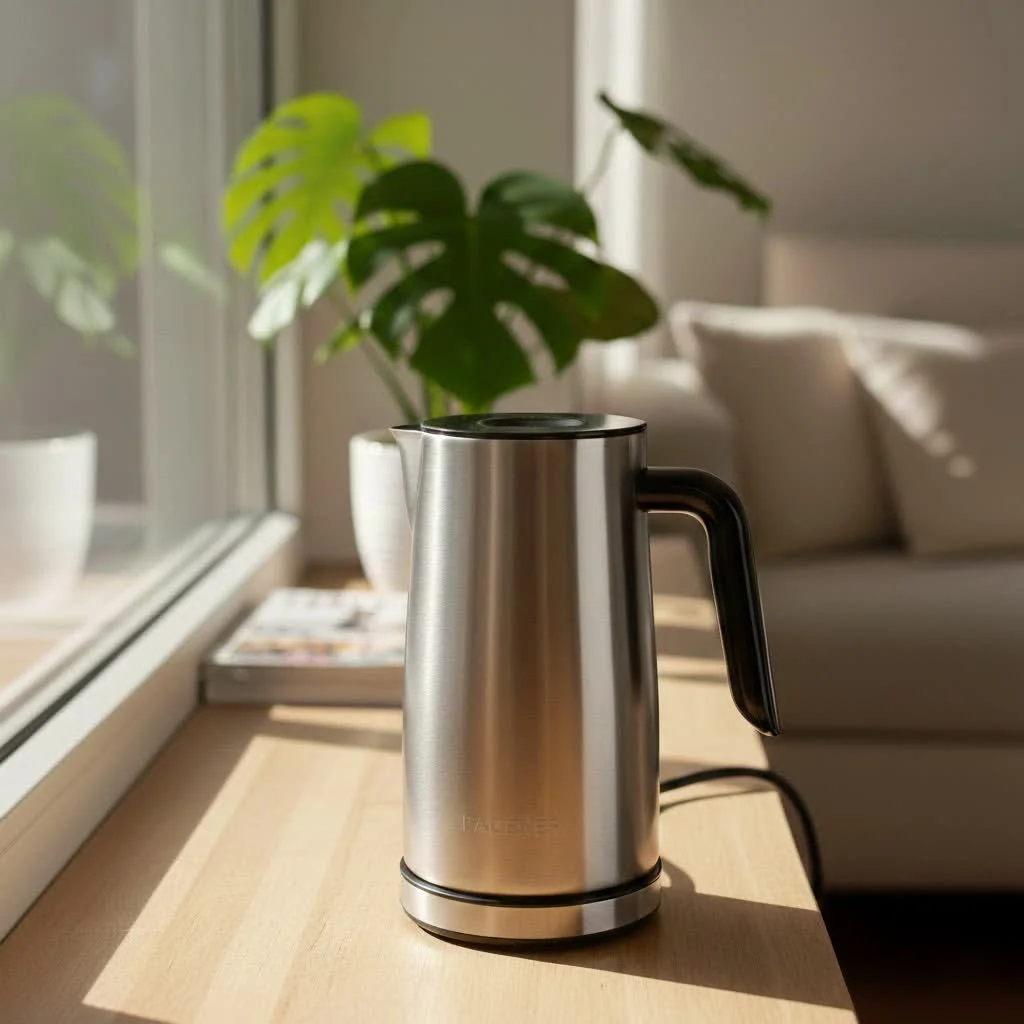
An automatic milk frother is an electric device designed to heat and aerate milk, transforming it into rich, creamy foam without any manual effort. Unlike traditional methods or handheld wands, these machines handle the entire frothing process for you, from heating to whisking.
The benefits of integrating an automatic milk frother into your kitchen are numerous. Firstly, it offers unparalleled convenience, freeing you from the fuss of steaming wands or manual pumps. Simply add milk, select your desired setting, and let the machine work its magic. Secondly, it ensures consistent quality, producing perfectly textured foam every time, regardless of your experience level. This consistency is key to recreating those beloved café-style drinks at home. You’ll also enjoy significant cost savings over time, as making your own specialty beverages becomes far more economical than daily trips to the coffee shop. Finally, an auto milk frother opens up a world of creative possibilities, allowing you to craft popular drinks like frothy cappuccinos, smooth lattes, indulgent hot chocolates, and even refreshing cold foam for iced coffees.
Exploring the Different Types of Milk Frothers
While the term “milk frother” encompasses various tools, automatic models stand out for their hands-off operation. Understanding the distinctions helps you choose the best fit for your lifestyle.
-
Automatic Electric Milk Frothers: These are typically countertop devices that feature a jug with built-in heating elements and a whisk. You simply pour in your milk, select a setting (e.g., hot froth, cold froth, or heat only), and press a button. The machine does the rest, warming the milk and spinning the whisk to create foam. They are highly convenient, offer consistent results, and are perfect for those who want to minimize effort. Most operate quietly and come with non-stick interiors for easier cleaning.
-
Handheld Frothers: These are small, battery-operated wands with a whisk at the end. They require manual effort to froth milk in a separate cup or pitcher and do not typically heat the milk. They are the most affordable and portable option but offer less consistent foam quality and require you to heat the milk separately if you desire a warm beverage.
-
Steam Frothers (Integrated with Espresso Machines): Often found on espresso machines, these utilize pressurized steam to heat and froth milk. They produce a very fine, dense microfoam ideal for latte art, similar to what a professional barista creates. While they offer superior foam quality and temperature control, they come with a significant learning curve, are more expensive, and are usually part of a larger espresso setup.
For the purpose of achieving café-quality foam with minimal fuss, automatic electric milk frothers are often the preferred choice for home users.
Comparison of Popular Milk Frother Types
|
Our Picks for the Best Milk Frother in 2026
As an Amazon Associate I earn from qualifying purchases.
|
||
| Num | Product | Action |
|---|---|---|
| 1 | Zulay Kitchen Powerful Milk Frother Wand With 2 Duracell Batteries - Ultra Fast Handheld Drink Mixer - Electric Whisk Foam Maker for Coffee, Lattes, Cappuccino, Matcha, Hot Chocolate & Creamer - Black |

|
| 2 | Milk Frother Automatic, Electric Milk Frother and Steamer Removable Dishwasher Safe, Electromagnetic Heating, for Latte, Cappuccino, Chocolate Milk, Hot & Cold Foam, |
|
| 3 | Keurig SimpleCafe Frother, Rechargeable Handheld Milk Frother for Lattes, Cappuccinos & Iced Coffee, USB Cord Included, Microwave-Safe Frothing Cup, Hot & Cold Foam Maker |
|
| 4 | Nespresso Aeroccino 3 Milk Frother, Black, Steel |
|
| 5 | Zulay Kitchen Milk Frother Handheld Electric Whisk with AA Duracell Batteries – Durable Drink Mixer for Coffee, Lattes, Cappuccinos & More - Black |
|
| 6 | Zulay Powerful Milk Frother for Coffee with Upgraded Titanium Motor - Handheld Electric Whisk, Milk Foamer, Mini Mixer & Coffee Blender for Frappe, Latte, Matcha, No Stand - Silver |
|
| 7 | Milk Frother, 4-in-1 Electric Milk Steamer, 350ml/11.8oz Automatic Frother Machine for Coffee, Warm and Cold Foam, Temperature Control for Latte, Cappuccino, Hot Chocolate |
|
| 8 | Nespresso Aeroccino 4 Milk Frother |
|
| 9 | Maestri House Rechargeable Milk Frother with Stand, LunaFro Handheld Electric Foam Maker Waterproof Detachable Stainless Steel Whisk Drink Mixer Foamer for Lattes, Cappuccino |
|
| 10 | Milk Frother, 4-in-1 Milk Frother and Steamer, 10.6oz Electric Milk Steamer, Automatic Cold and Hot Foam maker for Lattes, Cappuccinos, Ceramic Lining Interior (Polished) |
|
| Feature | Automatic Electric Frother | Handheld Frother | Steam Frother (Espresso Machine) |
|---|---|---|---|
| Price | Medium to High | Low | High (part of espresso machine) |
| Convenience | Very High (one-touch) | Medium (manual effort) | Low (learning curve) |
| Foam Quality | High (consistent, creamy) | Medium (airy, less consistent) | Very High (dense microfoam) |
| Durability | High | Medium | Very High |
| Cleaning | Medium (detachable parts) | Very Easy (rinse whisk) | Medium to Difficult (steam wand purge) |
| Heating | Yes (hot & cold options) | No | Yes |
| Latte Art | Good (with practice) | Limited | Excellent (professional level) |
How to Choose the Right Automatic Milk Frother
Selecting the perfect automatic milk frother involves considering several factors to ensure it meets your specific needs and preferences.
- Determine Your Usage Needs: How often will you use it? Do you make drinks for just yourself or for the whole family? This impacts the ideal capacity and durability you’ll need. Do you prefer hot or cold beverages, or both? Many automatic frothers offer settings for both hot and cold foam, making them versatile for year-round enjoyment.
- Set a Budget: Automatic milk frothers range in price. Basic models offer essential frothing, while higher-end devices come with more features like precise temperature control, multiple whisk attachments, and more robust construction. A mid-range model often provides a good balance of features and value.
- Key Features to Look For:
- Temperature Control: Some advanced models allow you to set the exact temperature, crucial for different milk types and personal preferences. The ideal temperature for frothing milk is typically between 140–160°F (60–71°C).
- Cold Foam Setting: If iced lattes or cold brews are your favorites, ensure your frother has a dedicated cold froth option.
- Multiple Frothing Modes: Beyond hot and cold, some offer different foam consistencies (e.g., dense for cappuccino, light for latte).
- Ease of Cleaning: Look for models with non-stick interiors, removable parts that are dishwasher safe, or an easy-to-wipe-clean design. This is a critical factor for long-term satisfaction.
- Capacity: Frothers come in various sizes. A single-serve capacity (4-8 oz) is perfect for one, while larger models (12+ oz) are better for multiple servings or entertaining.
- Material and Build Quality: Stainless steel jugs are durable and often easier to clean than plastic. A sturdy base and well-designed whisk contribute to longevity and consistent performance.
- Quiet Operation: While all electric devices make some noise, some frothers are designed to be quieter, which can be a bonus for early morning use.
- Pour Spout Design: If you’re interested in attempting latte art, a well-designed pour spout can make a significant difference in control and precision.
- Brand Reputation and User Reviews: Research reputable brands known for quality kitchen appliances. Reading user reviews can provide invaluable insights into real-world performance, durability, and any common issues.
Top Automatic Milk Frother Features to Prioritize
When looking for a top-rated automatic milk frother, focus on features that consistently deliver excellent results and enhance user experience. These models typically excel in producing microfoam with proper density and consistency. They often boast precise temperature control to avoid scalding milk, ensuring a perfect taste profile every time. Fast operation is also a common characteristic, allowing you to enjoy your frothed milk quickly. Top frothers often feature robust build quality with durable materials like stainless steel, contributing to their longevity. Look for devices that offer versatility, such as multiple settings for various foam textures and the ability to create both hot and cold foam.
Essential Tips for Using and Maintaining Your Automatic Milk Frother
To get the most out of your automatic milk frother and ensure its longevity, follow these practical tips.
Tips for Creating Perfect Frothed Milk
- Choose the Right Milk: Whole milk generally produces the creamiest, most stable foam due to its higher fat content. Skim or low-fat milk can also froth well but may result in a lighter foam. For plant-based alternatives, look for “barista blend” versions of oat, almond, or soy milk, as these are formulated to foam better than their regular counterparts. Avoid watery options like rice milk.
- Use Cold Milk: Always start with fresh, cold milk straight from the refrigerator. This allows the frother more time to incorporate air before the milk heats up, resulting in a richer, more voluminous foam.
- Don’t Overfill: Most frothers have clear maximum fill lines for both heating and frothing. Overfilling can lead to spills and affect foam quality.
- Experiment with Settings: If your frother has multiple settings, try different ones to find the foam consistency you prefer for various drinks.
Cleaning and Maintenance for Longevity
Proper cleaning is crucial for both hygiene and the performance of your frother.
- Rinse Immediately: After each use, rinse the frother’s jug with warm water to prevent milk residue from drying and sticking.
- Gentle Cleaning: For a more thorough clean, use a soft sponge and mild soap. Many models have detachable whisks and lids that can be easily rinsed or are dishwasher safe.
- Avoid Abrasives: Do not use abrasive cleaners or scouring pads, as these can scratch non-stick coatings or stainless steel surfaces.
- Protect the Base: If your frother has an electric base, never submerge it in water. Wipe it clean with a damp cloth.
- Regular Deep Clean: For stubborn residue, some manufacturers recommend soaking the interior in a vinegar-water solution (1:1 ratio) for 10-15 minutes, then rinsing thoroughly.
Conclusion
An automatic milk frother is more than just a kitchen appliance; it’s an invitation to improve your daily coffee ritual. With its ease of use, consistent results, and ability to create a wide array of creamy beverages, it transforms your home into a personal café. By understanding the different types, key features, and proper maintenance, you can confidently choose the best auto milk frother to unlock a world of delicious, foamy possibilities. Why settle for ordinary when extraordinary is just a button press away?
Frequently Asked Questions
What is the ideal temperature for frothing milk with an automatic frother?
Most automatic frothers heat milk to an ideal temperature between 140–160°F (60–71°C) for optimal foam texture and taste. This range is hot enough for drinks like lattes and cappuccinos without scalding the milk.
Can automatic milk frothers make cold foam?
Yes, many modern automatic milk frothers come with a dedicated “cold foam” setting that aerates milk without heating it, perfect for iced coffees, cold brews, and other chilled beverages.
How do automatic milk frothers compare to steam wands on espresso machines?
Automatic milk frothers are generally easier to use and offer greater convenience for home users, providing consistent foam with a single touch. Steam wands on espresso machines, while requiring more skill, can produce a finer, denser microfoam ideal for intricate latte art.
What types of milk froth best in an automatic frother?
Whole dairy milk typically produces the creamiest and most stable foam. For plant-based alternatives, barista-blend oat, almond, or soy milks are recommended as they are designed for better frothing performance. Starting with fresh, cold milk also helps achieve optimal results.
Get our weekly buyer guide
Practical specs, not advice. Unsubscribe anytime.
