
Are you yearning for that perfectly frothed milk in your morning latte or a creamy cappuccino, but find the thought of mastering a steam wand daunting? You’re not alone. Many coffee enthusiasts dream of recreating their favorite cafe beverages at home without the fuss. Enter the automatic milk frother, a major upgrade for anyone seeking barista-quality foam with minimal effort. These ingenious devices transform ordinary milk into luxurious froth, opening up a world of delightful drink possibilities right in your kitchen. Forget manual whisking or complicated techniques; an automatic milk frother is your ticket to consistent, velvety foam, hot or cold, at the touch of a button. It’s about bringing the cafe experience home, effortlessly elevating your daily coffee ritual into a moment of pure indulgence.
What is an Automatic Milk Frother and Why Do You Need One?
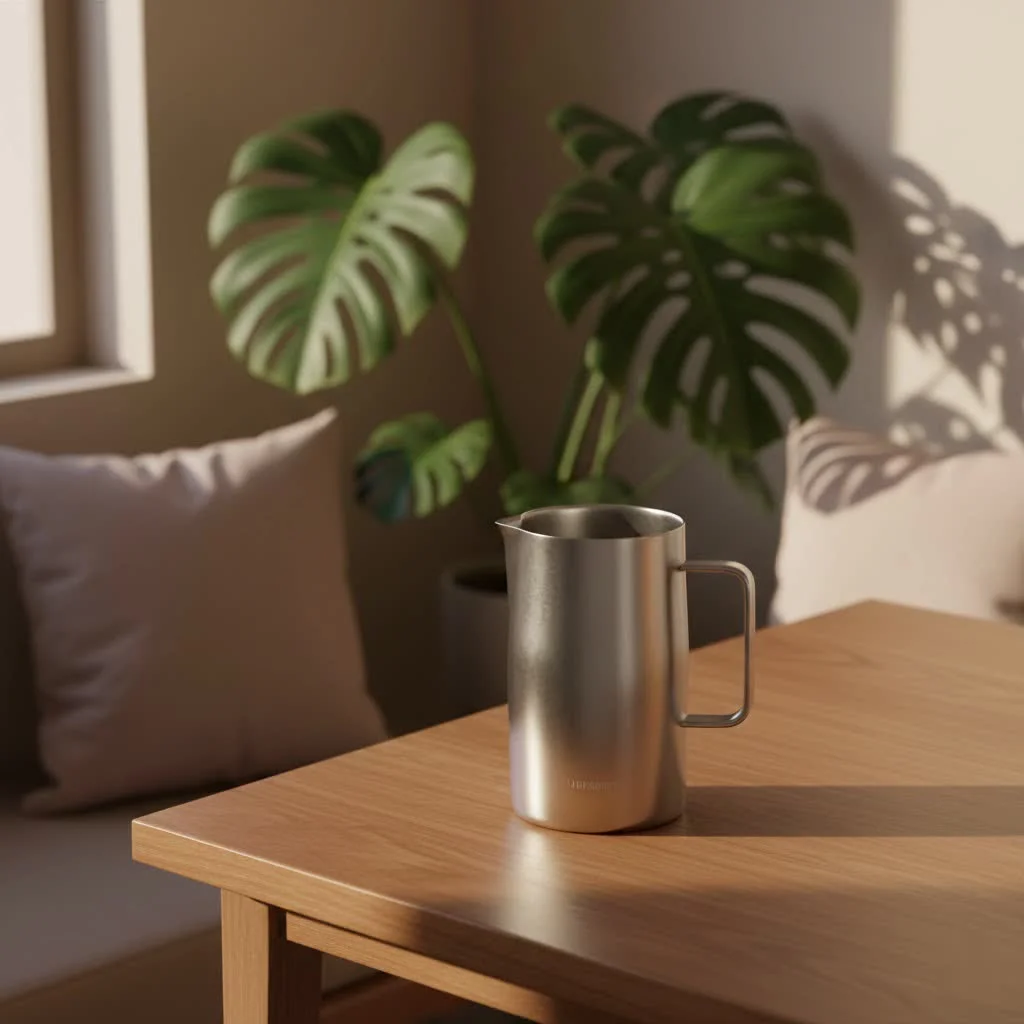
An automatic milk frother is an electric appliance designed to heat and aerate milk, creating a smooth, creamy foam without manual intervention. Unlike handheld wands or traditional steam wands found on espresso machines, automatic models typically feature a self-contained jug with internal heating elements and a whisking mechanism. Simply pour in your milk, select a setting, and let the machine work its magic, delivering perfectly frothed milk in minutes.
The benefits of incorporating an automatic milk frother into your home coffee bar are numerous. Firstly, it offers unparalleled convenience. With just a press of a button, you can achieve consistent, high-quality foam every time, eliminating the guesswork and effort associated with manual methods. This convenience also translates into time-saving, allowing you to enjoy your gourmet drinks without a lengthy preparation process. Owning a frother at home is incredibly cost-effective in the long run. Imagine the savings from making your favorite lattes, cappuccinos, macchiatos, and hot chocolates at home instead of buying them daily from a cafe. It also encourages creativity, empowering you to experiment with different milk types, temperatures, and drink recipes to customize your beverages to perfection.
Many popular beverages rely on perfectly frothed milk for their signature texture and taste. Cappuccinos feature a rich, airy foam, while lattes boast a smoother, more integrated microfoam. Macchiatos often highlight a delicate layer of froth, and hot chocolates are transformed by a generous topping of fluffy, warm milk. An automatic milk frother makes all these delightful creations easily accessible, allowing you to indulge in cafe-quality drinks whenever the craving strikes.
Exploring the Popular Types of Milk Frothers on the Market
While this guide focuses on automatic milk frothers, it’s helpful to understand the broader landscape of frothing devices to appreciate the automatic model’s unique advantages. Milk frothers come in several forms, each with distinct features, pros, and cons.
Handheld Frothers
|
Our Picks for the Best Milk Frother in 2026
As an Amazon Associate I earn from qualifying purchases.
|
||
| Num | Product | Action |
|---|---|---|
| 1 | Zulay Kitchen Milk Frother Handheld Electric Whisk with AA Duracell Batteries – Durable Drink Mixer for Coffee, Lattes, Cappuccinos & More - Black |

|
| 2 | Keurig SimpleCafe Frother, Rechargeable Handheld Milk Frother for Lattes, Cappuccinos & Iced Coffee, USB Cord Included, Microwave-Safe Frothing Cup, Hot & Cold Foam Maker |
|
| 3 | Zulay Kitchen Powerful Milk Frother Wand With 2 Duracell Batteries - Ultra Fast Handheld Drink Mixer - Electric Whisk Foam Maker for Coffee, Lattes, Cappuccino, Matcha, Hot Chocolate & Creamer - Black |
|
| 4 | Milk Frother, 4-in-1 Electric Milk Steamer, 350ml/11.8oz Automatic Frother Machine for Coffee, Warm and Cold Foam, Temperature Control for Latte, Cappuccino, Hot Chocolate |
|
| 5 | Milk Frother, 4-in-1 Milk Frother and Steamer, 10.6oz Electric Milk Steamer, Automatic Cold and Hot Foam maker for Lattes, Cappuccinos, Ceramic Lining Interior (Polished) |
|
| 6 | Nespresso Aeroccino 4 Milk Frother |
|
| 7 | Milk Frother Automatic, Electric Milk Frother and Steamer Removable Dishwasher Safe, Electromagnetic Heating, for Latte, Cappuccino, Chocolate Milk, Hot & Cold Foam, |
|
| 8 | Nespresso Aeroccino 3 Milk Frother, Black, Steel |
|
| 9 | Zulay Powerful Milk Frother for Coffee with Upgraded Titanium Motor - Handheld Electric Whisk, Milk Foamer, Mini Mixer & Coffee Blender for Frappe, Latte, Matcha, No Stand - Silver |
|
| 10 | Maestri House Rechargeable Milk Frother with Stand, LunaFro Handheld Electric Foam Maker Waterproof Detachable Stainless Steel Whisk Drink Mixer Foamer for Lattes, Cappuccino |
|
Handheld frothers are compact, battery-operated wands that use a small whisk to aerate milk.
- Advantages: They are highly affordable, portable, and require minimal storage space. They are excellent for quick, single-serve frothing and can be used for both hot and cold milk (though they don’t heat the milk themselves).
- Disadvantages: They require manual effort to achieve the desired foam, and consistency can vary. They don’t heat the milk, so you’ll need to warm it separately if you want hot froth. The foam quality is often less refined compared to electric models.
- How to Use: Heat your milk in a saucepan or microwave, then immerse the whisk end of the frother into the milk and activate it, moving it up and down until foam forms.
Electric Frothers (Automatic)
Electric frothers, particularly automatic models, are the stars of the show, offering a hands-off approach to milk frothing and heating. These are typically countertop appliances, often resembling small pitchers.
- Advantages: They are incredibly convenient, providing consistent, high-quality hot or cold foam with the push of a button. Many models offer multiple settings for different foam textures (e.g., latte or cappuccino style) and temperature control. They are ideal for home baristas seeking ease and reliability.
- Disadvantages: Generally more expensive than handheld frothers, they require counter space and can sometimes be bulkier. Cleaning can be straightforward with non-stick interiors but might involve more steps than a simple rinse for some models.
- Types:
- Fully Automatic: These devices handle both heating and frothing automatically, stopping when the desired texture and temperature are reached. Most home-use electric frothers fall into this category.
- Semi-Automatic (less common as standalone): While most electric frothers are fully automatic, some high-end espresso machines might have semi-automatic steam wands where the machine helps with the steaming process, but the user still guides the wand. For standalone units, the ‘automatic’ term usually implies full automation.
Steam Frothers (Integrated with Espresso Machines)
Steam frothers utilize steam pressure from an espresso machine to heat and aerate milk.
- Advantages: Capable of producing professional-grade microfoam, which is essential for latte art. They offer precise control over milk texture and temperature for experienced users.
- Disadvantages: These are typically part of a larger, more expensive espresso machine setup. They have a significant learning curve, requiring skill and practice to achieve consistent results. Cleaning the steam wand immediately after use is crucial to prevent milk residue buildup. They are often less convenient for casual users who simply want foamed milk without the full espresso-making process.
Comparative Glance: Choosing Your Ideal Milk Frother
To help you decide which type of frother best suits your needs, here’s a comparative overview:
| Feature | Handheld Frother | Electric Frother (Automatic) | Steam Frother (Espresso Machine) |
|---|---|---|---|
| Price | Low | Medium to High | High (part of espresso machine) |
| Convenience | High (portable) | Very High (one-touch) | Medium (skill-dependent) |
| Foam Quality | Medium | High | Very High (microfoam) |
| Heating | No (milk heated separately) | Yes (integrated) | Yes (integrated with steam) |
| Consistency | Medium (user-dependent) | High | High (with skill) |
| Ease of Cleaning | Easy | Medium (non-stick helps) | Medium (requires immediate cleaning) |
| Space | Minimal | Medium | Significant (espresso machine) |
Your Essential Guide to Selecting the Right Automatic Milk Frother
Choosing the perfect automatic milk frother involves considering several factors tailored to your lifestyle and coffee preferences. With the array of models available, a thoughtful approach will ensure you find a device that brings joy to your daily routine.
Define Your Usage Needs
- Frequency: How often will you use your frother? Daily users might prioritize durability and ease of cleaning, while occasional users might opt for more budget-friendly options.
- Quantity: Do you typically make one drink at a time, or do you need enough frothed milk for multiple servings? Frothers come in various capacities, from single-serve (4-8 oz) to larger family-sized jugs (12+ oz). Check the maximum fill lines for both frothing and heating, as frothing capacity is often less than heating capacity.
- Drink Types: What kind of beverages do you enjoy? If cold foam for iced lattes is a must, ensure the model has a cold froth setting. If you love cappuccinos, look for a frother that produces thick, airy foam. For lattes, a finer, silkier microfoam is preferred, and some frothers offer interchangeable whisks or settings for this.
Establish Your Budget
Automatic milk frothers range widely in price, from around $30 for basic models to over $150 for high-end devices with advanced features.
- Entry-Level (under $50): These often provide basic hot and cold frothing functions, good for those new to frothing or on a tight budget.
- Mid-Range ($50-$100): You’ll find more robust build quality, better non-stick coatings, and potentially more precise temperature controls or multiple foam settings.
- Premium ($100+): These frothers often boast sleek designs, advanced induction heating, multiple whisk attachments, highly customizable temperature and texture settings, and superior durability.
Essential Features to Look For
- Temperature Control: Some advanced models allow you to select specific temperature settings, which is crucial for achieving optimal foam and taste, especially with different milk types. Most automatic frothers heat milk to a standard ideal temperature (around 140-160°F or 60-71°C).
- Frothing Modes: Look for options like hot froth, cold froth, and simply heating milk without frothing. Some may even have specific settings for different foam densities (e.g., “latte” vs. “cappuccino”).
- Ease of Cleaning: This is paramount for hassle-free use. Frothers with non-stick interiors, removable parts, and dishwasher-safe components are highly desirable. Some even have an auto-clean function. Avoid models with intricate crevices where milk can get stuck.
- Material: Stainless steel offers durability and a sleek look, while non-stick coatings simplify cleaning.
- Quiet Operation: While all electric frothers make some noise, some are significantly quieter than others. User reviews often highlight noise levels, which can be an important factor for early morning coffee rituals.
- Safety Features: Automatic shut-off and overheating protection are standard and important for peace of mind.
- Design and Footprint: Consider how much counter space you have and if the frother’s aesthetic complements your kitchen decor. Cordless jugs are often more convenient for pouring and serving.
Reputable Brands and User Reviews
Researching trusted brands and reading user reviews can provide invaluable insights into a frother’s performance, durability, and common issues. Brands like Nespresso, Breville, Instant Pot, and Bodum frequently appear in “best of” lists for their reliable automatic frothers. Pay attention to comments regarding foam consistency, heating efficiency, noise, and long-term durability.
Top Automatic Milk Frothers: A Curated Selection
Based on extensive market analysis and user feedback, several automatic milk frothers consistently stand out for their performance, features, and reliability. While specific models can vary, these examples highlight the best in class.
This section provides examples of popular automatic milk frothers and their general characteristics. Specific pricing and availability are subject to change.
Instant Pot Instant MagicFroth Milk Frother
- Pros: Often praised for its versatility with multiple foam and heat settings, offering good value for its price point. It can create various foam textures, including cold foam, and is generally easy to use and clean.
- Cons: Some users report that its capacity might be slightly smaller compared to other large-capacity models.
- Ideal for: Users seeking a versatile, budget-friendly option that performs well for both hot and cold beverages.
Nespresso Aeroccino4 Milk Frother
- Pros: Known for its sleek design, quiet operation, and ability to produce consistently fine, cafe-quality microfoam, especially for lattes and cappuccinos. It often features dishwasher-safe components for easy cleaning and multiple dedicated buttons for hot milk, hot air foam, or cold foam.
- Cons: Tends to be on the higher end of the price spectrum and may have a smaller capacity, typically suitable for one or two servings.
- Ideal for: Nespresso machine owners looking for a matching, high-quality frother, or anyone prioritizing aesthetics and consistently excellent foam.
Breville Milk Cafe Frother
- Pros: A premium option celebrated for its large capacity, precise temperature control dial, and often includes two interchangeable frothing discs (one for lattes, one for cappuccinos). It excels with both dairy and plant-based milks and is a favorite for making hot chocolate.
- Cons: It’s one of the more expensive automatic frothers and requires significant counter space.
- Ideal for: Serious coffee enthusiasts, families, or those who frequently prepare multiple drinks and desire ultimate control over temperature and foam texture.
Maestri House Milk Frother
- Pros: Often highlighted for its reasonable price point balanced with strong performance and versatility. It generally delivers a good range of hot and cold foam options.
- Cons: May not have the brand recognition or as many advanced features as top-tier competitors.
- Ideal for: A solid mid-range option for those seeking a balance of quality and affordability.
Keurig Standalone Frother
- Pros: Compact design, straightforward operation, and particularly noted for producing good results with non-dairy milks like almond and oat milk. Features a non-stick interior for easy cleaning.
- Cons: Limited capacity and often offers only basic hot foam or cold foam settings, making it less versatile than some competitors. It can also be a bit pricey for its limited functions.
- Ideal for: Keurig users, individuals with limited counter space, or those primarily frothing non-dairy alternatives.
When comparing these options, consider the quality of foam (some are better for latte art, others for airy cappuccino foam), durability, noise levels, and how easily each model integrates into your daily routine. Reading recent customer reviews for each specific model can provide valuable real-world feedback.
Mastering Your Automatic Milk Frother: Tips for Perfect Foam and Maintenance
An automatic milk frother is designed for ease of use, but a few simple tips can help you achieve the best possible results and ensure your appliance has a long lifespan.
Achieving Perfect Foam Every Time
- Start with Cold, Fresh Milk: For optimal frothing, always use cold milk straight from the refrigerator. Cold milk allows for more air incorporation and a more stable foam structure.
- Choose the Right Milk: Whole milk generally produces the creamiest, most stable foam due to its higher fat content. Skim or low-fat milk can froth well but may yield a lighter, less rich foam. For plant-based alternatives, barista-blend versions of oat, almond, or soy milk are formulated with added fats or stabilizers to froth much better than regular varieties. Avoid very watery options like rice milk, which often result in thin foam.
- Don’t Overfill: Pay close attention to the “max fill” lines indicated inside your frother. Overfilling can lead to spills and overflowing, impacting foam quality and potentially damaging the machine. The frothing line is usually lower than the heating-only line.
- Experiment with Settings: If your frother has multiple settings for foam thickness or temperature, take the time to experiment. A “latte” setting might produce finer, silkier microfoam, while a “cappuccino” setting will create a more voluminous, airy foam.
- Pour Immediately: Frothed milk is best used immediately. Foam starts to deflate within 5-10 minutes, so prepare your espresso or coffee first, then froth your milk right before pouring.
Essential Cleaning and Maintenance Tips
Regular cleaning is crucial to prevent milk residue buildup, which can affect taste, hygiene, and the frother’s performance.
- Rinse Immediately After Use: The golden rule for any milk frothing device is to rinse it with warm water immediately after each use. This prevents milk from drying and sticking to the interior.
- Use Mild Soap and Soft Sponge: For a deeper clean, wipe the interior with a soft sponge and mild dish soap. Many frothers have non-stick coatings, so avoid abrasive cleaners or scouring pads that could scratch the surface.
- Check for Dishwasher-Safe Parts: Many lids and whisks are dishwasher-safe, but always check your specific model’s manual. Never submerge the electrical base of the frother in water.
- Remove and Clean Whisk: Detach the whisk from the bottom of the jug and clean it thoroughly, ensuring no milk residue remains in its crevices.
- Troubleshooting Common Issues:
- No Foam/Thin Foam: Ensure you’re using fresh, cold milk and not overfilling. Try a different type of milk (e.g., whole milk or barista-blend plant-based). Check if the whisk is properly attached.
- Milk Not Heating: Verify the frother is plugged in correctly and the heating element is clean. Refer to your manual for specific troubleshooting steps.
- Strange Smell: This usually indicates milk residue buildup. Perform a thorough cleaning.
> “The secret to perfectly frothed milk isn’t just the machine, but understanding the milk itself. Freshness, temperature, and the right fat content are key components to unlocking that dreamy, velvety texture.” – Maria Rossi, Head Barista, The Daily Grind
Conclusion
An automatic milk frother is an invaluable addition to any kitchen, transforming your home coffee experience from ordinary to extraordinary. With its ability to effortlessly create rich, creamy foam for both hot and cold beverages, it offers unparalleled convenience, consistency, and a touch of cafe-style luxury. Whether you’re a seasoned coffee connoisseur or simply enjoy a delicious foamy drink, the right automatic milk frother can improve your daily ritual, making gourmet coffee creations accessible at the touch of a button. Consider your needs, explore the options, and get ready to savor perfectly frothed milk every single day. What will be your first delicious creation with your new automatic milk frother?
Frequently Asked Questions
What is the ideal temperature for frothing milk?
Most automatic frothers heat milk to an ideal temperature between 140-160°F (60-71°C). This range is hot enough to be enjoyable without scalding the milk, which can alter its taste and frothing properties.
Can automatic milk frothers make cold foam?
Yes, many modern automatic milk frothers come with a dedicated cold froth setting. This feature aerates the milk without heating it, producing a light and airy foam perfect for iced coffees, cold brews, and other chilled beverages.
What kind of milk is best for an automatic frother?
Whole dairy milk generally yields the best, creamiest, and most stable foam due to its higher fat content. For non-dairy options, barista-blend versions of oat, almond, or soy milk are specifically formulated to froth well in automatic frothers.
How do you clean an automatic milk frother?
After each use, rinse the frother jug with warm water immediately. For a more thorough clean, wipe the interior with a soft sponge and mild dish soap. Ensure the whisk is also cleaned. Never submerge the electrical base in water.
Get our weekly buyer guide
Practical specs, not advice. Unsubscribe anytime.
