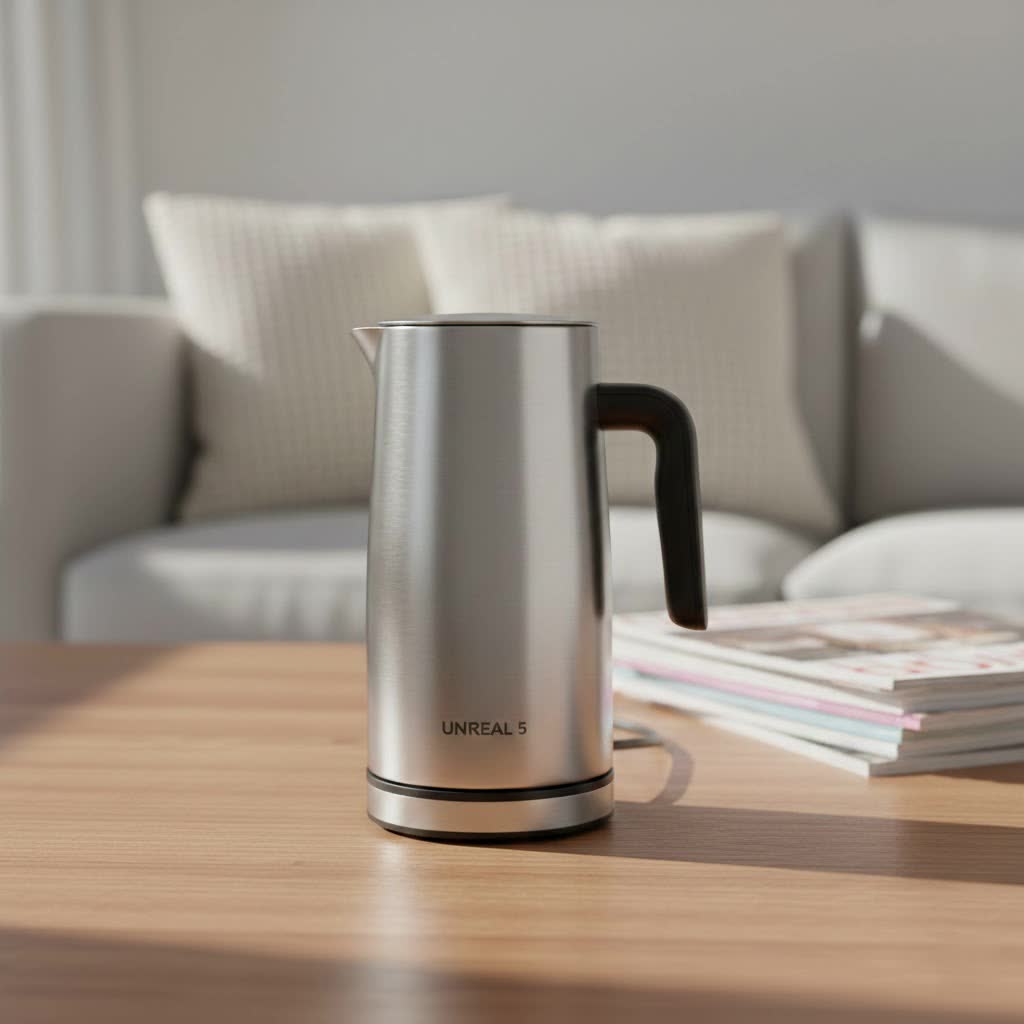
Imagine waking up to the rich aroma of freshly brewed coffee, then effortlessly transforming it into a velvety latte or a frothy cappuccino, all in the comfort of your kitchen. The dream of crafting coffee shop-quality beverages at home is more accessible than ever, thanks to the humble yet powerful electric milk frother. These convenient devices take the guesswork out of achieving that perfect microfoam, allowing you to improve your daily coffee ritual and explore a world of creamy concoctions. But with so many options available, how do you choose the one that’s right for you?
This comprehensive guide will walk you through everything you need to know about electric milk frothers, from understanding their core function to selecting the best model that fits your lifestyle and budget, ensuring every sip is a luxurious experience. For expert home coffee reviews on this site.
What is a Milk Frother and Why Do You Need One?
At its heart, a milk frother is a kitchen appliance designed to aerate milk, creating a light, airy foam or a smooth, velvety texture. While manual methods exist, electric milk frothers simplify this process by using a rapidly rotating whisk or paddle that incorporates air into the milk, stabilizing its proteins and increasing its volume. Many electric models also include a heating element, allowing them to warm the milk to an ideal temperature simultaneously.
The benefits of owning an electric milk frother extend far beyond mere convenience. For starters, it offers significant cost savings compared to daily coffee shop visits. Imagine the cumulative expense of a daily latte; an electric frother pays for itself quickly. They provide unparalleled convenience, letting you whip up your favorite drinks whenever the craving strikes, without leaving your home. Most importantly, they unlock a world of creativity, enabling you to experiment with various beverages, from classic cappuccinos and lattes to luxurious hot chocolates, rich macchiatos, and refreshing cold foam for iced drinks.
Exploring the Landscape of Milk Frothers
While our focus is on electric models, understanding the broader categories helps clarify why electric frothers are often the preferred choice for home baristas.
Handheld Milk Frothers
Handheld frothers are essentially battery-operated wands with a small whisk at the end. They are praised for their portability and low cost, often less than $20. They are excellent for creating foam directly in your mug, making them a great option for occasional use or for those short on counter space. However, they typically do not heat the milk, requiring you to warm it separately. Examples include the Zulay Kitchen Milk Boss or the Rösle Dual Speed Frother, which offer two speeds for varying foam textures.
Electric Milk Frothers (Countertop)
|
Our Picks for the Best Milk Frother in 2026
As an Amazon Associate I earn from qualifying purchases.
|
||
| Num | Product | Action |
|---|---|---|
| 1 | Zulay Powerful Milk Frother for Coffee with Upgraded Titanium Motor - Handheld Electric Whisk, Milk Foamer, Mini Mixer & Coffee Blender for Frappe, Latte, Matcha, No Stand - Silver |

|
| 2 | Milk Frother Automatic, Electric Milk Frother and Steamer Removable Dishwasher Safe, Electromagnetic Heating, for Latte, Cappuccino, Chocolate Milk, Hot & Cold Foam, |
|
| 3 | Milk Frother, 4-in-1 Milk Frother and Steamer, 10.6oz Electric Milk Steamer, Automatic Cold and Hot Foam maker for Lattes, Cappuccinos, Ceramic Lining Interior (Polished) |
|
| 4 | Milk Frother, 4-in-1 Electric Milk Steamer, 350ml/11.8oz Automatic Frother Machine for Coffee, Warm and Cold Foam, Temperature Control for Latte, Cappuccino, Hot Chocolate |
|
| 5 | Keurig SimpleCafe Frother, Rechargeable Handheld Milk Frother for Lattes, Cappuccinos & Iced Coffee, USB Cord Included, Microwave-Safe Frothing Cup, Hot & Cold Foam Maker |
|
| 6 | Maestri House Rechargeable Milk Frother with Stand, LunaFro Handheld Electric Foam Maker Waterproof Detachable Stainless Steel Whisk Drink Mixer Foamer for Lattes, Cappuccino |
|
| 7 | Zulay Kitchen Powerful Milk Frother Wand With 2 Duracell Batteries - Ultra Fast Handheld Drink Mixer - Electric Whisk Foam Maker for Coffee, Lattes, Cappuccino, Matcha, Hot Chocolate & Creamer - Black |
|
| 8 | Zulay Kitchen Milk Frother Handheld Electric Whisk with AA Duracell Batteries – Durable Drink Mixer for Coffee, Lattes, Cappuccinos & More - Black |
|
| 9 | Nespresso Aeroccino 3 Milk Frother, Black, Steel |
|
| 10 | Nespresso Aeroccino 4 Milk Frother |
|
Electric countertop milk frothers are the stars of the at-home coffee bar. These self-contained units boast numerous advantages, including automatic operation, integrated heating, and the ability to produce consistent, high-quality foam with minimal effort. They usually consist of a pitcher that sits on a heating base, and with the press of a button, they can froth and heat milk to your desired consistency and temperature.
- Automatic Electric Frothers: These are the most common type, heating and frothing milk entirely automatically, often with preset functions for different foam styles (e.g., latte, cappuccino, cold foam).
- Semi-Automatic Electric Frothers: Some higher-end models offer more precise control, such as adjustable temperature dials and interchangeable whisks for different foam textures.
Steam Frothers
Typically found integrated into espresso machines, steam wands use pressurized steam to heat and froth milk. They are highly effective at creating fine, velvety microfoam that is ideal for latte art. While they offer professional-level results, they require more skill and a larger investment in an espresso machine, placing them in a different category than standalone milk frothers.
Comparison Table: Key Milk Frother Types
| Feature | Handheld Frother | Electric Frother (Countertop) | Steam Frother (Espresso Machine) |
|---|---|---|---|
| Price | Low | Medium to High | High (part of espresso machine) |
| Convenience | High (portable) | High (automatic, hands-free) | Medium (requires skill) |
| Foam Quality | Medium (airy) | High (consistent, versatile) | Very High (microfoam for latte art) |
| Heating | No (manual pre-heat) | Yes (integrated) | Yes (integrated) |
| Cleaning | Easy (whisk rinse) | Medium (pitcher clean) | Medium (wand purge/wipe) |
How to Choose the Right Electric Milk Frother
Selecting the perfect electric milk frother involves considering your personal habits, preferences, and kitchen setup.
-
Determine Your Usage Needs:
- Frequency: Will you use it daily or occasionally? Daily users benefit from more robust and feature-rich models.
- Quantity: Do you make a single drink or multiple servings? Look at the frother’s capacity. Most electric frothers can froth 4-8 ounces for foam or heat up to 8-16 ounces of milk.
- Drink Types: Do you primarily want hot lattes, cold foam, or hot chocolate? Ensure the frother has settings for your desired beverages.
-
Set Your Budget:
Electric milk frothers typically range from $30 to $160, with some premium models costing up to $250. More expensive models often offer greater versatility and durability. -
Prioritize Essential Features:
- Temperature Control: Look for models with adjustable temperature settings if you have a specific preference for hot or warm milk. Some frothers can achieve temperatures from 100°F to over 160°F. Many electric models also offer cold frothing options.
- Multiple Frothing Settings: Different whisk attachments or button presets allow for varied foam textures, from thin, pourable latte-style microfoam to thick, dense cappuccino foam.
- Ease of Cleaning: This is crucial. Detachable pitchers that are dishwasher-safe are a huge plus, as cooked milk film can be stubborn. Non-stick interiors also make handwashing easier.
- Capacity: Match the capacity to your typical serving size. Larger households might appreciate models with a 16-25 ounce capacity.
- Milk Compatibility: Ensure the frother performs well with both dairy and non-dairy milks (e.g., oat, almond, soy). Some models are specifically designed to optimize frothing for alternative milks.
- Quiet Operation: While all frothers make some noise, some are notably quieter, a benefit for early morning use.
- Design and Aesthetics: Consider how the frother will look on your counter and if its size fits your space.
-
Check Brand Reputation and User Reviews:
Reputable brands with strong customer feedback often indicate reliable performance and good customer support. Look for reviews that highlight foam quality, heating consistency, and long-term durability.
Top Electric Milk Frothers for Every Coffee Lover
Based on extensive testing and user reviews, several electric milk frothers consistently rise to the top for their performance, features, and value.
Instant Pot Instant MagicFroth 9-in-1 Milk Frother
- Why it stands out: Often lauded as a “best overall” or “best value” pick, the MagicFroth offers remarkable versatility with multiple foam and heat settings (up to nine combinations). It consistently produces silky, well-incorporated microfoam for both dairy and oat milk, heating between 140°F and 160°F. Its detachable, dishwasher-safe pitcher ensures easy cleanup, and its approachable price point makes it an excellent choice for most users.
- Considerations: Some users note that its frothing and heating cycles can be a bit longer than other models, sometimes taking up to five minutes.
Breville Milk Cafe Frother
- Why it stands out: This is often the “splurge” or “most versatile” option, ideal for those who demand precise control. It features a custom temperature dial, allowing you to heat milk from 100°F to over 160°F. With two whisk attachments, it excels at creating different foam textures (thin for lattes, dense for cappuccinos) and is particularly effective with plant-based milks. Its large 25-ounce capacity is perfect for multiple servings, and the induction heating method allows for a fully dishwasher-safe pitcher.
- Considerations: It comes with a higher price tag and a larger footprint than most frothers.
Nespresso Aeroccino4 Milk Frother
- Why it stands out: Known for its speed, quality, and quiet operation, the Aeroccino4 is a premium choice. It offers four settings (cold foam, hot milk, hot medium foam, and hot dense foam) and delivers excellent results quickly, often in just over a minute. Its stainless steel design is sleek, and the entire unit is dishwasher-safe for effortless cleaning. It performs effectively with both dairy and non-dairy milks.
- Considerations: The price is on the higher side, and some users find the internal min/max fill lines difficult to read.
Bodum Bistro Electric Milk Frother
- Why it stands out: This compact frother is an excellent choice for simplicity and hot, frothed milk. It’s ideal for beginners or those who primarily want hot foam for cappuccinos. It quickly delivers good results, including with oat milk, in under 90 seconds. Its top half is dishwasher-safe, making cleanup relatively easy, and its small footprint is great for limited counter space.
- Considerations: It offers limited settings (usually just one for hot froth) and can be a bit louder than other electric models.
Tips for Using and Maintaining Your Electric Milk Frother
To get the most out of your electric milk frother and ensure its longevity, here are some expert tips:
Achieving Perfect Foam
- Choose the Right Milk: Whole milk typically produces the richest, most stable foam due to its fat and protein content. However, many electric frothers are adept at frothing plant-based milks like oat milk and almond milk. For best results with non-dairy options, look for “barista blend” versions, which are formulated to froth better.
- Mind the Temperature: Electric frothers automatically handle heating, aiming for an ideal temperature between 135°F and 160°F, which is perfect for activating milk proteins for frothing without scorching the milk.
- Don’t Overfill: Always observe the “max foam” and “max milk” fill lines inside your frother’s pitcher. Overfilling can lead to spills and less effective frothing.
Cleaning and Care
- Clean Immediately: The golden rule for milk frothers is to clean them right after use. This prevents milk residue from drying and sticking, which can be very difficult to remove.
- Dishwasher-Safe Parts: If your frother has a detachable, dishwasher-safe pitcher, take advantage of it! For other parts like whisks, rinse them thoroughly under warm water.
- Handwashing: For non-dishwasher-safe pitchers or bases, use warm, soapy water and a soft sponge. A bottle brush can be helpful for narrow pitchers. Avoid abrasive scrubbers or harsh chemicals, which can damage non-stick coatings.
- Dry Thoroughly: Ensure all components are completely dry before reassembling or storing to prevent mildew or electrical issues.
Common Issues & Troubleshooting
- Flat Foam: This could be due to the type of milk (some plant milks are harder to froth), overfilling, or a dirty whisk. Ensure your whisk is clean and properly attached, and use fresh, cold milk up to the designated fill line.
- Scorched Milk: If your frother has temperature control, try a slightly lower setting. Otherwise, ensure you’re not running the cycle multiple times in a row without cleaning, which can lead to burnt residue.
- Noisy Operation: While some noise is normal, excessive rattling could indicate a loose whisk or a problem with the motor. Consult your manual or contact customer support.
> “The secret to café-quality drinks at home isn’t just a fancy espresso machine; it’s the consistent, silky microfoam an electric frother can deliver with remarkable ease.” – ReviewnBrew Admin, Home Appliance Expert
Conclusion
The journey from a simple cup of coffee to a barista-worthy masterpiece is made delightfully simple with the right electric milk frother. These innovative appliances empower you to save money, enjoy unparalleled convenience, and unleash your creativity, all while ensuring a consistently perfect, creamy texture.
Whether you’re seeking a budget-friendly option for daily lattes or a high-end model with precise temperature control for exploring intricate coffee artistry, there’s an electric milk frother out there waiting to improve your kitchen into your favorite café. By considering your needs, understanding key features, and following simple usage and maintenance tips, you can confidently choose a device that promises countless moments of creamy bliss.
What delicious, frothy creation will you whip up first with your new electric milk frother?
Frequently Asked Questions
Can I use an electric milk frother for cold foam?
Absolutely! Many electric milk frothers come with a dedicated “cold foam” setting, allowing you to create light, airy foam for iced coffees, cold brews, and other chilled beverages without heating the milk.
What kind of milk works best in an electric frother?
While most frothers work with a variety of milks, whole dairy milk typically produces the richest and most stable foam. For non-dairy options, “barista blend” oat milk or almond milk often yields superior results as they are formulated to froth more effectively.
Are electric milk frothers easy to clean?
Many electric frothers feature detachable pitchers, with some being entirely dishwasher-safe, making cleanup very easy. For models that require handwashing, non-stick interiors and prompt cleaning after each use are key to preventing milk residue from sticking.
How long do electric milk frothers last?
With proper care and maintenance, a good quality electric milk frother can last for several years. Durability often correlates with price, with higher-end models typically built to withstand more frequent use.
What’s the difference between an electric frother and a steam wand?
An electric frother uses a whisk to aerate and often heat milk automatically, producing a range of foam textures. A steam wand, typically found on espresso machines, uses high-pressure steam to simultaneously heat and texture milk, creating a very fine microfoam ideal for intricate latte art, but requiring more manual skill.
Get our weekly buyer guide
Practical specs, not advice. Unsubscribe anytime.
