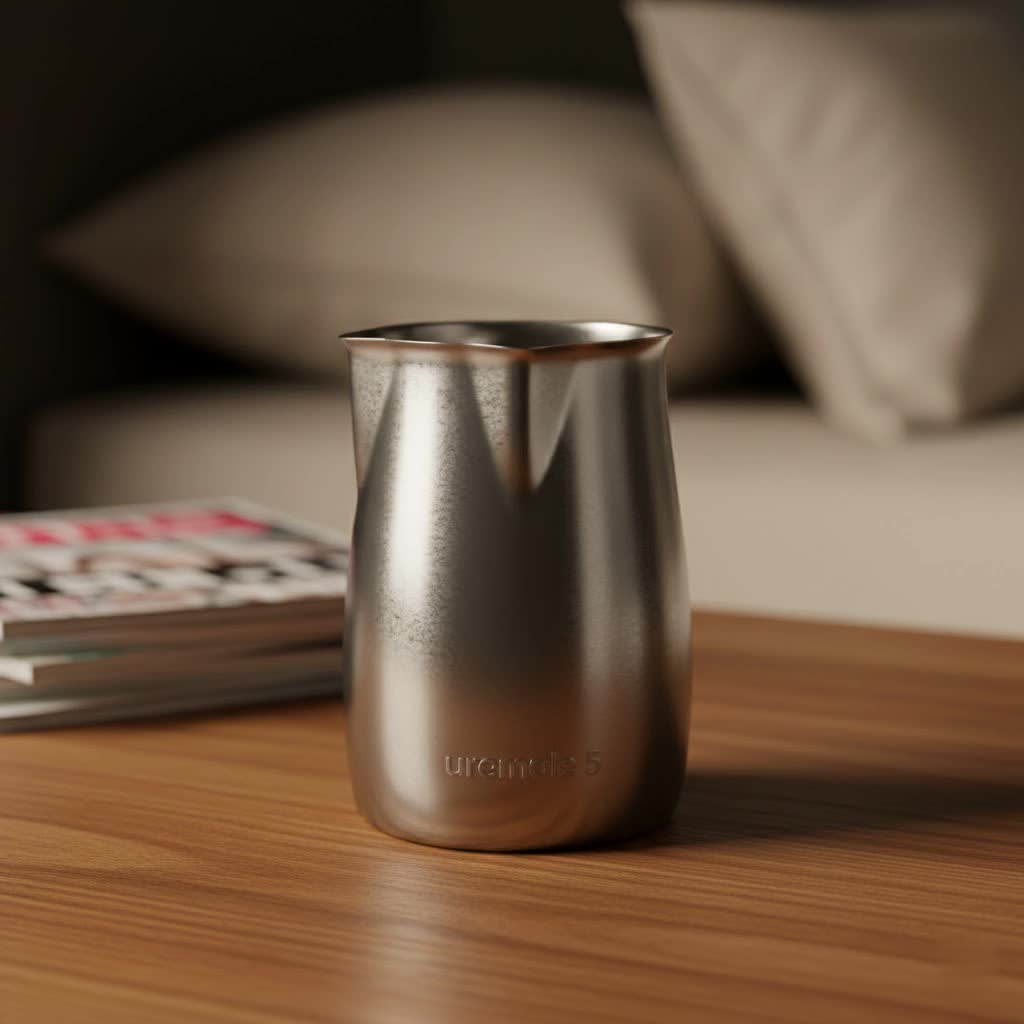
Imagine waking up to the rich aroma of freshly brewed coffee, effortlessly crowned with velvety, perfectly frothed milk. For many coffee enthusiasts, this dream is now an everyday reality, thanks to the continuous advancements in home coffee technology. From simple handheld devices to sophisticated all-in-one machines, the world of milk frothers and coffee makers has evolved to bring barista-quality beverages right into your kitchen. Whether you crave a creamy latte, a fluffy cappuccino, or a delicate macchiato, understanding these innovative appliances is key to unlocking your perfect cup. Join us as we explore the exciting possibilities and help you find the ideal setup to match your brewing aspirations.
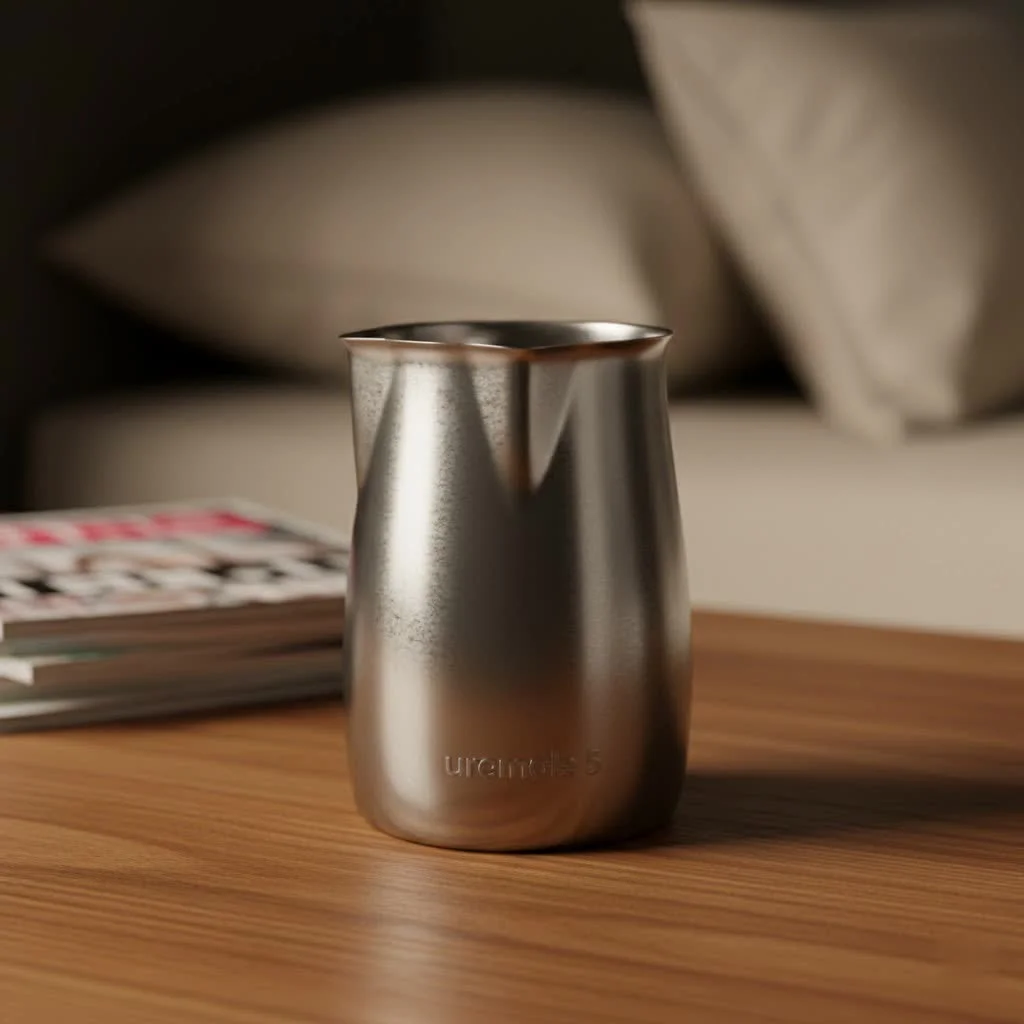
What is a Milk Frother and Why You Need One with Your Coffee Maker?
A milk frother is a dedicated kitchen tool designed to transform ordinary milk into a luxurious, airy foam by incorporating tiny air bubbles, enhancing both the texture and flavor of your coffee beverages. While a coffee maker brews your desired coffee base—be it espresso, drip, or single-serve—a milk frother adds the crucial element of steamed or frothed milk, essential for specialty drinks. Integrating a milk frother with your coffee maker offers numerous benefits, primarily allowing you to craft a wide range of café-style drinks at home, saving you money and time spent at coffee shops. It also provides the convenience to experiment with different milk types and frothing techniques, fostering creativity in your daily ritual. Popular drinks like cappuccinos, lattes, and macchiatos heavily rely on well-prepared milk foam to balance the boldness of coffee with a sweet, creamy finish.
Types of Milk Frothers Commonly Found with Coffee Makers
The landscape of milk frothers, especially when paired with coffee makers, offers several distinct types, each with its own operational method, advantages, and ideal use case.
Handheld Frothers
These are small, battery-operated whisk wands.
- Pros: Highly portable, compact, and affordable. They are excellent for quick, on-demand frothing of small quantities of milk.
- Cons: Require manual effort, and the milk needs to be heated separately. Foam quality can be inconsistent, and they typically produce larger bubbles compared to other methods.
- Usage: Heat milk on a stovetop or in a microwave, then insert the frother and whisk until desired foam consistency is achieved.
Electric Frothers (Standalone or Integrated)
Electric frothers come in two main forms: standalone countertop devices and those integrated into coffee machines.
- Standalone Electric Frothers: These automatic devices typically feature a carafe with an electric heating element and a whisk.
- Pros: Offer push-button convenience, consistent foam quality, and often include options for different foam textures (light, thick) and temperatures (hot, cold). They also heat the milk automatically.
- Cons: Can be pricier than handheld options and take up additional counter space.
- Integrated Electric Frothers: Found in many automatic or super-automatic espresso machines, these systems often draw milk from a container and froth it directly into your cup.
- Pros: Maximum convenience, one-touch operation for specialty drinks like lattes and cappuccinos. Excellent for consistent, velvety microfoam.
- Cons: Often proprietary to the machine, which can limit customization. Cleaning can be more complex due to internal milk lines.
Steam Wands (Manual or Automatic)
|
Our Picks for the Best Milk Frother in 2026
As an Amazon Associate I earn from qualifying purchases.
|
||
| Num | Product | Action |
|---|---|---|
| 1 | Milk Frother, 4-in-1 Milk Frother and Steamer, 10.6oz Electric Milk Steamer, Automatic Cold and Hot Foam maker for Lattes, Cappuccinos, Ceramic Lining Interior (Polished) |

|
| 2 | Zulay Kitchen Powerful Milk Frother Wand With 2 Duracell Batteries - Ultra Fast Handheld Drink Mixer - Electric Whisk Foam Maker for Coffee, Lattes, Cappuccino, Matcha, Hot Chocolate & Creamer - Black |
|
| 3 | Milk Frother Automatic, Electric Milk Frother and Steamer Removable Dishwasher Safe, Electromagnetic Heating, for Latte, Cappuccino, Chocolate Milk, Hot & Cold Foam, |
|
| 4 | Keurig SimpleCafe Frother, Rechargeable Handheld Milk Frother for Lattes, Cappuccinos & Iced Coffee, USB Cord Included, Microwave-Safe Frothing Cup, Hot & Cold Foam Maker |
|
| 5 | Zulay Kitchen Milk Frother Handheld Electric Whisk with AA Duracell Batteries – Durable Drink Mixer for Coffee, Lattes, Cappuccinos & More - Black |
|
| 6 | Milk Frother, 4-in-1 Electric Milk Steamer, 350ml/11.8oz Automatic Frother Machine for Coffee, Warm and Cold Foam, Temperature Control for Latte, Cappuccino, Hot Chocolate |
|
| 7 | Zulay Powerful Milk Frother for Coffee with Upgraded Titanium Motor - Handheld Electric Whisk, Milk Foamer, Mini Mixer & Coffee Blender for Frappe, Latte, Matcha, No Stand - Silver |
|
| 8 | Nespresso Aeroccino 4 Milk Frother |
|
| 9 | Nespresso Aeroccino 3 Milk Frother, Black, Steel |
|
| 10 | Maestri House Rechargeable Milk Frother with Stand, LunaFro Handheld Electric Foam Maker Waterproof Detachable Stainless Steel Whisk Drink Mixer Foamer for Lattes, Cappuccino |
|
Primarily found on espresso machines, steam wands use high-pressure steam to heat and aerate milk.
- Manual Steam Wands: These require skill and practice to achieve the desired milk texture.
- Pros: Provide ultimate control over milk temperature and texture, allowing for high-quality microfoam perfect for latte art.
- Cons: Steep learning curve, can be messy, and require manual cleaning after each use.
- Automatic Steam Wands: Some advanced espresso machines feature automated steam wands that dispense perfectly frothed milk with minimal user input.
- Pros: Combines the quality of a steam wand with automated convenience, simplifying the process of getting consistent foam.
- Cons: Less control than a fully manual wand, and generally found on higher-end machines.
Comparison Table: Types of Milk Frothers with Coffee Makers
| Feature | Handheld Frother | Standalone Electric Frother | Integrated Electric Frother | Steam Wand (Manual) |
|---|---|---|---|---|
| Price | Low | Medium | High | Medium – High (with espresso machine) |
| Convenience | High (portable) | High | Very High (one-touch) | Low (requires skill) |
| Foam Quality | Basic / Inconsistent | Good – Very Good | Excellent (microfoam) | Excellent (microfoam, latte art) |
| Durability | Medium | High | High | High |
| Cleaning | Easy | Medium | Medium – Difficult | Medium (requires immediate cleaning) |
| Milk Heating | Separate | Automatic | Automatic | Automatic |
| Skill Required | Low | None | None | High |
“The evolution of milk frothing technology has truly democratized home coffee making. What was once the domain of skilled baristas is now accessible to anyone with the right machine.” – Dr. Elena Rodriguez, Coffee Technology Researcher
How to Choose the Right Milk Frother and Coffee Maker Combo
Selecting the perfect milk frother and coffee maker combination depends entirely on your personal preferences, budget, and daily routine.
-
Determine Your Usage Needs:
- Frequency: If you make milk-based drinks daily, an integrated or standalone electric frother offers unmatched convenience. For occasional use, a handheld frother might suffice.
- Quantity: Consider how many milk-based drinks you make at once. Larger capacity electric frothers or steam wands are better for multiple servings.
- Drink Variety: If you love lattes, cappuccinos, macchiatos, and even cold foam drinks, look for machines with versatile frothing options.
- Space: Countertop space is a key consideration. All-in-one machines save space, while separate units require more.
-
Set Your Budget: Prices vary widely. Handheld frothers are the most affordable, followed by standalone electric frothers. Integrated systems in espresso machines represent a significant investment but offer comprehensive functionality.
-
Essential Features to Consider:
- Temperature Control: Some advanced electric frothers allow you to set the precise temperature of your frothed milk.
- Froth Modes: Look for settings that offer different foam densities (e.g., latte foam, cappuccino foam, cold foam).
- Ease of Cleaning: This is crucial for hygiene and longevity. Detachable, dishwasher-safe parts are a major plus. Automatic rinse cycles for integrated frothers are also highly convenient.
- Grinder (for espresso machines): An integrated grinder ensures fresh grounds for the best espresso base.
- Pump Pressure (for espresso machines): Aim for 9-15 bars for optimal espresso extraction.
- Brand Reputation and User Reviews: Research reputable brands known for their coffee and frothing technology, and always check recent user feedback for reliability and performance.
Top Milk Frothers and Coffee Makers with Integrated Frothers
The market offers a compelling range of machines that combine excellent coffee brewing with milk frothing capabilities. Here are some categories and notable mentions:
- All-in-One Espresso & Drip Coffee Machines with Frothers: These machines are designed for maximum versatility, often featuring a drip coffee maker on one side and an espresso machine with a frother on the other.
- De’Longhi All-in-One Coffee and Espresso Maker: This model is frequently praised for its dual brewing system, allowing simultaneous drip coffee and espresso preparation, along with an adjustable milk frother for various foam textures. It offers excellent taste and quick performance.
- Ninja Specialty Coffee Maker: Known for its ability to brew concentrated coffee for specialty drinks and its fold-away frother, which efficiently creates silky smooth froth for milk-based beverages.
- Super-Automatic Espresso Machines with Integrated Milk Systems: These machines handle everything from grinding beans to brewing coffee and frothing milk with a single touch.
- Breville Barista Touch Impress with Cold Extraction: This advanced machine guides users through the espresso-making process and features an automatic milk frother with an “AutoMilq” system that performs well with plant-based milks.
- Smeg BCC13: A fully automatic bean-to-cup machine that delivers consistent coffee and features an automatic milk frother, though it generally performs best with dairy milk.
- De’Longhi Magnifica Evo with LatteCrema System: This model offers customizable drinks and an adjustable milk frother for effortless, high-quality foam.
- Philips LatteGo Series: Known for its unique LatteGo system that aims for smooth milk froth and easy cleaning.
- Single-Serve Coffee Makers with Frothers: These are popular for convenience and individual servings.
- Keurig K-Café SMART Single-Serve Coffee Maker with WiFi Compatibility: Offers various brew sizes and a one-touch automatic milk frother, providing simplicity for everyday specialty drinks.
- Nespresso Vertuo machines with Aeroccino frothers: Many Nespresso Vertuo models are bundled with the Aeroccino standalone frother, providing easy preparation of espresso and frothed milk.
When comparing these options, consider the quality of the espresso extraction, the versatility of the frothing system (manual vs. automatic, hot vs. cold foam), the ease of cleaning, and the machine’s overall footprint on your counter.
Tips for Using and Maintaining Your Milk Frother and Coffee Maker
To ensure your combined coffee and frothing setup delivers delicious results and lasts for years, proper usage and maintenance are key.
-
Proper Usage for Perfect Foam:
- Cold Milk is Best: Always start with fresh, cold milk (straight from the refrigerator) for optimal frothing results. Cold milk allows for more air incorporation before heating, leading to a richer, more stable foam.
- Don’t Overfill: Never fill your milk frother or pitcher past the “max” line, as milk expands significantly when frothed.
- Angle the Steam Wand (Manual): For manual steam wands, position the tip just below the surface of the milk at an angle to create a vortex. Listen for a “tearing paper” sound, indicating proper air incorporation.
- Clean Immediately: Milk residues can quickly dry and become difficult to remove, leading to clogs and bacterial growth.
- Experiment with Settings: If your electric frother has multiple settings, experiment to find your preferred foam texture for different drinks.
-
Cleaning and Maintenance:
- Rinse After Every Use: For steam wands, purge a small amount of steam immediately after frothing to clear any milk residue, then wipe the wand clean with a damp cloth.
- Disassemble and Wash: For integrated and standalone electric frothers, always disassemble removable parts (whisks, carafes) and wash them thoroughly with warm, soapy water. Many are dishwasher safe.
- Descaling Coffee Maker: Regularly descale your coffee maker according to the manufacturer’s instructions. This prevents mineral buildup, which can affect heating, pressure, and taste. The frequency depends on your water hardness.
- Clean Milk Pathways (Integrated Systems): For fully automatic machines with milk carafes, utilize the machine’s cleaning cycles (often daily rinses and weekly deep cleans) to prevent blockages and maintain hygiene.
- Regular Wiping: Keep the exterior of your machines clean by wiping them down regularly with a soft, damp cloth.
Tips for Creating Perfect Milk Foam
Achieving café-quality milk foam is an art, but with the right techniques and a good frother, it’s easily mastered at home.
-
Choosing the Right Milk:
- Dairy Milk: Whole milk typically produces the richest, creamiest foam due to its fat content. Skim milk creates larger, lighter bubbles. Lactose-free and semi-skimmed milk also froth well.
- Non-Dairy Milk: Oat milk and almond milk are popular plant-based alternatives that can produce excellent foam. Look for “barista blend” versions, which are specifically formulated to froth better. Soy milk can also work but may be less consistent.
- Temperature Matters: Cold milk straight from the refrigerator (around 35-40°F / 2-4°C) is ideal for frothing, as it allows for more “stretching” time to incorporate air before it heats up.
-
Ideal Temperature for Frothed Milk:
- The sweet spot for heated milk foam is typically between 140-155°F (60-68°C). Above this, the milk can scorch, losing its sweetness and developing an unpleasant taste. Below this, it won’t be hot enough for most beverages.
-
Techniques for Handheld Frothers (If applicable):
- Heat your milk in a mug to the ideal temperature.
- Submerge the whisk head just below the surface, turn it on, and move it up and down slightly to incorporate air.
- Once enough foam is created, submerge the whisk deeper to create a vortex, smoothing out larger bubbles into microfoam.
-
Achieving Microfoam with a Steam Wand:
- Purge the Wand: Always purge the steam wand for a second to clear any condensed water.
- Position: Submerge the tip just below the surface of the cold milk in a stainless steel pitcher. Angle the pitcher slightly to create a swirling motion.
- Stretch the Milk: For the first few seconds, keep the tip near the surface to incorporate air. You should hear a soft “hissing” sound. This “stretches” the milk, increasing its volume.
- Texture the Milk: Once the milk has expanded (typically by 20-30%), lower the wand deeper into the milk. This creates a vortex that incorporates the air throughout the milk, breaking down large bubbles into smooth, velvety microfoam.
- Tap and Swirl: Once the pitcher is too hot to touch comfortably (around 140-155°F), turn off the steam. Tap the pitcher gently on the counter to release any remaining large bubbles, then swirl the milk to maintain its silky texture before pouring.
“The secret to exceptional foam lies in understanding your milk. Different fat and protein structures require subtle adjustments in frothing technique, but the pursuit of that perfect velvety texture is always rewarding.” – Chef Antoine Dubois, Culinary and Coffee Expert
Conclusion
The journey from a basic cup of coffee to a café-worthy masterpiece at home is made simpler and more enjoyable with the right milk frother and coffee maker. We’ve explored everything from the fundamental role of frothers to the diverse types available, offering a comprehensive guide to help you make an informed decision. Whether you opt for an all-in-one machine for ultimate convenience or prefer a dedicated frother alongside your brew, the ability to customize your drinks and savor perfectly frothed milk transforms your daily coffee experience. The market continues to innovate, providing solutions for every budget and skill level. So, which delightful milk-infused creation will you craft first?
Frequently Asked Questions
What are the main benefits of a coffee maker with an integrated milk frother?
Coffee makers with integrated milk frothers offer unparalleled convenience by combining brewing and frothing in one appliance. This saves valuable counter space and streamlines the process of making specialty drinks like lattes and cappuccinos with often just the touch of a button, making barista-quality beverages accessible at home.
Can I use non-dairy milk with a milk frother?
Yes, most milk frothers can be used with non-dairy alternatives. Oat milk and almond milk are particularly popular choices, especially “barista blend” versions which are formulated to produce better foam. The consistency of the foam might vary compared to dairy milk, so experimentation is encouraged.
How often should I clean my milk frother and coffee maker?
It is crucial to clean milk frothing components immediately after each use to prevent milk residue buildup and bacterial growth. For the coffee maker itself, daily rinsing of removable parts is recommended, along with weekly deeper cleaning and descaling every 1-3 months, depending on water hardness and usage.
Is a manual steam wand better than an automatic milk frother?
“Better” depends on your priorities. A manual steam wand offers superior control, allowing skilled users to create precise microfoam perfect for latte art and personalized textures. Automatic frothers, however, provide unmatched convenience and consistent results with minimal effort, making them ideal for beginners or those seeking efficiency.
What milk temperature is ideal for frothing?
The ideal starting temperature for milk is cold, directly from the refrigerator (around 35-40°F or 2-4°C). This allows sufficient time to incorporate air and develop a stable foam before the milk heats up. The optimal finished temperature for frothed milk for drinking is generally between 140-155°F (60-68°C).
Get our weekly buyer guide
Practical specs, not advice. Unsubscribe anytime.
